


The Mango Capital You've Never Heard Of
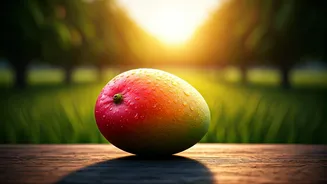
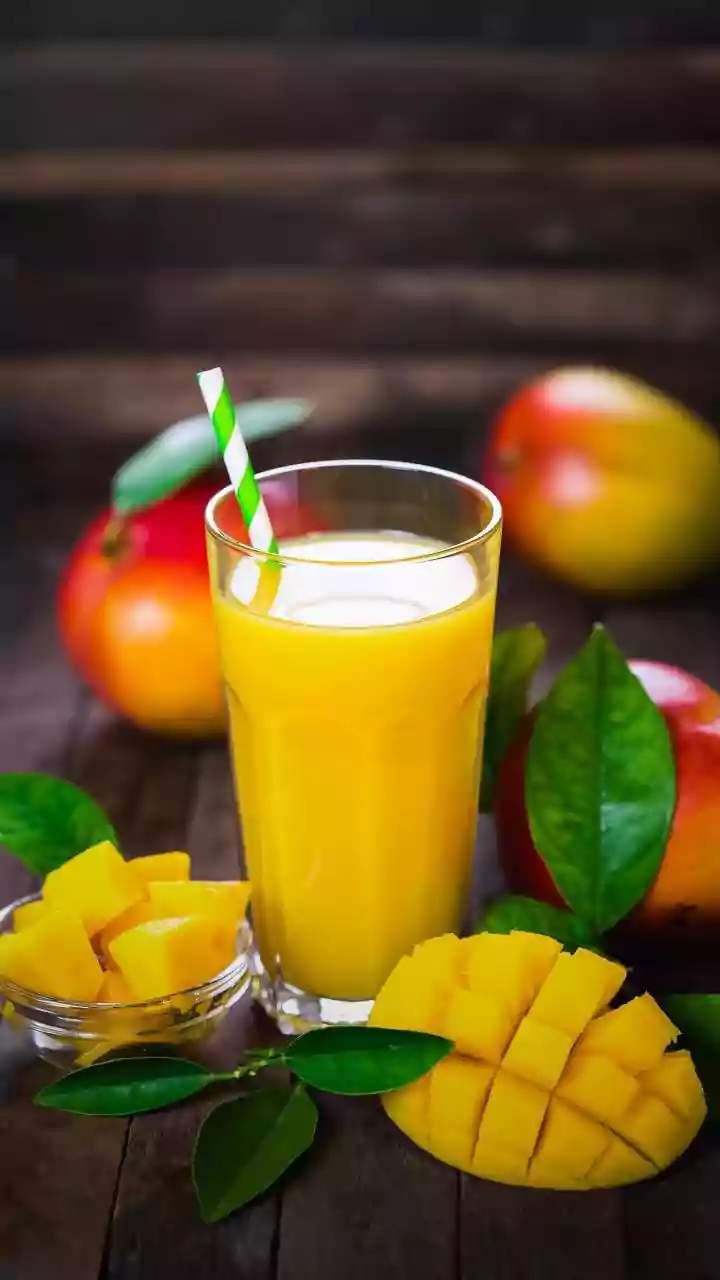
For most Americans, a mango is a mango—a sweet, slightly fibrous tropical treat that shows up in grocery stores from spring to fall. But in India, the mango is not just a fruit; it's the undisputed 'king of fruits,' an obsession woven into the fabric
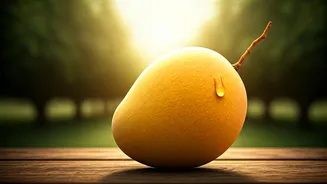
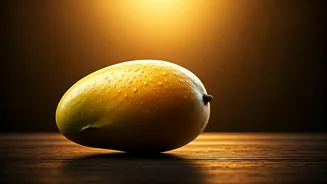
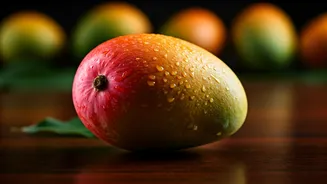
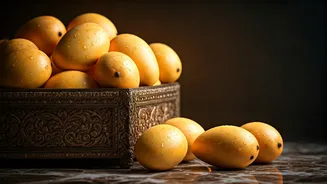
of culture, poetry, and summer itself. And the epicenter of this obsession is Lucknow, a historic city in the state of Uttar Pradesh. For centuries, its sprawling orchards, established by royalty, have produced some of the world’s most prized mango varieties. The most famous is the Dasheri, a slender, intensely fragrant mango with fiberless, honey-sweet flesh that can ruin you for all other mangoes. In Lucknow, the arrival of the Dasheri crop isn't just an agricultural event; it’s a city-wide celebration.
The Science Behind the 'Insanity'
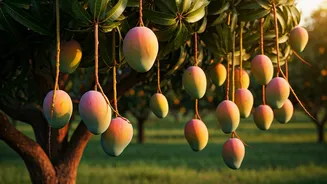
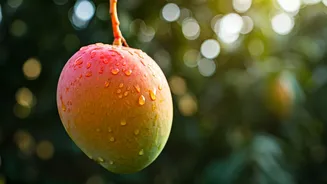
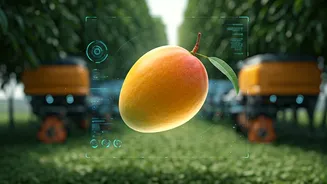
The headline's futuristic claim for 2026 isn't about a single magic bullet, but a convergence of innovations that are transforming those traditional orchards. Indian agricultural scientists, particularly at the Central Institute for Subtropical Horticulture (CISH) located right in Lucknow, are rewriting the rules of mango farming. The biggest change is a shift to high-density and ultra-high-density planting. Instead of giving trees massive amounts of space to grow wild over decades, farmers are now planting smaller, specially pruned trees much closer together. This technique, combined with precise canopy management, allows for a staggering increase in the number of trees per acre—from around 40 in a traditional orchard to upwards of 600. The result is a monumental leap in yield, making the 'insane new heights' a tangible projection based on current capabilities.
More Than Just More Mangoes
This agricultural revolution isn't just about quantity; it's about quality and variety. Scientists are developing new hybrid mangoes designed for the modern world. Imagine a mango with the exquisite taste of a Dasheri but with a longer shelf life for export, or a brighter, more appealing peel. Researchers are creating 'designer' trees that bear multiple varieties on a single trunk, allowing small-scale farmers to diversify their crops. They’re also developing mangoes that ripen at different times—some earlier, some later—to extend the tragically short mango season. This work ensures that while production soars, the genetic diversity and unique flavor profiles that make Lucknow’s mangoes legendary are preserved and even enhanced.
A Race Against a Changing Climate
These innovations are also a critical defense in a battle against a changing climate. Mango cultivation is incredibly sensitive to weather. An untimely rainstorm during flowering season or a sudden heatwave can decimate a crop. The new cultivation methods offer a surprising degree of control. Smaller, managed trees are more resilient and easier to protect. Drip irrigation systems deliver water directly to the roots, conserving resources in a region facing water stress. By breeding hardier varieties and giving farmers more tools to manage their orchards, Lucknow's agriculturalists are working to climate-proof the future of their most precious crop, ensuring its survival for generations to come.
So, Will You See These in Your Grocery Store?
This is the million-dollar question. While India is the world's largest mango producer, exporting its finest varieties to the U.S. is a complex process involving strict regulations and irradiation treatments to meet import standards. The delicate, fiberless mangoes from Lucknow don't travel as well as the sturdier Tommy Atkins or Kent varieties common in American supermarkets. However, as cultivation techniques improve and yields increase, the economic incentive to overcome these logistical hurdles grows. You may not see a Dasheri next to the avocados at Costco by 2026, but you can expect to see them appear more frequently in specialty grocers, Indian markets, and online gourmet retailers. They are a luxury worth seeking out—a taste of a fruit perfected over centuries and now being reinvented for the future.