


Why We Threw Them Out in the First Place
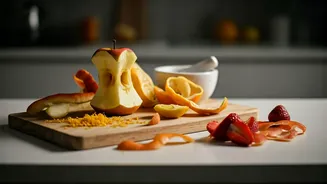
For generations, peeling fruits and vegetables was standard practice, often for good reason. It removed dirt, wax coatings, and pesticide residues. For some, it was simply a matter of texture and tradition. We were taught that the peel was the 'outside'
and the flesh was the 'inside'—the part you're meant to eat. This thinking, combined with the convenience of modern food systems, turned peels into an automatic resident of the compost bin or trash can. But as home cooks become more conscious of both their budgets and their environmental footprints, that automatic habit is being questioned. The 'root-to-stem' philosophy isn't just about saving scraps; it's about unlocking forgotten flavors and nutrients.
A Note on Preparation
Before you dive in, a quick word on safety and prep. Since you’ll be eating the peel, it's essential to wash your fruit thoroughly under running water, using a vegetable brush if you have one. If it’s within your budget, opting for organic produce is a great way to minimize your exposure to synthetic pesticides. For citrus, be sure to buy unwaxed fruit or scrub the wax coating off with hot water. A little prep work ensures your low-waste creations are as wholesome as they are delicious.
Make Candied Citrus Peels
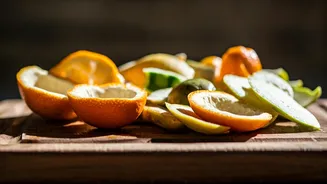
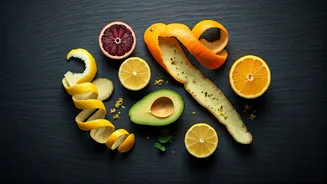
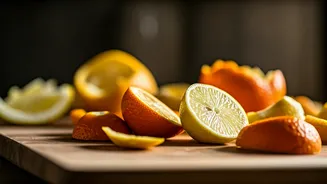
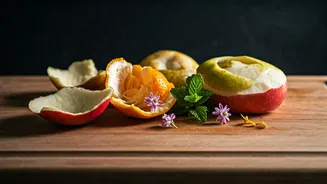
This is the gateway recipe into the world of peel cookery. The bitter pith of lemons, oranges, and grapefruits turns magically sweet and tender when blanched and then simmered in a simple syrup. After simmering, the peels are dredged in granulated sugar and left to dry. The result is a chewy, intensely flavorful candy that’s perfect for decorating cakes, adding to trail mix, or enjoying on its own. You can also dip them in melted dark chocolate for an elegant treat. It’s a classic confectioner’s trick that makes you feel like a resourceful genius.
Try Banana Peel 'Pulled Pork'
It sounds unbelievable, but it's one of the most popular vegan hacks for a reason. The peels of a couple of ripe bananas (organic are best here) have a surprisingly meaty texture when cooked. After a thorough wash, shred the peels with a fork, then toss them in a skillet with your favorite barbecue sauce, smoked paprika, garlic powder, and a little onion. Sauté until the 'strands' are tender and have soaked up all the smoky, tangy flavor. Piled high on a toasted bun with some coleslaw, it’s a shockingly convincing and utterly delicious stand-in for pulled pork.
Pickle Your Watermelon Rinds
A staple in Southern cooking, pickled watermelon rinds are a testament to generations of low-waste ingenuity. That thick, white part of the rind between the green skin and the pink flesh, which most of us discard, is perfect for pickling. Once the tough green outer layer is peeled away, the white rind is cut into cubes and brined in a mixture of vinegar, sugar, and warming spices like cinnamon, cloves, and allspice. The result is a sweet, tangy, and slightly spicy condiment that's fantastic alongside grilled meats, on a cheese board, or chopped up into a chicken salad.
Infuse Oils, Vinegars, and Spirits
Perhaps the easiest method of all is using peels as an infusion agent. Citrus peels are the most obvious choice. A long strip of lemon, lime, or orange peel dropped into a bottle of olive oil or white vinegar will impart a bright, aromatic flavor over a few days. The same goes for spirits; a strip of grapefruit peel can transform a standard bottle of gin or vodka. But don't stop there. Pineapple skins and cores, simmered with ginger and brown sugar in water, create a delicious, fermented drink called 'tepache.' Apple peels can be steeped in hot water with a cinnamon stick for a simple, comforting tea.