

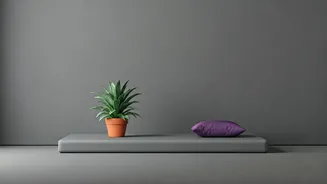

The Anatomy of a 'Look, Don't Touch' Home
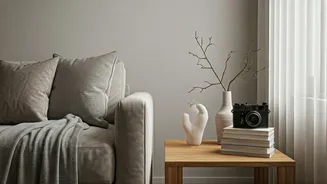
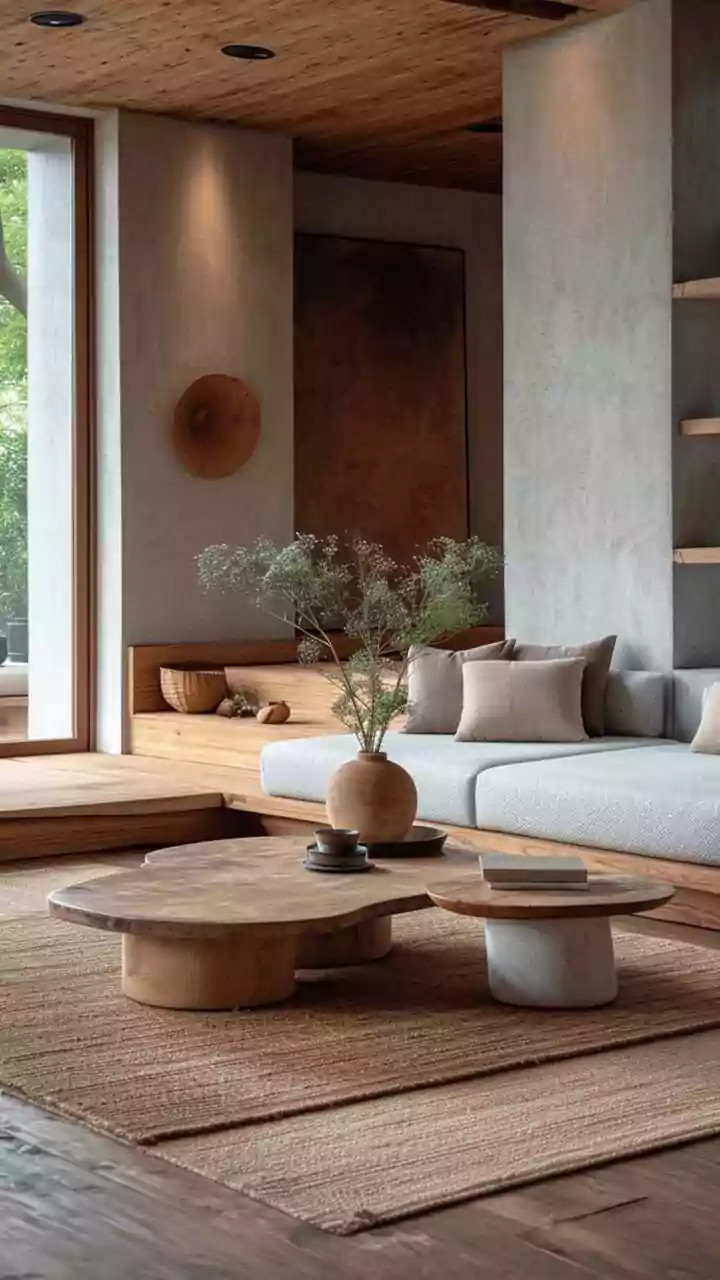
You know the look. It flooded Instagram and Pinterest feeds for the better part of a decade: the all-neutral color palette, the boucle armchair that looks more like a sculpture than a seat, the marble coffee table bearing only a single, expensive candle
and a book no one has read. This was the era of showpiece-only decor, a style engineered for the camera lens. It was less about creating a home and more about curating a brand. The goal was to project an image of serene, minimalist perfection. Every object was chosen for its aesthetic value, often at the expense of comfort, practicality, or personality. The problem? Humans, with their messy lives, kids, pets, and hobbies, were the primary inconvenience in these pristine spaces. That pristine white couch was a beautiful, expensive monument to anxiety, constantly under threat from a stray drop of coffee or a muddy paw.
The Reality Check We All Lived Through
Then, reality came knocking—loudly. When the pandemic forced millions of Americans to work, eat, sleep, and socialize within the same four walls, the fantasy of the showroom home shattered. Suddenly, that sculptural chair wasn't just uncomfortable; it was actively hostile to an eight-hour workday. The stark, empty surfaces didn't feel calming; they felt sterile and unwelcoming. We were trapped in our own perfectly curated museums, and we started to notice the cracks in the facade. The 'showpiece' home was designed for leaving, a place to return to after a busy day out in the world. When the 'out in the world' part disappeared, the home’s fundamental purpose was tested. It needed to be a sanctuary, an office, a gym, and a school, not just a backdrop for a photo. The performative stillness of the Instagram aesthetic simply couldn't stand up to the beautiful chaos of actual life being lived 24/7.
Welcome to Your 'Lived-In' Era
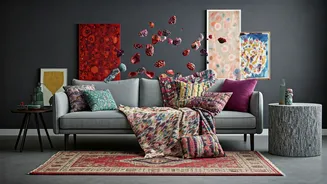
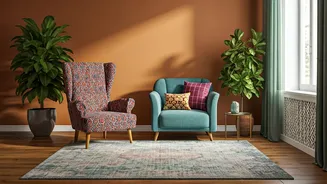
In response, a new philosophy is taking hold, one that celebrates personality over perfection. Terms like 'dopamine decor,' 'cluttercore,' and 'bookshelf wealth' are all pointing to the same idea: a home should make you feel good and reflect who you are. Dopamine decor encourages using bright, joyful colors that spark happiness, a direct rebellion against the beige-and-white tyranny. The viral 'bookshelf wealth' trend isn't about owning expensive first editions; it’s about having shelves filled with books you’ve actually read, art you love, and mementos from your travels. It’s a quiet status symbol that telegraphs a rich inner life, not just a healthy bank account. This new approach champions authenticity, where a stack of magazines, a half-finished mug of tea, and a well-loved, slightly-worn sofa are not signs of mess, but signs of life.
Prioritizing Function, Finding Freedom
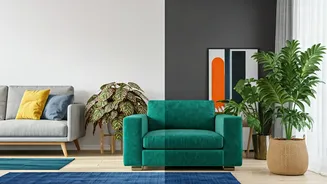
Ultimately, this shift is about reclaiming our homes for ourselves, not for an imaginary online audience. It means prioritizing function and comfort. Instead of a delicate side table, people are choosing sturdy, multi-functional pieces with storage. Instead of fabrics that require a hazmat suit to clean, they're opting for durable, washable materials that can withstand daily life. The new design questions aren't just 'Does this look good?' but 'Can I comfortably binge a TV show on this couch?', 'Where will I put my laptop when I work from the dining table?', and 'Will I cry if a guest spills red wine on this rug?' This isn’t a rejection of beauty, but a redefinition of it. A beautiful home is now one that works hard for its inhabitants, a space that supports and nurtures them, rather than one that demands constant upkeep and cautious tiptoeing.