






Defining the 'Restore and Reclaim' Ethos
So, what exactly does a 'Restore and Reclaim' festival look like? Forget the frantic, FOMO-driven energy of mega-festivals past. This emerging trend prioritizes a different kind of experience, one built on intention rather than intensity. It’s less about
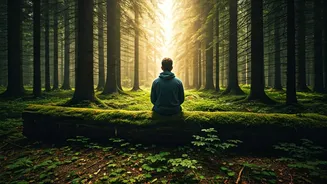
seeing every single band and more about reconnecting with yourself, your community, and the natural world. Core tenets include mindfulness workshops, sound baths, guided nature walks, and farm-to-table communal dining. The music is still central, but it's often curated to complement the environment rather than dominate it. The goal isn't just escapism; it's a genuine reset. It's about reclaiming your time from digital noise and restoring a sense of inner balance that the daily grind relentlessly erodes.
From Raves to Retreats
This shift is visible across the festival spectrum. While dedicated wellness events like Wanderlust have championed this model for years, the trend is now bleeding into the mainstream. You can see its DNA in the rise of smaller, boutique festivals like Elements in Pennsylvania, which blends electronic music with large-scale art, yoga, and workshops on a sprawling, forested campground. It's a world away from a sun-baked asphalt parking lot. Even legacy events are taking note. Major festivals that once prided themselves on sensory overload are now carving out dedicated spaces for sobriety, mental health support, and quiet contemplation. These aren't just token gestures; they are a direct response to a new generation of festival-goers who are demanding more than just a party. They want an experience that nourishes them instead of just draining their social and physical batteries.
A Reaction to Digital Burnout
The question is, why now? The 'Restore and Reclaim' movement is a direct antidote to the pressures of modern life. It's a cultural pushback against the always-on, terminally online existence that accelerated during the pandemic. After years of forced isolation followed by a chaotic re-entry into social life, the idea of being packed shoulder-to-shoulder with 100,000 strangers lost some of its appeal. We're collectively tired. We’re burned out from performative social media, doomscrolling, and the relentless pace of a hyper-digitized world. Festivals, in this context, are becoming a rare opportunity to truly unplug. They offer a tangible, analog experience in a world dominated by the intangible. The desire isn't just to see live music; it's to feel connected to something real, to stand in a field with other humans and remember what it feels like to simply be present.
More Than Just Good Marketing?
It’s easy to be cynical and dismiss this as a clever marketing ploy—'wellness' as the new 'VIP.' And to be sure, the aesthetic of restoration sells. A beautifully curated Instagram post of a sunrise yoga session is potent advertising. However, dismissing the entire trend as a gimmick misses the point. The demand is genuine. Organizers are responding to a real cultural shift in values, particularly among Millennial and Gen Z attendees who prioritize mental health, sustainability, and authentic experiences. They are willing to pay a premium not for exclusivity, but for intention. A festival that pollutes its environment, exhausts its attendees, and offers no space for decompression feels increasingly out of step with the times. The 'Restore and Reclaim' theme isn't just a tagline; it’s a reflection of a deeper desire for gatherings that leave you feeling better, not worse.