


The Search for Imperfection
A five-star hotel promises flawlessness. The concierge anticipates your needs, the bed is made with military precision, and the temperature is algorithmically perfect. But this curated perfection can create a subtle pressure. It demands you be the kind
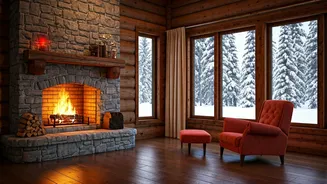
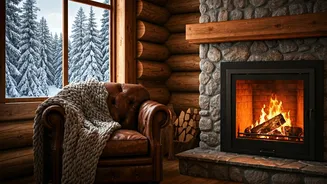
of person who belongs in such a setting—polished, on schedule, and always presentable. A vacation can quickly feel like another performance. A cabin in the woods offers the opposite: the freedom of imperfection. Here, a stray pine needle on the floor is a souvenir, not a housekeeping failure. The point isn’t to observe a perfect environment but to participate in a real one. You make your own coffee, you struggle to light the fire, you track in a bit of mud. These small, tactile efforts ground you in the present moment. Instead of consuming a pre-packaged experience, you’re creating your own, mess and all. It’s a liberation from the tyranny of the perfect, Instagram-ready moment.
The Luxury of Disconnection
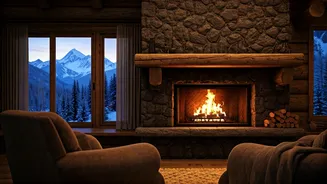
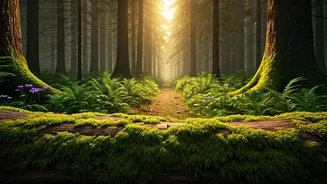
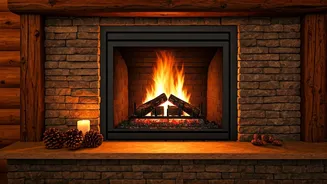
The greatest amenity a forest trail offers is its distinct lack of Wi-Fi. While a hotel might boast about its high-speed internet, the cabin’s value proposition is the glorious silence of a dead zone. This isn’t a flaw; it’s the central feature. Our brains, saturated by a constant stream of notifications, emails, and social media feeds, are in a state of perpetual, low-grade agitation. The 'always-on' culture has followed us from the office to our homes and, yes, even to our vacations. Escaping to a place where digital tethers are naturally severed is no longer just a preference; it’s a form of mental health hygiene. It forces you to find entertainment in a deck of cards, conversation with your companions, or the hypnotic dance of flames in a hearth. It’s in this quiet that your mind finally unclenches. The background hum of digital anxiety fades, replaced by the sound of wind in the trees. This profound sense of peace is a luxury no thread count can replicate.
Privacy You Can Feel
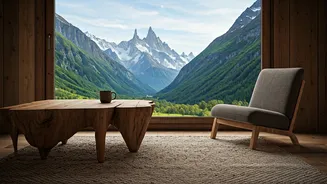
Hotels are, by nature, public spaces. You share walls, hallways, elevators, and pools. Even in your room, you are one of hundreds of guests, a temporary occupant in a transient space. This constant, low-level awareness of others means you’re never truly off-stage. A secluded cabin provides a different kind of privacy—not just visual, but psychological. It’s the freedom to wear your pajamas until noon, to sing badly while you cook, to sit on the porch in total silence without a stranger walking by. This deep solitude allows for a different quality of connection with whomever you’re with. With no competing distractions or social protocols, conversations can go deeper and shared silences become comfortable. The space is truly yours, creating a temporary home that fosters presence and intimacy.
Redefining the Good Life
Ultimately, the shift from polished hotels to rustic hearths reflects a broader re-evaluation of what 'luxury' even means. For a long time, it was defined by material opulence: marble lobbies, fine dining, and attentive service. But for a generation drowning in complexity and starved for authenticity, luxury is being redefined. Today, the ultimate luxuries are often intangible: time, autonomy, quiet, and a connection to the natural world. Choosing a cabin isn't about roughing it or being anti-comfort. It’s about choosing a different kind of comfort—one that’s soul-deep. It’s the warmth of a fire you built yourself. It’s the satisfaction of a long hike that leaves your muscles tired but your mind clear. It’s swapping the manufactured experience for something elemental and real. The fancy hotel offers a beautiful escape from your life, but the cabin offers a chance to reconnect with it.