

Keep Your Kitchen Cool
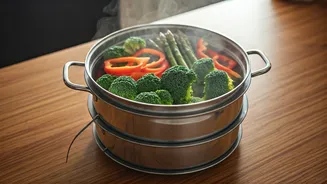
Let’s start with the most immediate, tangible benefit of steaming in July: it won’t turn your kitchen into a sauna. Unlike roasting, baking, or even prolonged stovetop searing, steaming is a contained, low-heat process. Whether you use a bamboo steamer
set over a wok, a stainless steel insert in a pot, or a dedicated electric steamer, the heat is localized. This means you can cook a full, healthy meal of fish and vegetables without raising the ambient temperature of your home. In an era of high energy costs and sweltering heat waves, keeping the oven off is both an economic and a personal comfort decision. Steaming allows you to cook from scratch without paying the price in sweat or a higher electricity bill.
Maximize Summer's Natural Flavor
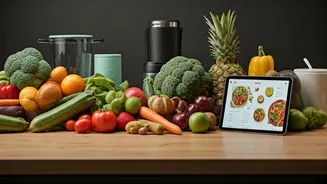
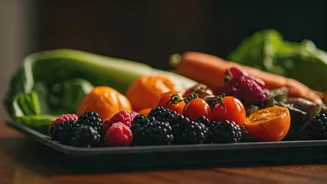
Summer produce is a gift. Sweet corn, vibrant green beans, tender zucchini, and delicate snap peas are at their absolute peak. Drowning them in heavy sauces or charring them beyond recognition can mask their subtle, sun-ripened flavors. Steaming, on the other hand, is a gentle cooking method that enhances a food’s natural taste and texture. Because it cooks with moist heat, it doesn’t dehydrate vegetables, leaving them crisp-tender and juicy. A plate of steamed asparagus drizzled with a little lemon juice and olive oil tastes more like itself than asparagus prepared any other way. The same goes for delicate proteins like fish and shellfish. Steaming cod or shrimp preserves their moist texture and subtle sweetness, creating a clean canvas for a light sauce or a sprinkle of fresh herbs.
Lock In Essential Nutrients
While flavor and comfort are key, the health benefits of steaming are what truly make it a “smart” choice. Many cooking methods, especially boiling, cause water-soluble vitamins like Vitamin C and the B-complex vitamins to leach out into the cooking water, which then gets poured down the drain. Because steaming cooks food with vapor rather than submerging it in water, it results in significantly higher nutrient retention. Studies have shown that steaming broccoli, for instance, retains more of its glucosinolates—beneficial plant compounds—than boiling or stir-frying. By choosing to steam, you’re not just eating vegetables; you’re getting more of the vitamins and minerals that make them so good for you in the first place.
Lighten Up Without The Effort
Summer is a time when many of us naturally gravitate toward lighter meals. Steaming is an inherently low-fat, low-calorie cooking method. It requires no oil, butter, or other fats to cook the food, which immediately reduces the caloric density of your meal. This isn’t about restrictive dieting; it’s about creating food that leaves you feeling energized and refreshed, not weighed down and lethargic in the afternoon heat. A steamed chicken breast with a side of mixed vegetables is satisfying and protein-packed without the heaviness of its fried or pan-seared counterparts. This simplicity also makes cleanup a breeze—often, all you need to wash is the steamer basket itself.
Beyond Broccoli: What You Can Steam
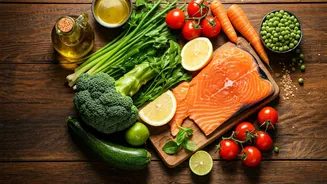
If your only mental image of steamed food is a pile of plain broccoli, it’s time to expand your horizons. The possibilities are nearly endless. You can steam delicate fish fillets (salmon, cod, tilapia) in parchment paper with lemon and herbs for an elegant main course. Whole artichokes become tender and succulent, perfect for dipping. New potatoes steam up creamy and quick. You can even make entire meals-in-one, like steamed chicken and vegetable dumplings, or a colorful medley of shrimp, bell peppers, and snap peas. Don’t forget dessert, either: steamed pears with a sprinkle of cinnamon make a simple, sophisticated, and healthy end to a summer meal.