


First Off, What Is a Monsoon?
Let's clear this up: a monsoon isn't just a big rainstorm. It's a seasonal shift in wind patterns that brings a period of intense, often daily, rainfall to a region. For travelers, this has traditionally been the “off-season,” a time to avoid. But thinking
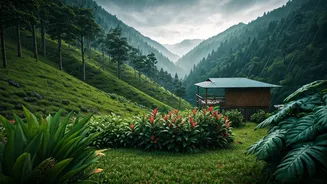
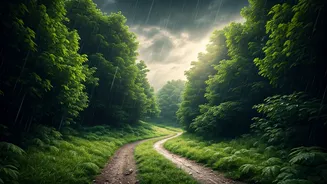
of it as the “green season” is a better framing. After months of dry heat, the monsoon rains trigger a dramatic transformation. Dusty landscapes explode into vibrant green, waterfalls roar back to life, and the air feels clean and charged. From the deserts of the American Southwest, which experience a summer monsoon from July to September, to the tropical climates of Southeast Asia, this weather pattern defines the rhythm of life—and it can define an unforgettable trip.
The Case For: Fewer Crowds & Greener Vistas
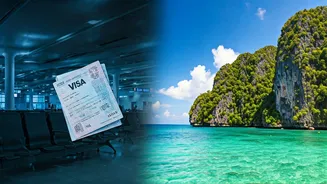
So, why would you intentionally fly into the rain? The upsides are surprisingly compelling. First and foremost: crowds. While everyone else is fighting for a patch of sand on a sun-drenched beach, you could be enjoying near-solitude at iconic temples in Thailand or serene hiking trails in Costa Rica. Fewer tourists mean a more authentic experience and better photos without a hundred selfie sticks in the background.Then there's the cost. Flights and accommodations are often significantly cheaper during the low season. That five-star resort that felt out of reach in December might suddenly fit your budget in July. Beyond the practical perks, the aesthetic rewards are immense. Imagine the Grand Canyon with storm clouds gathering on the horizon, or the rice paddies of Vietnam in a shade of electric green you’ll never see in the dry season. The world simply looks more vivid and dramatic.
The Reality Check: Humidity, Mud, and Mosquitoes
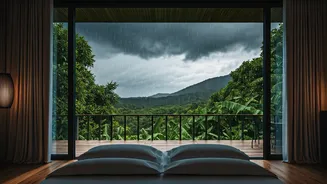
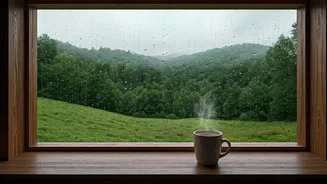
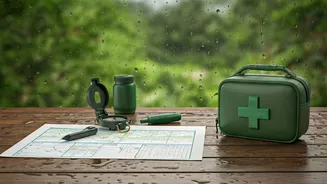
Of course, it’s not all poetic landscapes and budget-friendly hotels. Traveling during a monsoon requires a flexible and prepared mindset. The biggest challenge is, well, the rain. It might be a predictable one-hour downpour every afternoon or a persistent drizzle that lasts for days. This can lead to canceled boat tours, washed-out roads in rural areas, and the general inconvenience of being damp.Humidity is another factor; it's often not just wet, but sticky. And with water comes life—including mosquitoes, so a good insect repellent is non-negotiable. You’ll need to pack differently, favoring quick-dry fabrics, waterproof bags for your electronics, and sturdy, water-resistant shoes over flimsy flip-flops. If your vacation ideal is uninterrupted sunshine and predictable logistics, this might not be the trip for you. But if you see a sudden rainstorm as a chance to duck into a local cafe for an hour, you're on the right track.
Where to Embrace the Rain
Ready to take the plunge? Here are a few destinations that shine during their respective monsoon seasons:
- **The American Southwest (July-September):** The North American Monsoon brings spectacular afternoon thunderstorms to Arizona and New Mexico. The desert comes alive with blooming flowers, and the photography opportunities—with dramatic clouds and lightning—are second to none. It’s a chance to see places like Sedona and Santa Fe in their most dynamic state.
- **Thailand (June-October):** The north, particularly around Chiang Mai, is stunningly green during the monsoon. While the southern islands can be risky, the northern regions offer misty mountains, full-flowing waterfalls, and a cooler respite from the oppressive heat of the hot season.
- **Costa Rica (May-November):** Known as the “green season,” this is when the country’s famed rainforests are at their most lush and wildlife is incredibly active. Expect sunny mornings perfect for hiking and rainy afternoons ideal for a nap in a hammock or a visit to a coffee plantation.