






The Science of the Slump
That sleepy, lethargic state after a big meal has a scientific name: postprandial somnolence. While researchers are still exploring all the factors, the primary culprit is often a meal high in refined carbohydrates and fats. When you eat a large portion
of pasta, white bread, or sugary foods, your body releases a surge of insulin to manage the influx of sugar into your bloodstream. This insulin spike can trigger a chain reaction. It helps an amino acid called tryptophan cross the blood-brain barrier more easily. Inside the brain, tryptophan is converted into serotonin, a neurotransmitter that promotes relaxation and sleepiness. In short, your heavy lunch is basically sending your brain a direct signal to power down. Large, fatty meals also take a lot of energy to digest, diverting blood flow from your brain to your stomach and leaving you feeling mentally foggy.
Why Veggies Are the Antidote
This is where a veggie-heavy plate becomes your secret weapon. Unlike simple carbs, vegetables are packed with fiber. Fiber slows down digestion and the absorption of sugar into the bloodstream. This prevents the dramatic insulin spike that kicks off the sleepiness cycle. Instead of a rapid surge and crash, you get a slow, steady release of energy that keeps you feeling alert and stable for hours. Furthermore, vegetables are high in water and nutrients but low in calories, meaning you can eat a large, satisfying volume of food without overburdening your digestive system. Think of it as fueling your body with high-quality, slow-burn energy instead of cheap, fast-burning fuel that leaves you sputtering.
How to Build Your Anti-Coma Plate
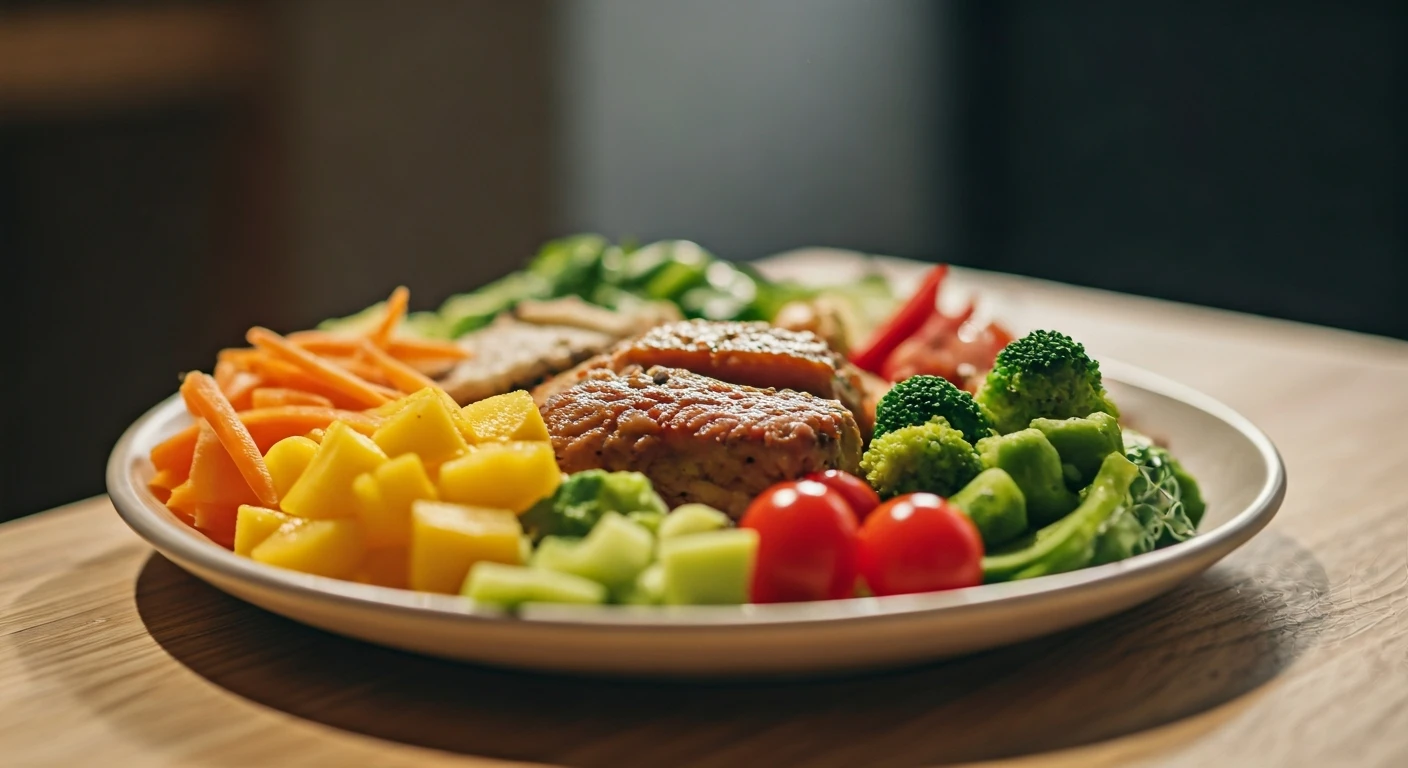
The easiest way to start is by rethinking your plate’s geography. Instead of making meat or carbs the star of the show, give that role to vegetables. A simple and effective model is the 50/25/25 rule. Aim to fill half your plate with non-starchy vegetables. This can be anything from a large, leafy green salad to a heap of roasted broccoli, bell peppers, and zucchini. They provide volume, fiber, and micronutrients. The next quarter of your plate should be a source of lean protein—think grilled chicken, fish, tofu, beans, or lentils. Protein is crucial for satiety and helps further stabilize blood sugar. The final quarter is for complex carbohydrates: quinoa, brown rice, sweet potatoes, or whole-wheat pasta. These provide sustained energy without the crash associated with their refined counterparts.
Simple Swaps for Big Energy
You don’t have to completely overhaul your diet overnight. Small, strategic swaps can make a huge difference in your daily energy levels. - Instead of a classic sandwich on white bread, try an open-faced sandwich on one slice of whole-grain toast piled high with avocado, tomato, and greens. - If you love pasta, reduce the noodle portion by a third and bulk up the dish with sautéed mushrooms, spinach, and cherry tomatoes. - Making tacos? Swap one of the tortillas for a large lettuce cup and load up on fajita-style peppers and onions. - Instead of a side of fries, opt for a side salad with a light vinaigrette or a cup of vegetable soup. These simple shifts add fiber and nutrients while reducing the refined-carb load that triggers fatigue.
Beyond the Plate: Hydration and Pacing
What you drink—and how you eat—matters, too. Dehydration can often be mistaken for fatigue, so be sure to drink plenty of water throughout the day, especially with your meals. Sometimes the food coma isn’t just about what you ate, but how much and how fast. Eating a huge meal quickly overwhelms your system. Try to eat more slowly, savoring your food and giving your brain time to register that you’re full. This can prevent overeating and lessen the digestive burden on your body. If possible, a short 10-minute walk after lunch can also work wonders by aiding digestion and boosting circulation, helping to stave off any lingering sluggishness.