
The Tropical Paradise Paradox
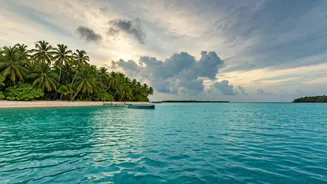
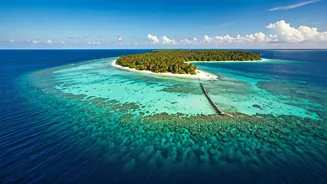
First, let's acknowledge the appeal. Lakshadweep, a chain of 36 atolls and coral reefs in the Laccadive Sea, is the definition of a remote tropical paradise. It offers some of the best snorkeling and scuba diving in South Asia, with pristine coral gardens
and abundant marine life. Unlike more commercialized destinations, it has a quiet, untouched feel that promises true escape. It’s this vision of serene, sun-drenched bliss that has captured the imagination of travelers worldwide. The problem is that this vision is only available for about half the year. For the other half, the islands are a very different place.
The Monsoon: Not Just a Little Rain
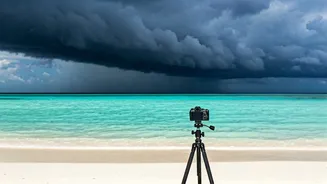
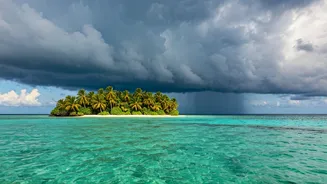
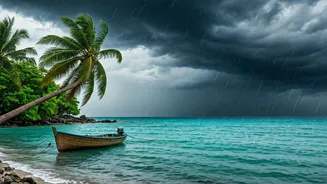
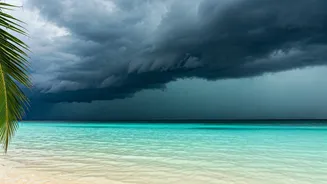
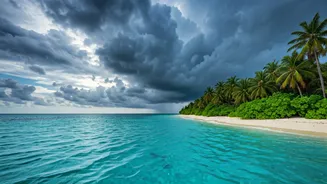
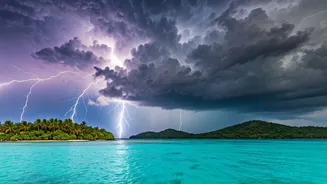
When people in the U.S. think of a “rainy season,” they might picture afternoon thunderstorms that clear up in an hour. This is not the reality of the Southwest Monsoon in Lakshadweep, which typically runs from late May through September. This isn't a gentle pitter-patter; it's a powerful, relentless weather system that governs all aspects of life. We're talking torrential downpours that can last for days, strong gale-force winds, and extremely high humidity. The sea, which looks so inviting in photos, transforms into a turbulent, churning expanse of gray. This isn't just an inconvenience; it effectively shuts down the very activities that draw tourists in the first place.
How the Monsoon Halts All Travel
The single biggest reality check for prospective travelers is the impact on logistics. Lakshadweep is not a single landmass but a scattered archipelago. Travel between islands like Kavaratti, Agatti, Bangaram, and Kadmat relies on boats and ferries. During the monsoon, the seas become dangerously rough, and inter-island ferry services are suspended almost entirely. You could find yourself stuck on one island for the duration of your trip, if you can even get there. Flights to the main airstrip on Agatti Island are frequently delayed, diverted, or canceled due to high winds and poor visibility. Even the ships from the mainland port of Kochi, a primary mode of transport for locals and supplies, operate on a severely reduced and unreliable schedule. Put simply, the monsoon makes island hopping impossible and even reaching the archipelago a gamble.
Resorts Close and Activities Cease
Because of these logistical and weather-related challenges, the entire tourist infrastructure effectively goes into hibernation. The majority of resorts, guesthouses, and especially the famous tented camps on islands like Bangaram, close their doors to tourists for the monsoon season. There's no business to be had. All water sports centers, including diving and snorkeling operators, cease operations. The visibility in the water plummets, and the sea conditions are unsafe for any recreational activity. Attempting to visit during this period isn't a “quiet off-season getaway”; it’s arriving at a destination that is, for all intents and purposes, closed to visitors.
The Perfect Window: When to Actually Go
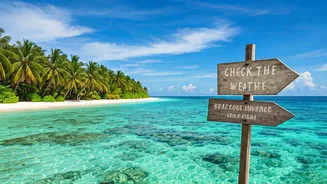
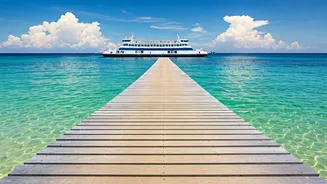
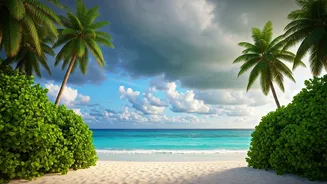
So, when can you experience the paradise seen in the pictures? The prime tourist season for Lakshadweep is clear and well-defined: from October to mid-May. The sweet spot, with the calmest seas and clearest skies, is generally considered to be from December to April. During these months, the monsoons have passed, the seas are placid and brilliantly blue, and the weather is warm, dry, and sunny. This is the time for diving, exploring coral reefs, enjoying the beaches, and moving freely between the islands. While the a less-intense Northeast Monsoon can bring some rain around October and November, it's generally short-lived and doesn't disrupt travel in the same way. Booking your trip within this dry season window is the single most important decision you will make.