





Beyond the Paneer Predicament
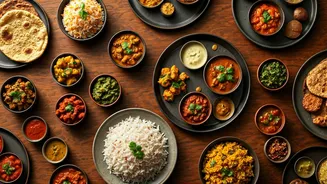
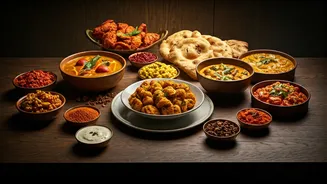
For decades, vegetarian Indian food in America existed in a comfortable, if slightly repetitive, rhythm. You knew what to expect: a velvety paneer makhani, a creamy malai kofta, a hearty chana masala. These dishes are classics for a reason—they’re delicious.
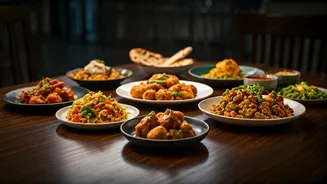
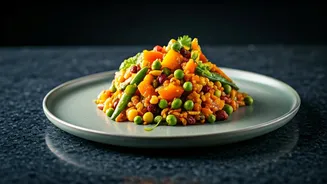
But they also became a crutch, representing a safe, Anglicized version of a subcontinent’s vast and varied meat-free traditions. Plant-based dining was an option, not the star. That era is definitively over. Today’s most exciting Indian restaurants are putting plants at the center of the plate, not as an accommodation but as a declaration. The new menus are ditching the heavy creams and predictable proteins for dishes that are lighter, brighter, and infused with a confidence that feels entirely new. This isn't your parents' all-you-can-eat lunch buffet; this is culinary art with an attitude.
Flavor, Fire, and Fermentation
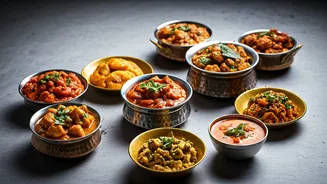
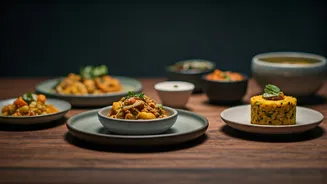
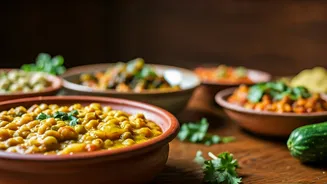
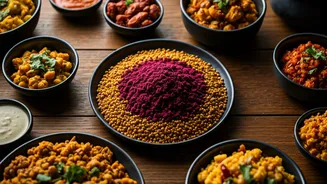
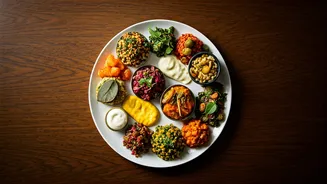
So what does this “swagger” taste like? It tastes like fire-roasted purple yams drizzled with fermented mustard oil, like banana blossoms cooked into a complex, savory curry that mimics pulled pork, or like crispy-fried okra served with a tangy yogurt dip you’ll want to order by the bowl. Chefs are employing techniques once reserved for high-end modernist kitchens—smoking, fermenting, and artistic plating—and applying them to ancient recipes and indigenous ingredients. Instead of relying on heavy dairy, they’re exploring the creaminess of cashews and coconut, the tang of tamarind, and the umami punch of fermented rice and lentils. Take the humble dosa. It’s no longer just a simple crepe; it might be made with heirloom grains, stuffed with spiced jackfruit, and served alongside a flight of inventive chutneys, from ghost pepper and tomato to mint and cilantro pesto. It’s a full-sensory experience that’s both rooted in tradition and thrillingly contemporary.
The Regional Revolution
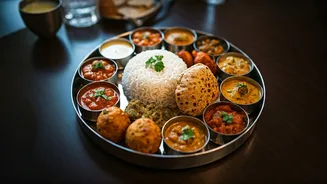
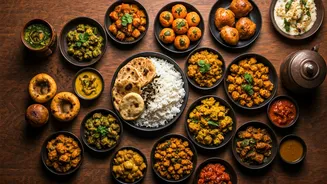
Much of this innovation comes from a deep dive into India’s regional diversity. The subcontinent is not a monolith, and its cuisines are hyper-local. The menus gaining acclaim across the U.S. are moving past the familiar Punjabi flavors that have long dominated the American scene. Instead, they’re championing the food of Kerala, with its coconut-rich stews; of Bengal, with its pungent mustard-based dishes; and of Gujarat, with its masterful balance of sweet, sour, and spicy vegetarian cooking. Many of these regional traditions are naturally plant-based, developed over centuries out of agricultural reality and religious principle. Chefs and restaurateurs, often second-generation Indian Americans, are treating these regional recipes not as historical artifacts but as a living playbook. They’re traveling back to their ancestral villages, learning from grandparents, and bringing back forgotten vegetables and spice blends to create menus that are both profoundly authentic and perfectly suited for the modern American palate.
A New Kind of Diner
This plant-forward renaissance isn’t happening in a vacuum. It’s meeting a dining public that is more curious, health-conscious, and environmentally aware than ever before. Today’s diners aren’t just looking for “vegetarian options”; they’re actively seeking out plant-based meals that don’t compromise on flavor or creativity. The rise of veganism and flexitarianism has created a massive audience for exactly what these Indian chefs are offering: complex, satisfying food that just happens to be made from vegetables. This movement also subverts the old, tired notion that meat is the centerpiece of a “serious” meal. Restaurants like RASA in New York or the growing number of modern South Indian spots are proving that a meal built around gourds, lentils, and expertly spiced greens can be just as celebratory and memorable as one centered on lamb or chicken. They’re not just feeding vegetarians; they’re converting omnivores, one brilliant dish at a time.