








The Backlash Against 'Loud' Travel
For years, the ideal vacation was loud—not just in decibels, but in visual and social noise. Think Las Vegas weekends, shoulder-to-shoulder crowds at the Eiffel Tower, or music festivals that demand constant energy. This was the pinnacle of the “experience
economy,” where the goal was to collect as many shareable moments as possible. The pressure was immense: see everything, do everything, and post everything to prove it happened. But a subtle fatigue has set in. Travelers are reporting burnout from their own vacations, returning home more tired than when they left. The endless planning, the fight for restaurant reservations, and the performance of having a perfect time for social media have started to feel less like a break and more like a second job. This exhaustion is fueling a quiet rebellion against the very idea of a jam-packed, high-octane getaway.
Why We're Craving the Quiet
The shift toward quiet travel isn’t happening in a vacuum. It’s a direct response to our hyper-connected, over-stimulated daily lives. After years of digital saturation, remote work blurring the lines between office and home, and a constant barrage of notifications, the last thing many people want is a vacation that mirrors that same chaotic energy. Instead of seeking stimulation, travelers are seeking its opposite: stillness. Industry experts point to a rising interest in “under-tourism,” where people deliberately choose less-famous, less-crowded destinations. It's about trading the checklist of must-see sights for the unscripted joy of discovering a local cafe, walking through a silent forest, or simply reading a book without feeling guilty for “wasting” vacation time. This isn't about being antisocial; it's about being intentional with our energy and attention.
What a 'Quiet Trip' Actually Looks Like
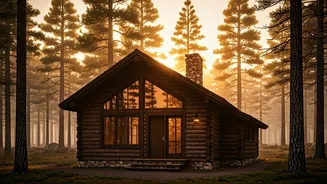
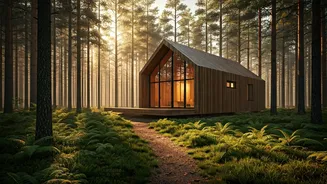
So, what defines a “quiet trip”? It’s less about a specific location and more about an ethos. It could mean swapping a trip to Rome for a farmhouse stay in Italy’s Umbria region. It might be choosing a cabin in the Blue Ridge Mountains over a bustling Florida beach. Key elements often include a focus on nature, a slower pace, and a conscious digital detox. Some travelers are embracing “sleep tourism,” booking hotels specifically for their high-quality beds, blackout curtains, and noise-proofed rooms with the sole goal of catching up on rest. Others are drawn to destinations with little to no cell service, forcing them to disconnect and be present. The common thread is subtraction. Instead of asking, “How much can I cram in?” the new question is, “What can I let go of?” The goal isn’t to accumulate experiences, but to achieve a state of genuine peace.
Don't Mistake Quiet for Boring
There’s a natural misconception that quiet travel is, well, boring. But advocates for the trend argue it’s the exact opposite. A “loud” vacation can often be a passive experience—you’re herded through crowds, shuttled from one tourist trap to the next, and consuming a pre-packaged version of a place. A quiet trip, by contrast, demands active presence. It’s about savoring a meal, noticing the details of a landscape, or having an uninterrupted conversation. It replaces the thrill of spectacle with the deeper satisfaction of connection—to your surroundings, to your travel partners, and, most importantly, to yourself. It’s a move away from performative leisure and toward authentic restoration. The ultimate souvenir isn’t a photo of you in front of a landmark; it’s the feeling of returning home genuinely refreshed and mentally clear.