





First, What’s a ‘Hill Station’?
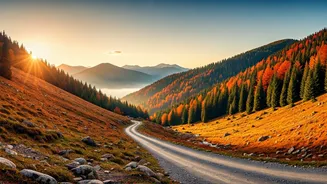
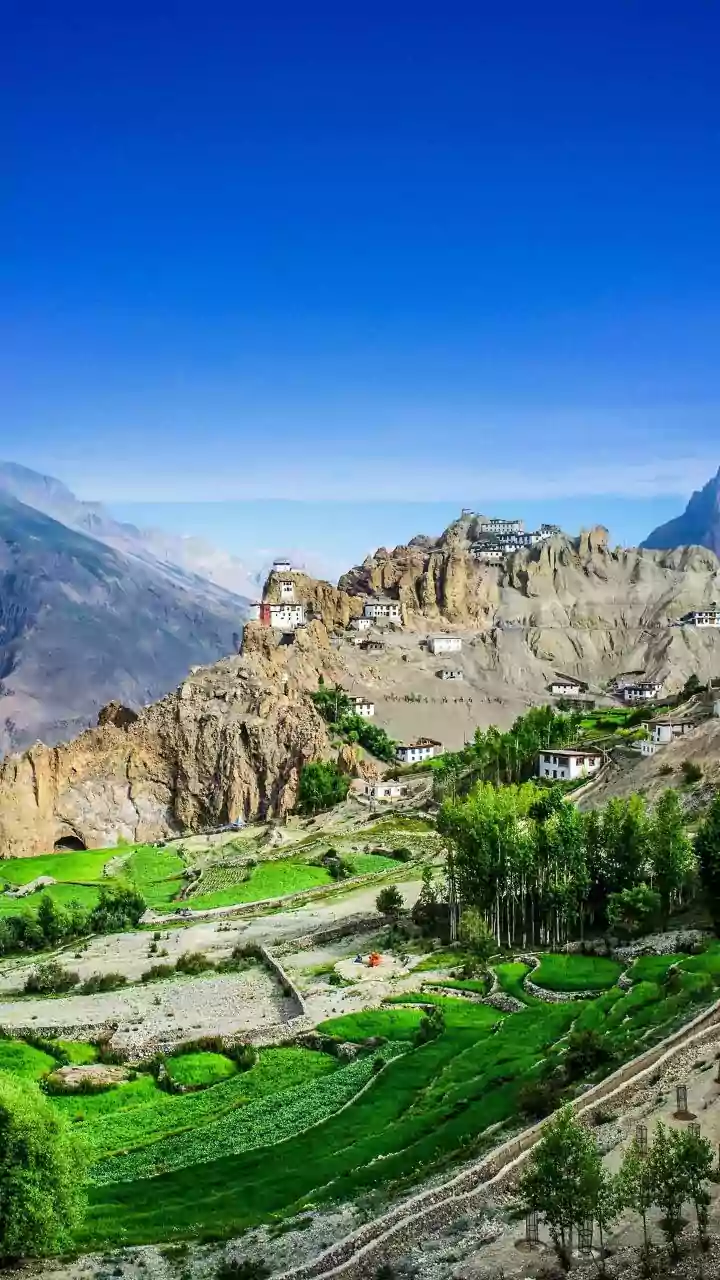
Let’s decode the lingo. The term “hill station” might not be in the average American’s vocabulary, but the concept is instantly familiar. Originating in colonial Asia, hill stations were towns in the mountains established by European colonists to escape
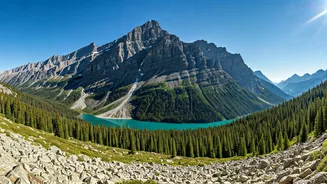
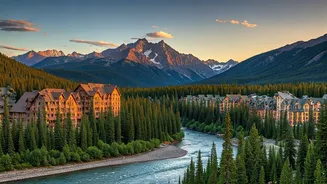
the sweltering summer heat of the plains. Think Shimla in India or the Cameron Highlands in Malaysia. They were outposts of cool air, pine scents, and leisurely pursuits. In the modern U.S. context, our “hill stations” are the Aspens, Jackson Holes, Park Citys, and Stowe-style towns of the world. For decades, we’ve associated these places primarily with two distinct seasons: intense, expert-level skiing in the winter and hardcore hiking or mountain biking in the summer. They were destinations for the fit and the focused. But a subtle, yet significant, transformation is underway. These high-altitude havens are shedding their niche, athletic-only reputation and embracing a new identity as year-round, all-ages family playgrounds.
The All-Ages Adventure Menu
The new “family-trip energy” isn’t about forcing Grandma to ski a black diamond or asking a toddler to complete a 10-mile trek. It’s about diversification. Mountain resorts have wisely expanded their offerings beyond the slopes and rugged trails to cater to a three-generation crowd with varying levels of mobility and interest. This is the magic of the modern hill station vacation. The day’s itinerary can be a choose-your-own-adventure. Teens might go zip-lining or tackle a climbing wall while parents enjoy a craft brewery tour. Grandparents can take a scenic gondola ride to a mountain-top restaurant with stunning vistas, and the little ones can splash around in a hotel pool or explore a gentle, paved nature path. The evening reunion over a communal dinner isn’t just a meal; it’s a debriefing session where everyone shares a different, yet equally valid, version of a great day had in the same beautiful place.
A Post-Pandemic Pull to Higher Ground
This shift didn’t happen in a vacuum. The pandemic accelerated our collective desire for open spaces, fresh air, and meaningful reconnection. After months of being cooped up and separated, the idea of gathering the whole clan—grandparents, aunts, uncles, cousins—for a shared experience gained powerful emotional currency. Mountain towns offered the perfect backdrop: a domestic destination that felt both safe and expansive. Compared to the dense crowds of a theme park or the logistical puzzle of an international trip, a drive-to mountain destination felt manageable and restorative. It tapped into a newfound appreciation for America’s own backyard and the simple pleasure of being together in nature. This wasn’t just a vacation; for many, it was a form of collective healing and a way to make up for lost time. The appeal has stuck, cementing these towns as a reliable choice for families looking to create memories without the stress of airport terminals or packed city streets.
Embracing the Minivan-and-Fleece Vibe
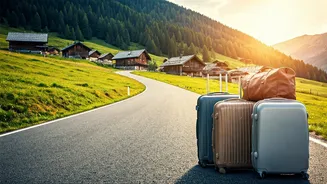
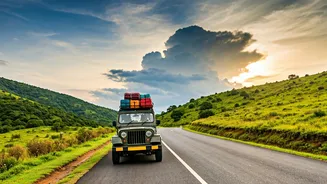
“Full family-trip energy” is also a vibe, an aesthetic. It’s the oversized SUV packed to the brim with snacks, hiking boots of all sizes, and at least one forgotten phone charger. It’s the unironic embrace of matching family fleeces or puffy vests for the group photo. It’s about renting a sprawling cabin or a set of adjoining condos where the chaos of family life can play out comfortably. This type of trip prioritizes shared experience over curated perfection. It accepts that someone might be grumpy in the morning, that plans might change due to weather, and that the most memorable moment might not be the expensive activity but the impromptu board game night. It’s a move away from the performance of a perfect Instagram vacation and toward the reality of a loud, loving, and slightly messy family gathering. The mountain setting simply provides a grander, more inspiring living room for it all to unfold.