


The Venice of the East
They call it the “Venice of the East,” and while the comparison might seem like a travel cliché, it’s one that Udaipur earns honestly. Unlike its Italian counterpart, however, this is a city built not on natural lagoons but on a series of magnificent,
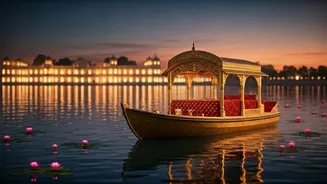
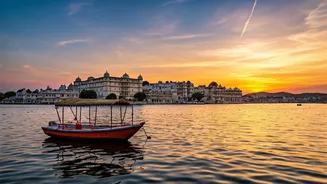
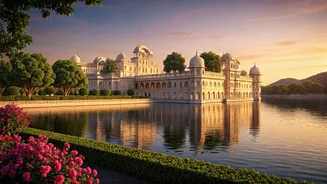
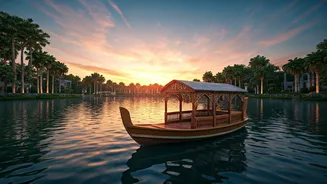
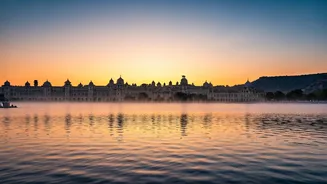
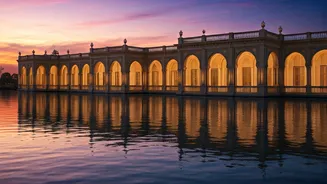
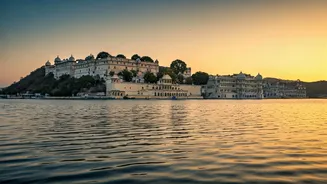
man-made freshwater lakes. At its heart is Lake Pichola, a vast expanse of water created in the 14th century. The city grew around it, with its palaces, temples, and havelis (traditional mansions) all oriented toward the water, creating a breathtaking waterscape that feels both organic and impossibly grand. A boat ride at sunset is non-negotiable; as the light fades, the marble facades of the buildings glow, and the entire city seems to float on a mirror of gold and purple.
A Kingdom Built on Water
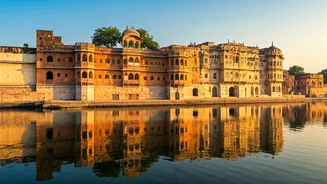
Udaipur’s story is one of resilience and vision. Founded in 1559 by Maharana Udai Singh II, it became the new capital of the Mewar kingdom after the repeated sacking of their previous fort. The location was strategic, protected by a ring of hills, but it was the creation of the lake system that truly defined its destiny. The City Palace, a sprawling complex of courtyards, pavilions, and terraces, rises majestically from the eastern bank of Lake Pichola. It isn't a single building but a series of palaces built by 22 different rulers over several centuries, yet it maintains a stunningly cohesive design. Walking through its corridors offers a direct portal into the opulent world of Rajput royalty, with intricate mirror work, vibrant murals, and balconies that command jaw-dropping views of the lake and the city below.
Palaces Turned Sanctuaries
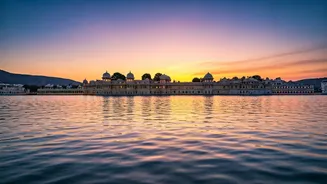
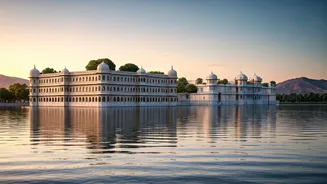
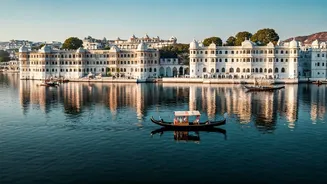
This is where the “luxury” in the headline becomes undeniable. Udaipur is home to some of the world’s most spectacular heritage hotels, establishments that have transformed historic royal properties into sanctuaries of modern comfort. The most iconic, of course, is the Taj Lake Palace. Seemingly floating in the middle of Lake Pichola, this white marble vision was originally a royal summer palace known as Jag Niwas. Today, it’s a world-renowned hotel accessible only by boat, offering guests an unparalleled level of service and a taste of royal living. For Americans who remember the 1983 James Bond film *Octopussy*, the hotel is an instantly recognizable piece of pop culture history. But it’s not alone. On the opposite bank, The Oberoi Udaivilas, a modern marvel built in the style of a traditional palace, offers its own brand of sprawling, palatial luxury with private pools and impeccable views of the water and the City Palace.
Beyond the Five-Star Stay
While the grand hotels are a major part of the allure, the soul of Udaipur extends far beyond their manicured gardens. The old city is a labyrinth of narrow, winding streets bustling with life. Here, you’ll find vibrant markets selling everything from handmade leather journals to miniature paintings, a local art form perfected over generations. Rooftop restaurants and cafes are everywhere, offering budget-friendly spots to enjoy the same million-dollar views as the luxury hotels. You can take a cooking class, watch a traditional dance performance, or simply wander through the lanes, discovering hidden temples and artisan workshops. This blend of accessible culture and high-end luxury is Udaipur’s true magic; it’s a city that allows you to feel like royalty one moment and a local explorer the next.