

The Context: A Festival of Purity
Before you dive in, it’s crucial to understand the Mela’s unique culinary landscape. The Ambubachi Mela celebrates the annual menstruation of the goddess Kamakhya, a powerful symbol of earth’s fertility. During the main festival period, the temple doors
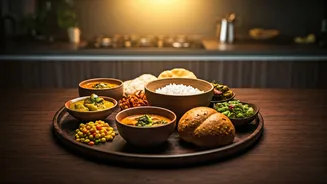
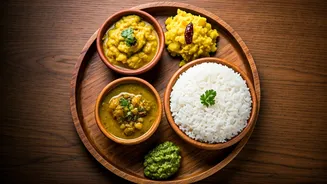
are closed, and a sense of austerity prevails. Cooking, farming, and other specific activities are paused. Consequently, the food served to pilgrims and holy men is strictly vegetarian, onion- and garlic-free, and designed for purity and sustenance. This is known as *sattvic* food. While you can find more elaborate street food on the periphery, the true taste of the Mela lies in these humble, spiritual offerings.
Khichdi Prasad: The Ultimate Comfort Food
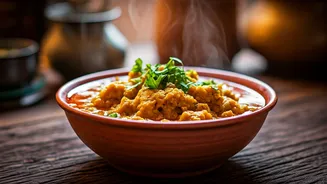
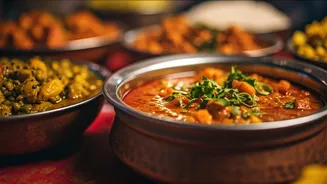
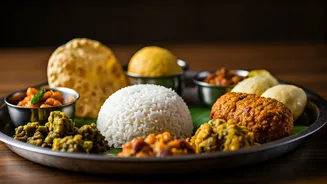
If there is one dish that defines the Ambubachi Mela experience, it’s the khichdi served as *prasad* (a blessed food offering). Forget the simple rice-and-lentil gruel you might know; this is a deeply flavorful, soupy concoction cooked in giant vats over open fires. Made with rice, various dals (lentils), and vegetables like potatoes, pumpkin, and cauliflower, it’s seasoned with turmeric, cumin, and ginger, then finished with a generous dollop of ghee. Served on a simple leaf plate, this warm, nourishing meal is offered free to thousands of devotees daily. Eating it amidst the chanting and incense is a communal experience that connects you directly to the festival's spiritual heart.
Luchi and Sabzi: A Pilgrim's Breakfast
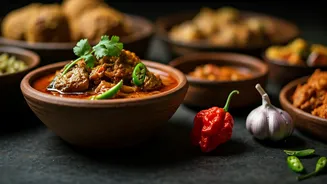
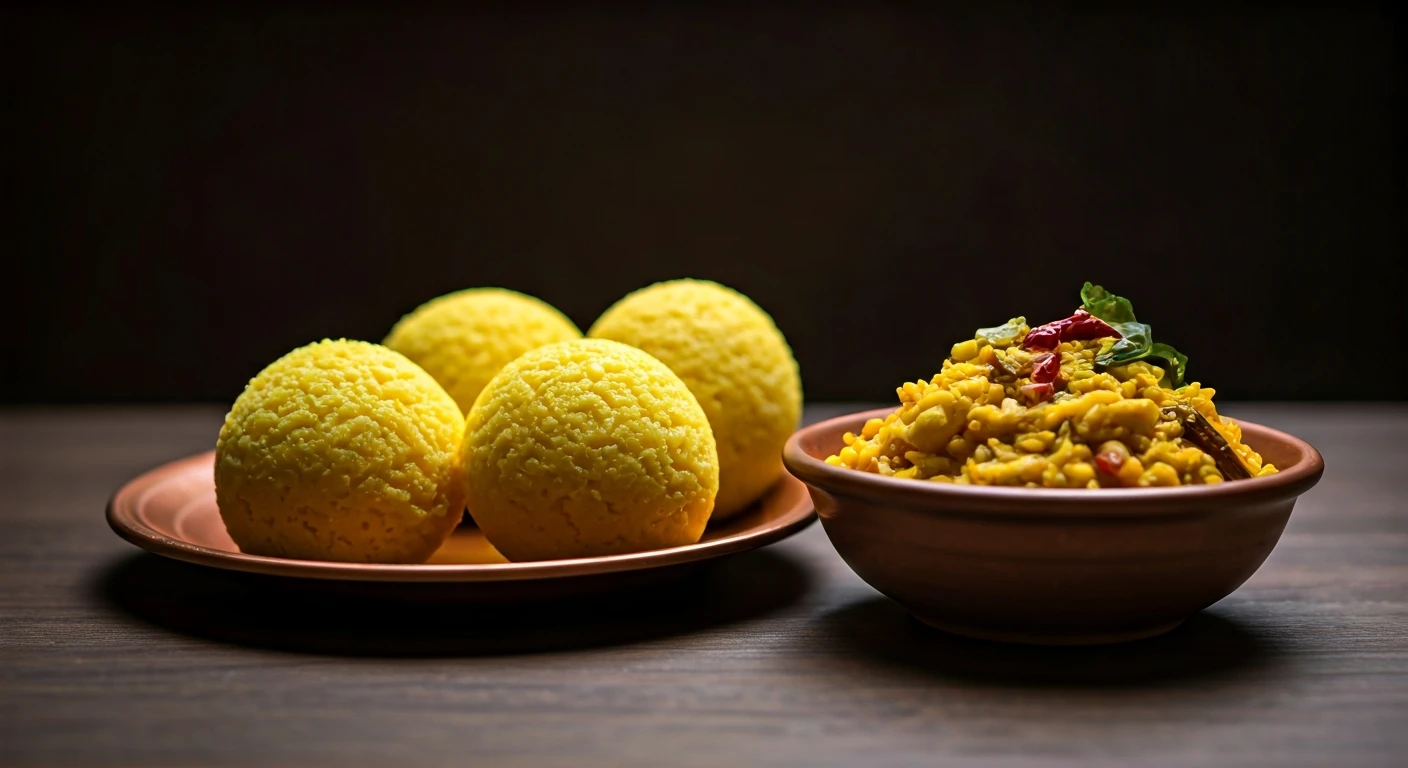
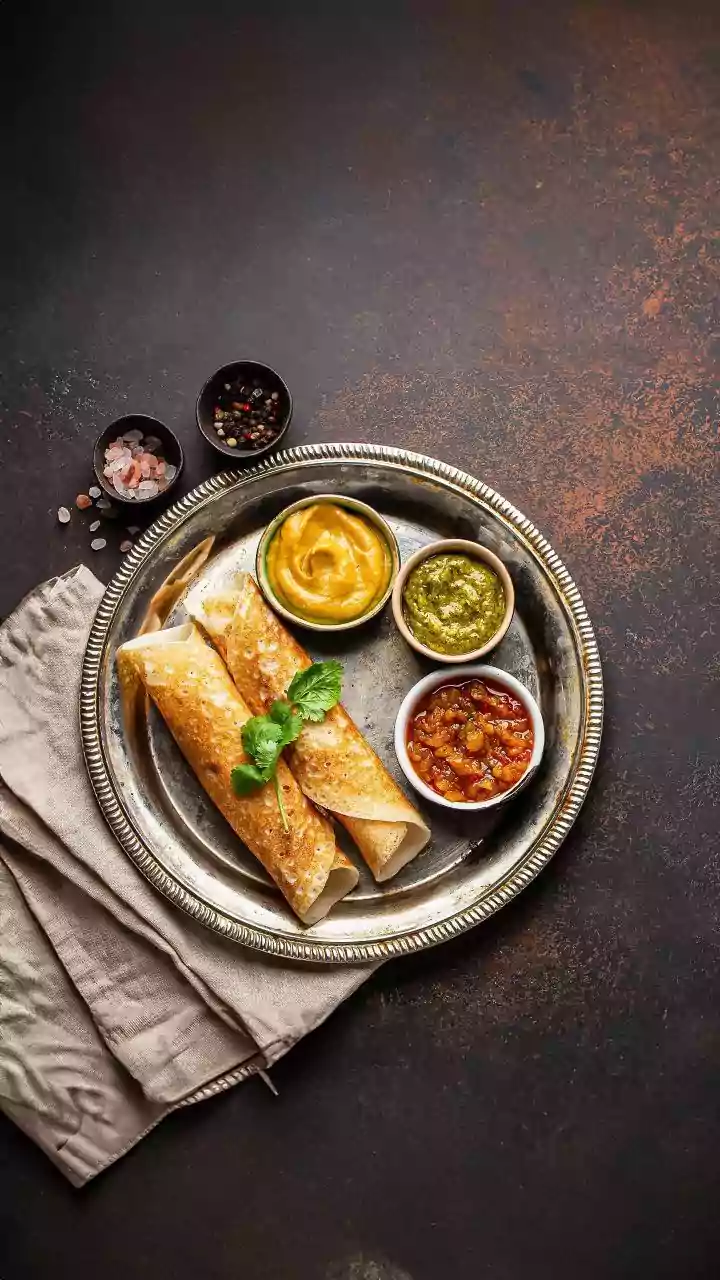
A favorite across Eastern India, *luchi* is a fluffy, deep-fried bread made from refined white flour that puffs up into a perfect golden orb. At the Mela, you'll find it paired with a simple but delicious *sabzi* (vegetable curry). Often, this is a potato curry or a mixed vegetable dish featuring seasonal produce like pumpkin or green beans. The curry is typically mild, adhering to the *sattvic* principles, but its subtle spice beautifully complements the rich, airy luchi. It’s the ideal breakfast or light meal to fuel a day of exploring the temple complex and its surrounding chaos.
Assorted Pithas: Assamese Rice Cakes
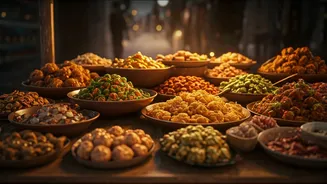
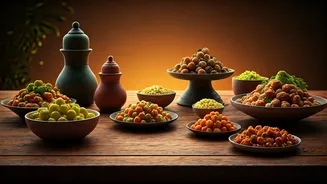
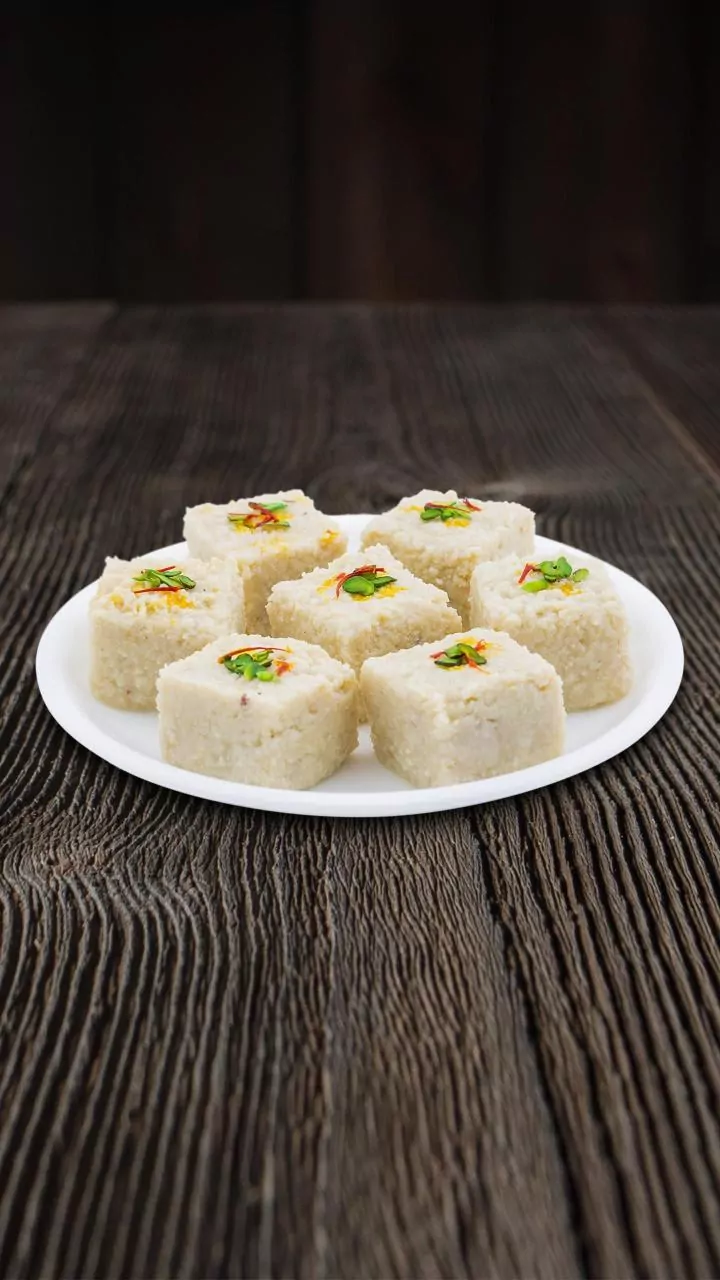
No trip to Assam is complete without sampling *pithas*, and the Mela is a great place to find them. These traditional rice cakes come in countless varieties. You might find *Til Pitha*, a thin rice-flour pancake stuffed with a sweet mixture of toasted sesame seeds and jaggery, or the savory *Ghila Pitha*, a fried rice flour fritter. Another popular type is the *Narikol Pitha*, which features a sweet, sticky coconut filling. These snacks are often prepared by local families and sold at small stalls, offering a taste of authentic home cooking and a welcome break from the more standard festival fare.
Singara and Aloo Chop: Roadside Savory Snacks
As you move away from the main temple area where austerity reigns, the world of Assamese street food opens up. Here, you’ll find vendors frying up *singaras* (the local version of a samosa) and *aloo chops*. The singaras are often filled with a lightly spiced potato and pea mixture, encased in a flaky, crispy pastry. Aloo chops are even simpler: spiced mashed potato balls, battered in chickpea flour and deep-fried until golden. Served hot with a sprinkle of black salt or a tangy chutney, they are the perfect handheld, savory bite to enjoy while soaking in the vibrant atmosphere.
Fresh Sugarcane Juice and Local Fruits
Under the hot Assamese sun, nothing is more refreshing than a glass of freshly pressed sugarcane juice. You’ll see vendors feeding long stalks of cane into hand-cranked or motorized presses, the sweet, grassy liquid pouring into a chilled glass, often with a squeeze of lime and a hint of ginger. It's hydration and a treat in one. Alongside these juice stalls, you’ll find carts piled high with seasonal fruits like jackfruit, mangoes, and lychees. For pilgrims, these simple, natural offerings are a pure and acceptable form of sustenance during a period of religious observance.