




The New Definition of a 'Flex'
In the social media-driven lexicon of Gen Z, a 'flex' is an act of showing off. Traditionally, that meant flashing designer logos or luxury car keys. When it comes to dining, however, the flex is becoming more subtle and value-driven. Opting for a half-size
portion, ordering two appetizers instead of a main, or suggesting the table split an entrée isn't a sign of an empty wallet. Instead, it’s a quiet declaration of control, sophistication, and priorities. This isn't the restrictive diet culture of the '90s, focused on calorie-counting and deprivation. It’s a flex of self-awareness. It says, 'I know my body, I hate food waste, and I value taste and variety over sheer volume.' In a culture that often equates 'more' with 'better,' choosing 'just enough' is a form of quiet rebellion. It signals that you’re not swayed by the pressure to consume mindlessly, making it a status symbol rooted in mindfulness rather than materialism.
The Economics of Experience
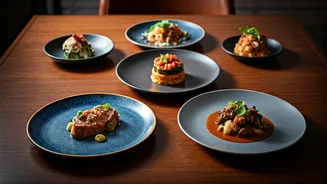
While Gen Z is often cited as being financially conscious, this trend is less about being 'cheap' and more about being strategic. Faced with rising menu prices and economic uncertainty, younger diners are focused on maximizing the value of their experience, not just the volume of their food. Ordering a full, oversized entrée for $35 can feel like a commitment—a single-note experience that might not even be fully enjoyed. Instead, the savvy Gen Z diner might propose a different strategy: share a smaller main, get that interesting-looking appetizer, and still have room in the budget (and stomach) for a craft cocktail or dessert. This approach transforms a meal from a transaction for calories into a curated tasting experience. It allows for more variety, more conversation, and a more memorable social occasion, all while keeping the final bill manageable. It’s a flex of financial intelligence, demonstrating an ability to have a rich experience without overspending.
Wellness Without the Obsession
Gen Z’s approach to wellness is notably different from that of millennials. They are less interested in rigid diets and punishing workout routines and more focused on holistic well-being: mental health, low-stress living, and intuitive eating. The half-portion trend fits perfectly into this worldview. It’s about listening to your body’s hunger cues and avoiding the dreaded 'food coma' that follows an oversized meal. Furthermore, this generation is acutely aware of sustainability and food waste. They’ve grown up with messaging about the environmental impact of agriculture and the moral failing of throwing away perfectly good food. Leaving half an entrée on the plate because the portion was comically large feels irresponsible. By ordering a smaller size from the start, they align their dining habits with their ethical values. This makes the choice a reflection of personal and global responsibility, adding another layer to its 'flex' status.
The Social Power of 'Just a Bite'
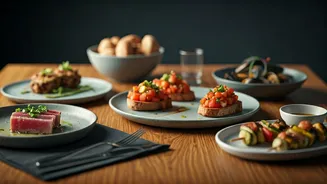
Beyond the personal and financial benefits, the small-plate approach is inherently more social. When everyone at the table is hunkered down over their own massive plate of pasta, the meal can feel siloed. But when portions are smaller, sharing is almost inevitable. This 'tapas-ification' of dining encourages interaction, conversation, and a collective experience. 'Should we just get a few things for the table?' has become a common refrain. This collaborative style of ordering breaks down barriers and turns dinner into a team sport. It allows friends to sample a wider swath of the menu, debate their favorite dishes, and create shared memories. In an era where digital connection often overshadows physical presence, a meal that actively encourages engagement is a powerful tool. The flex, then, is not just what you eat, but how you use food to connect with the people you’re with.