



The Rise of the Double-Duty Object
For decades, the design ethos was simple: a table was a table, a bed was a bed. But as square footage becomes a premium commodity, that logic no longer holds. The defining trend in modern furniture isn't a particular color or material, but a new job description:
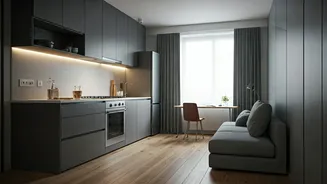
do more. Driven by the popularity of accessory dwelling units (ADUs), micro-apartments in dense cities, and a general trend toward smaller single-family homes, designers are creating pieces that serve multiple purposes. This isn't just about clever contraptions for tiny-house enthusiasts; it's a mainstream movement. Major retailers are now dedicating entire collections to 'small space solutions,' acknowledging that the average American needs their furniture to be as flexible and hardworking as they are. The result is a new generation of furnishings that blend form, function, and a touch of mechanical magic.
The Transformer: From Coffee to Dining Table
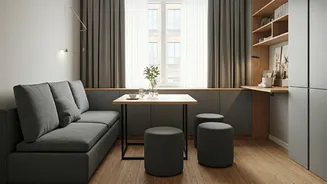
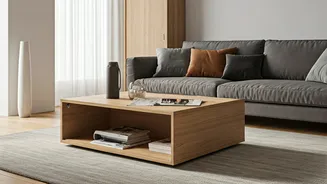
The open-concept floor plan saved space but created a new problem: how do you host a dinner party in a room that's also your primary living area? Enter the transformer table. The most common iteration is the lift-top coffee table, a once-niche item that has become a living room staple. With a gentle pull, it rises and often expands to become a comfortable dining surface for four or six people, or a functional work-from-home desk. It eliminates the need for a dedicated dining room, a luxury many can no longer afford. These tables neatly solve the modern dilemma of needing a space to be both casual and formal, a lounge and a canteen, often within the same hour. They are the undisputed workhorses of the compact living movement.
The Storage Magician: Hiding Clutter in Plain Sight
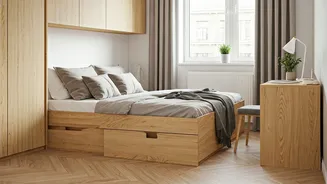
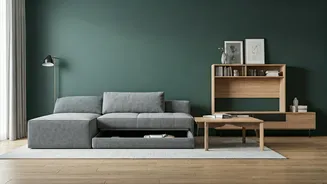
In a small space, clutter is the enemy. The solution isn't to own less (though that helps), but to store smarter. Today's hardworking furniture is a master of disguise, hiding ample storage in unexpected places. Storage ottomans, once simple footrests, are now hollowed-out treasure chests for blankets, board games, and electronics. Bed frames have evolved from simple platforms to complex systems of drawers and hydraulic lifts that reveal a massive storage cavity underneath the mattress—perfect for stashing away seasonal clothing or extra linens. Even sectional sofas are getting in on the act, with chaise lounges that hinge open to provide more hidden space. This approach allows for a clean, minimalist aesthetic without demanding a monk-like lifestyle.
The Disappearing Act: Reinventing the Murphy Bed
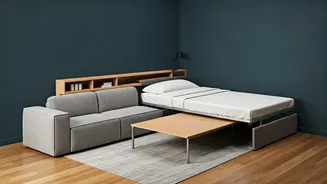
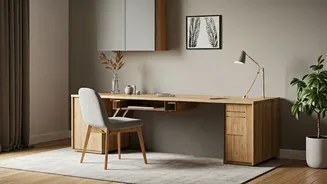
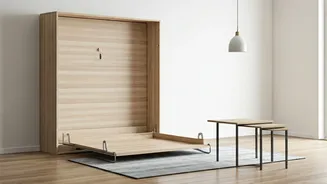
The Murphy bed, long the subject of slapstick comedy, is having a serious and stylish renaissance. Forget the clunky, spring-loaded contraptions of the past. Modern wall beds are sleek, safe, and sophisticated. They seamlessly integrate into custom cabinetry, often flanked by bookshelves or wardrobes. When folded away, they reveal a desk, a sofa, or simply a clean wall, instantly transforming a bedroom into a home office or an expanded living area. This single piece of furniture can double the utility of a studio apartment or a guest room, allowing one room to serve two distinct functions without compromise. For those in spaces under 600 square feet, the ability to 'put the bed away' is not a novelty; it's a game-changer.
The Modular Marvel: Furniture as Building Blocks
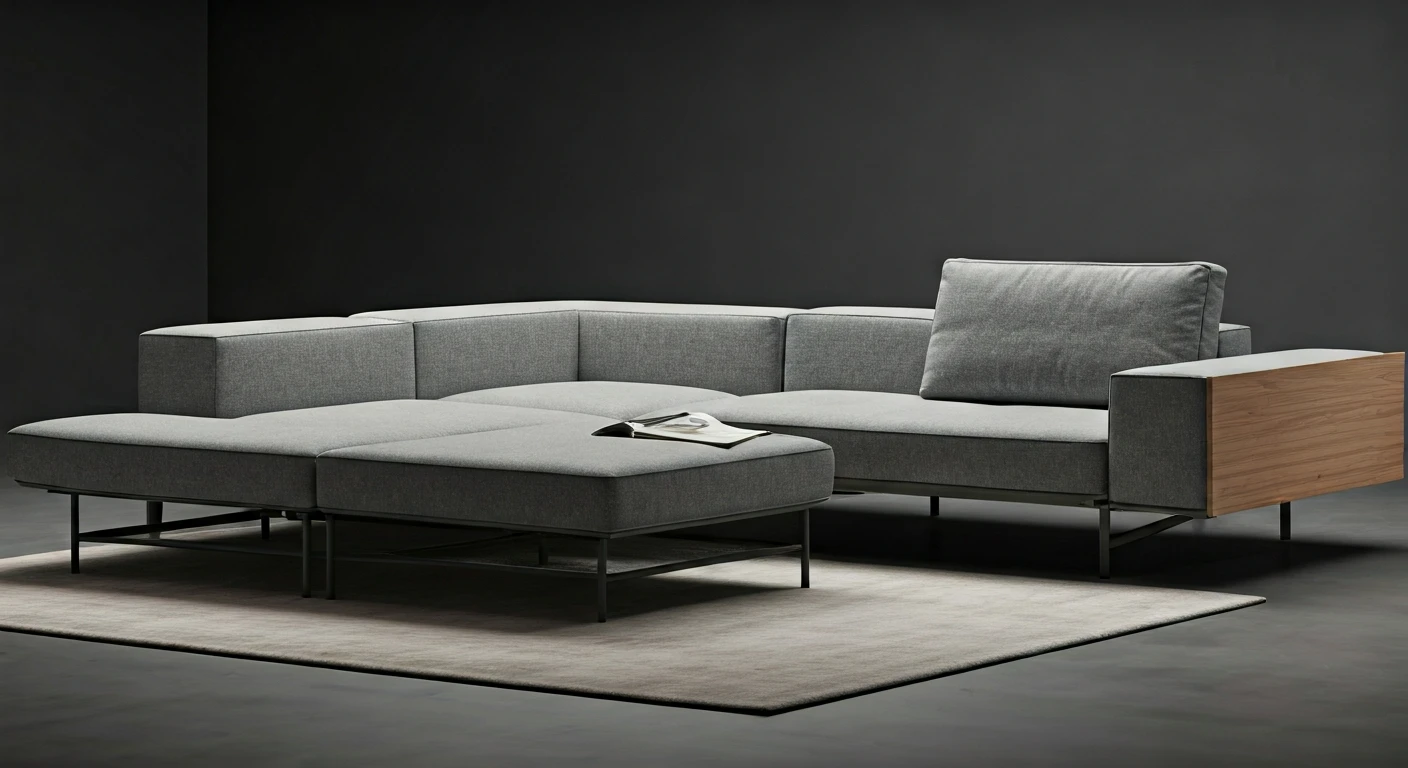
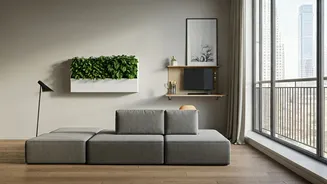
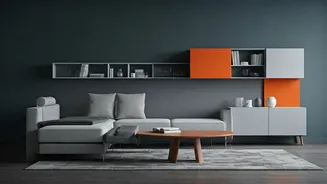
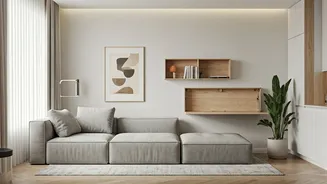
Why commit to one layout when you can have a dozen? Modularity is the final frontier of hardworking furniture. This design philosophy treats furniture less like a static object and more like a set of building blocks. Modular sofas can be reconfigured from a classic three-seater into a sectional with a chaise, two separate loveseats, or even a guest bed. Modular shelving systems can be expanded, reduced, or reshaped to fit a new wall or a new home, making them a long-term investment that adapts with your life. This flexibility appeals not only to those in tight quarters but also to anyone who enjoys refreshing their space without buying all new furniture. It’s a sustainable, customizable approach perfectly suited for a world where our needs and our spaces are constantly in flux.