



1. Mint: The Unkillable Flavor Bomb
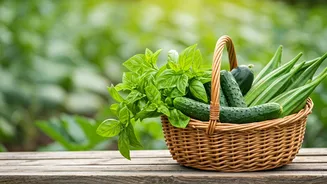
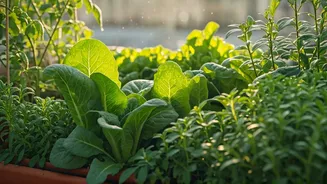
If you've ever failed to keep a plant alive, start with mint. It’s so vigorous and eager to grow that the main challenge is containing it, which is why it’s the perfect candidate for a pot. Whether you choose spearmint, peppermint, or even chocolate mint, all it asks
for is a reasonably sunny spot and regular water. It will reward you with an endless supply of leaves for mojitos, iced tea, fruit salads, and marinades. For a continuous harvest, just snip off stems as you need them; this encourages the plant to become bushier and more productive. Its resilience makes it the ultimate confidence-booster for a novice gardener.
2. Chives: The Perennial That Pays You Back
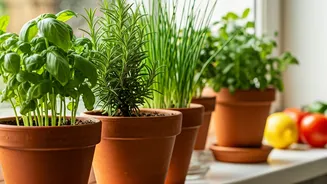
Chives are the definition of a low-drama, high-reward plant. As a perennial, they die back in the winter and pop right back up in the spring, ready for another season. Their gentle onion flavor is perfect for sprinkling over scrambled eggs, baked potatoes, and soups. They require almost no attention beyond sunlight and occasional watering. Unlike many herbs that need careful pruning, you can give chives a rough “haircut” with scissors an inch or two above the soil, and they’ll regrow quickly. The pretty purple pom-pom flowers that appear in late spring are also edible and make a beautiful, colorful garnish.
3. Basil: The Taste of Summer Sunshine
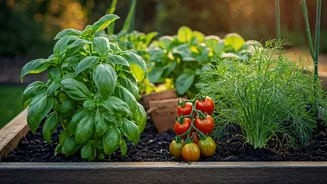
No kitchen garden is complete without basil. The aroma alone is a reward, signaling pesto, caprese salads, and fresh tomato sauces. While it’s more of a sun-worshipper than mint or chives, its needs are simple: at least six hours of direct sunlight and consistently moist soil. The key to a happy basil plant is regular harvesting. By pinching off the top sets of leaves right above a leaf node, you prevent it from flowering (which can make the leaves bitter) and encourage it to grow into a full, bushy plant. A single, well-tended plant in a pot on your patio can provide fresh leaves all summer long.
4. Rosemary: The Drought-Tolerant Workhorse
For anyone who occasionally forgets to water their plants, rosemary is your new best friend. This woody, aromatic herb thrives in conditions that would stress other plants. It loves full sun and prefers its soil to dry out between waterings, making it exceptionally low-maintenance. A small rosemary plant will grow into a sturdy shrub over time, providing fragrant needles for roasting chicken, potatoes, and vegetables. Its evergreen nature means that in many U.S. climates, you can harvest from it year-round. Just place it in a sunny spot and let its piney, potent fragrance enhance your garden and your kitchen.
5. Leaf Lettuce: The Cut-and-Come-Again Salad Bar
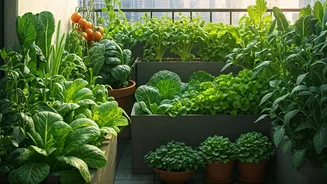
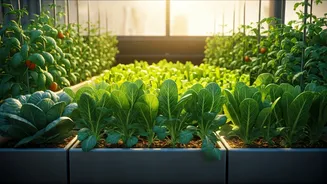
Growing your own salad is easier than you think, especially with loose-leaf lettuce varieties like ‘Black Seed Simpson’ or ‘Oakleaf’. Unlike head lettuces that require a long growing season for a single harvest, these types allow you to snip off outer leaves as you need them. The plant’s center will continue to produce new growth, giving you a steady supply for weeks. Leaf lettuce grows quickly in cooler weather and can thrive in window boxes or shallow containers with only partial sun. The taste of a truly fresh, crisp salad picked just moments before eating is a simple luxury that’s surprisingly easy to achieve.
6. Flat-Leaf Parsley: The Unsung Kitchen Hero
Often relegated to a garnish, parsley is a culinary workhorse that adds a bright, fresh, and clean flavor to almost any dish. Italian flat-leaf parsley is generally favored for its more robust taste compared to its curly cousin. It’s an incredibly forgiving plant, happy in full sun or partial shade, and it isn’t fussy about soil. Like basil, it benefits from regular trimming, which encourages new, tender growth from the center of the plant. A couple of parsley plants will give you more than enough for finishing sauces, making tabbouleh, or just adding a pop of green to your plate.