
Meet the 'Miracle Tree'
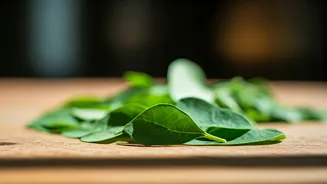
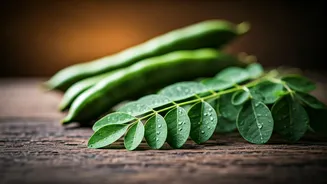
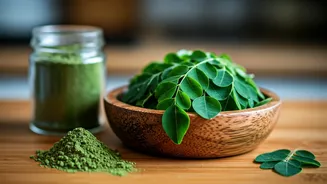
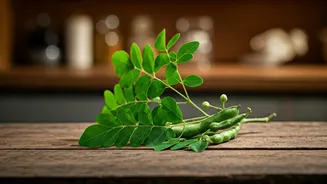
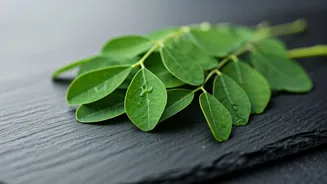
Before it was a trendy powder, moringa was, and is, a tree. Native to parts of India and Africa, *Moringa oleifera* is often called the “drumstick tree” for its long seed pods or the “miracle tree” for its resilience and the traditional belief in its wide-ranging
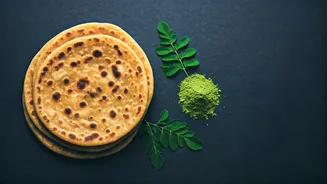
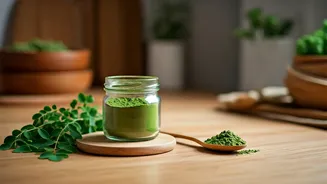
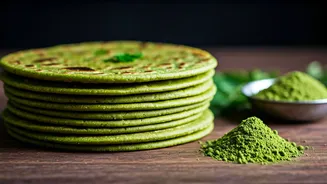
benefits. For centuries, cultures have used nearly every part of the plant—leaves, pods, seeds, and roots—as both food and folk medicine. The version showing up in American stores is typically made from dried, ground leaves, creating a fine powder with a color reminiscent of matcha. While new to many U.S. consumers, it has a long and storied history as a staple source of nutrition in regions where fresh produce can be scarce.
The 'Superfood' Hype vs. Reality
Moringa's modern marketing hinges on its status as a “superfood,” a term that warrants healthy skepticism. The reality is that moringa leaves are, in fact, remarkably nutritious. They are packed with vitamins A and C, calcium, potassium, and iron. They also contain a significant amount of plant-based protein and are rich in antioxidants, which can help protect cells from damage. However, it's crucial to separate nutritional density from miraculous health claims. While some small-scale studies and animal research suggest moringa may have anti-inflammatory and blood sugar-regulating properties, large-scale clinical trials in humans are lacking for many of the more dramatic claims. Think of it less as a cure-all and more as a potent, leafy green concentrate—a powerful nutritional supplement, but not a replacement for a balanced diet or medicine.
Why Now? The Wellness-to-Kitchen Pipeline
So why is moringa suddenly everywhere? Its rise follows a familiar pattern. First, the wellness community and influencers embrace an ingredient for its perceived health benefits. Then, dedicated brands (like Kuli Kuli, which has built its entire business around moringa) work to create a stable supply chain and introduce it to a Western palate through accessible products like energy bars and powders. Finally, as consumer demand grows, larger retailers like Whole Foods and online marketplaces make it readily available. The push is fueled by a growing consumer interest in plant-based nutrition and functional foods—ingredients that do more than just fill you up. Moringa fits perfectly into this narrative as a simple, powerful way to add a dose of green goodness to everyday meals.
A Guide for the Curious Cook
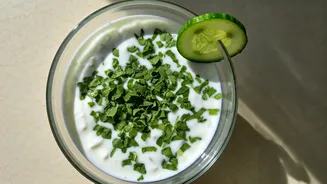
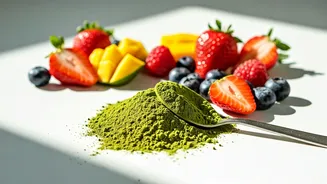
If you're ready to experiment, the first thing to know is its taste. Moringa powder has a distinctly earthy, vegetal flavor, often compared to a cross between spinach and matcha, with a slightly peppery or horseradish-like kick. It’s not a flavor that disappears, so it’s best to start small. A half-teaspoon is plenty for a single serving. Its most popular application is in smoothies, where its grassy notes can be balanced by fruit and yogurt. But its savory potential is where it gets interesting for everyday cooking. You can whisk it into salad dressings, stir it into soups and stews toward the end of cooking, sprinkle it over roasted vegetables, or blend it into a pesto or guacamole for an extra nutrient and color boost. It also works well in baked goods like muffins or energy bites, though a little goes a long way.