





1. Mac and Cheese Gets a Veggie Boost
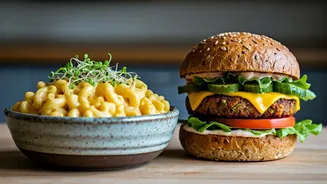
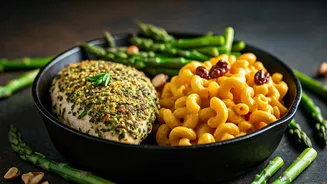
The gold standard of comfort food, macaroni and cheese, is often the first to get a modern makeover. The secret isn’t in taking away the cheese but in adding vegetables in clever ways. Many recipes now call for a creamy base made from puréed butternut
squash, sweet potatoes, or cauliflower. When blended smoothly with sharp cheddar or Gruyère, these vegetables add nutrients, fiber, and a subtle sweetness while allowing you to use less heavy cream and butter. The result is a sauce that’s just as velvety and satisfying but with a nutritional profile that feels less like a guilty pleasure and more like a smart indulgence. Some versions even incorporate whole wheat or protein-fortified pasta, making the entire dish a more balanced meal.
2. Fried Chicken Without the Deep Fryer
That shatteringly crisp skin on a piece of fried chicken is iconic, but the vat of oil required to achieve it is not. Enter the air fryer, the kitchen appliance that has revolutionized weeknight cooking and is now saving comfort food classics. By circulating superheated air, air fryers deliver a remarkably crunchy exterior on chicken with just a fraction of the oil used in traditional deep frying. The same principle applies to oven-baking methods, where a light coating of panko breadcrumbs and a spritz of cooking spray on a wire rack can produce a surprisingly crispy bird. The flavor is still there—the key is in the marinade and seasoning—but the grease and heavy feeling afterward are noticeably absent.
3. The Plant-Forward Meatloaf
Meatloaf is the centerpiece of countless family dinners, a savory, hearty dish that defines American home cooking. Today, that familiar loaf is being re-imagined for a more plant-forward audience. Instead of ground beef, modern recipes might use a blend of lentils, mushrooms, and walnuts to achieve a rich, umami-packed flavor and a satisfyingly dense texture. Plant-based meat alternatives from brands like Impossible and Beyond Meat also provide a one-to-one swap that mimics the original's taste and mouthfeel with stunning accuracy. Topped with the same tangy ketchup glaze, this new-school meatloaf delivers all the nostalgic comfort without the heavy saturated fat and cholesterol of its predecessor.
4. Pasta Night's Noodle Swap
A big bowl of spaghetti and meatballs is pure bliss, but the carb-heavy pasta can leave you feeling sluggish. The solution isn't to skip pasta night but to rethink the noodle itself. Spiralized zucchini (“zoodles”) and spaghetti squash have become mainstream alternatives, offering a light, vegetable-based foundation for your favorite sauces. For those who still crave the chew of traditional pasta, the market is now flooded with options made from chickpeas, lentils, and edamame. These legume-based pastas often pack double the protein and significantly more fiber than their wheat-based counterparts, making them more filling and better for blood sugar stability. They pair beautifully with a classic marinara or a hearty bolognese, ensuring the soul of the dish remains intact.
5. Lighter, Fluffier Mashed Potatoes
What’s a comfort plate without a pile of creamy mashed potatoes? The traditional recipe—loaded with butter, whole milk, or heavy cream—is delicious but decadent. The health-aware update focuses on creating that same fluffiness with smarter ingredients. Steamed and puréed cauliflower, when blended with just one or two potatoes, creates a lighter mash that’s lower in carbs but still feels creamy and substantial. Another popular technique is swapping butter and cream for Greek yogurt, which provides a rich tang and creaminess, or using a high-quality olive oil and a bit of the starchy potato-cooking water to achieve a silky texture. Roasted garlic or fresh chives can then be added to ensure the flavor is bold and satisfying.