






Meet Ashwagandha, The Ancient Adaptogen
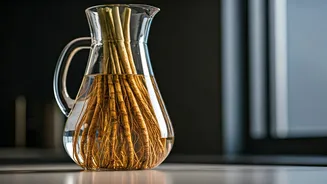
Before it became a trendy wellness ingredient, ashwagandha (Withania somnifera) was a cornerstone of Ayurveda, the traditional system of medicine in India. Its name in Sanskrit translates roughly to “smell of the horse,” which refers to both its unique
scent and the belief that it imparts the strength and vitality of a stallion. But its modern claim to fame rests on its classification as an “adaptogen.” An adaptogen is a natural substance considered to help the body adapt to stress and exert a normalizing effect upon bodily processes. The idea is that instead of targeting a specific symptom, adaptogens help your entire system manage physical, chemical, and biological stressors more effectively. Think of it less as a sedative and more as a biological regulator, working to bring your body back toward a state of balance, or homeostasis.
Can It Really Lower Stress?
The headline-grabbing claim is that ashwagandha can lower stress, and there is some promising science to support this, though it’s not a magic cure. The key lies in its potential effect on cortisol, the body's primary stress hormone. When you're chronically stressed, your cortisol levels can remain elevated, leading to a host of health issues. Several human clinical trials have suggested that ashwagandha supplementation may help reduce serum cortisol levels. For example, a notable 2019 study published in the journal *Medicine* found that adults taking a daily dose of ashwagandha extract had significantly reduced cortisol levels and lower scores on stress-assessment scales compared to a placebo group. However, it’s important to frame this correctly. These studies show a potential benefit, but they are not definitive proof for everyone. The scientific community generally agrees that more large-scale, long-term research is needed. So, while it may support your body’s stress response, it’s not a replacement for therapy, exercise, or other proven stress-management techniques.
Your Morning Ritual: The Oat Milk Latte
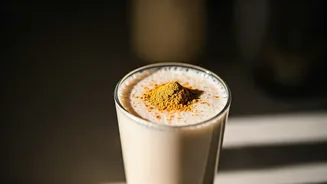
So, why mix it into oat milk? There's no magical interaction between the two. The choice is purely practical and preferential. Oat milk has a creamy texture and a mildly sweet, neutral flavor that helps mask the earthy, sometimes bitter taste of ashwagandha powder or extract. It creates a pleasant, comforting vehicle for the herb, turning a supplement into a soothing morning ritual. To make your own, simply warm up a cup of your favorite oat milk (or any milk of your choice). Then, whisk in your dose of ashwagandha. Most people use a powder, starting with about half a teaspoon, or follow the dosage instructions for a liquid extract. You can enhance the flavor with a dash of cinnamon, a drizzle of maple syrup, or even a shot of espresso to create a stress-supportive dirty latte. The key is consistency; like many supplements, ashwagandha’s potential benefits are thought to build over time.
Important Considerations Before You Sip
Before you add ashwagandha to your daily routine, it's crucial to be informed. First, not all supplements are created equal. Look for products from reputable brands that use third-party testing to ensure purity and potency. You'll find it primarily as a powder made from the dried root or as a concentrated liquid extract. There is no universally agreed-upon dosage, but many studies use between 250 and 600 milligrams of a root extract per day. It’s wise to start with a lower dose to see how your body reacts. While generally considered safe for most people, potential side effects can include mild drowsiness, stomach upset, or diarrhea. More importantly, certain individuals should avoid it or consult a doctor first. This includes people who are pregnant or breastfeeding, those with autoimmune diseases like rheumatoid arthritis or lupus, and anyone taking medication for thyroid disorders, blood sugar, or blood pressure, as ashwagandha could interfere with these conditions.