

The Time Crunch in Urban India
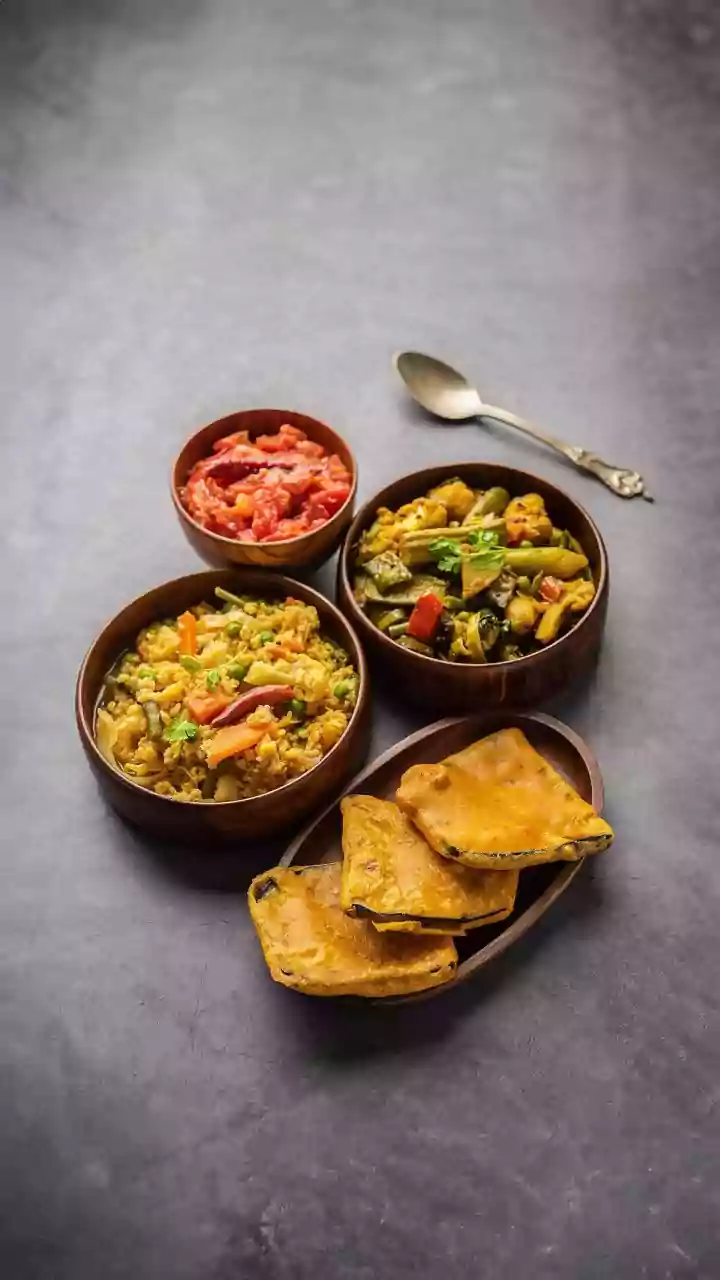
Imagine a food culture built almost entirely around freshness. For millions in India, the daily routine has long involved buying fresh vegetables, grinding spices, and preparing elaborate meals from scratch. This wasn't a lifestyle choice; it was simply
how food was done. But as India’s economy has boomed, its cities have swelled. With this urbanization comes longer commutes, dual-income households, and less free time. The multi-hour process of preparing a traditional meal is becoming an unsustainable luxury for a growing urban middle class. This isn't the same as the American embrace of TV dinners in the 1950s. The cultural attachment to fresh, 'real' food remains incredibly strong. Early forays into packaged foods were often met with skepticism, associated with being unhealthy, overly processed, and full of preservatives. The challenge, then, was not just to make food convenient, but to make it convenient without sacrificing the deeply ingrained values of health and naturalness.
Redefining Healthy, Indian Style
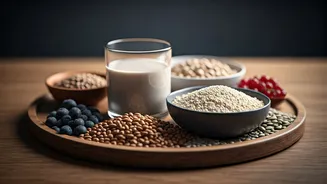
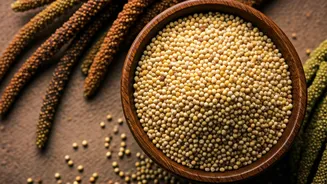
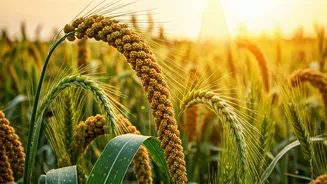
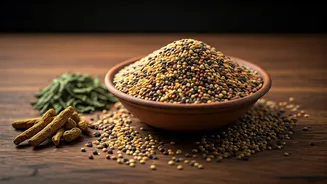
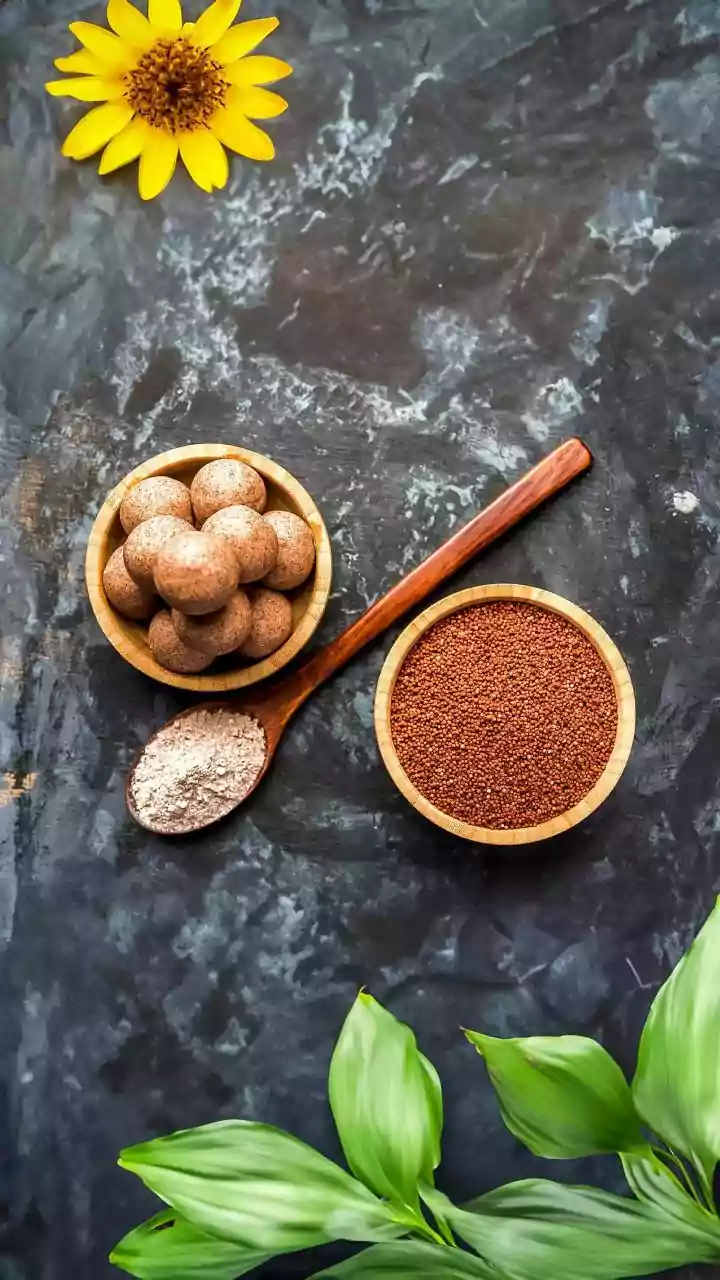
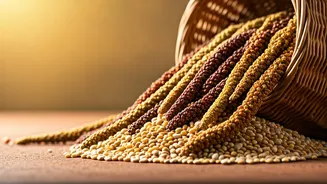
So, what does 'healthy convenience' look like in India? It doesn't necessarily mirror the kale salads and quinoa bowls of the West. Instead, it’s about modernizing tradition. A key player in this story is the humble millet. These ancient, nutrient-dense grains like jowar, bajra, and ragi were once staples but were largely displaced by wheat and rice. Now, they are making a massive comeback as a health food. The Indian government has championed this revival, even pushing the UN to declare 2023 the 'International Year of Millets.' Startups have seized on this momentum, transforming millets into products that fit a modern lifestyle: millet-based breakfast cereals, ready-to-eat pancake mixes, and even pasta. The appeal is twofold: these products are authentically Indian and packed with nutritional benefits, hitting the sweet spot between heritage and health.
The Startup Boom in the Kitchen
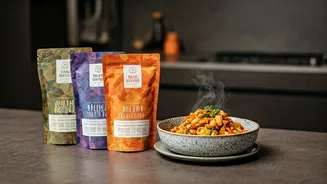
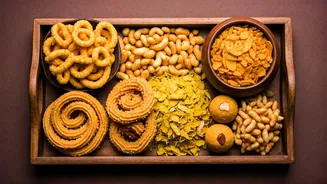
This cultural shift has ignited a firestorm of innovation in the food-tech space. A new wave of direct-to-consumer (D2C) brands is bypassing traditional 'kirana' (neighborhood) stores and supermarkets, reaching customers directly through websites and apps. This model allows them to tell a story about their ingredients, control the customer experience, and build a loyal community around their brand. These companies are tackling every part of the day. There are brands offering healthy breakfast porridges, vacuum-packed ready-to-eat curries that just need heating, and an explosion of guilt-free snacks. Think baked lentil chips, roasted makhana (fox nuts), and protein bars flavored with cardamom and saffron. These aren't just scaled-down versions of home recipes; they are professionally formulated, hygienically packaged, and marketed with savvy that speaks to a globally aware, Instagram-savvy consumer.
A Sign of a New Aspiration
Ultimately, the rise of healthy convenience food in India is about more than just what people are eating. It's a reflection of a society in transition. It signifies the emergence of a new consumer class that values its time as much as its traditions. They are aspirational, health-conscious, and willing to pay a premium for products that align with their values and solve a genuine problem in their busy lives. This isn't a rejection of the home-cooked meal but an extension of it—a way to maintain a connection to healthy, traditional eating patterns even when life gets in the way. It’s a uniquely Indian solution to a universal modern problem, creating a multi-billion dollar market where entrepreneurs are proving that 'quick' and 'healthy' don’t have to be mutually exclusive.