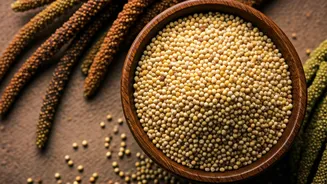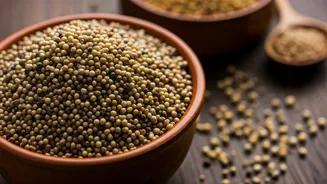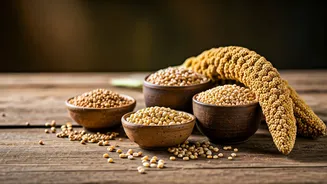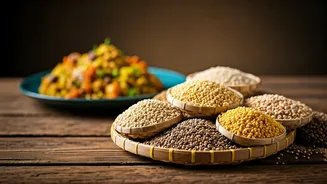



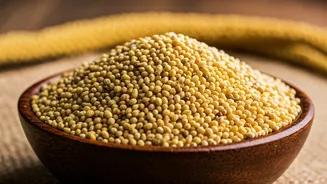
So, What Exactly Is Millet?
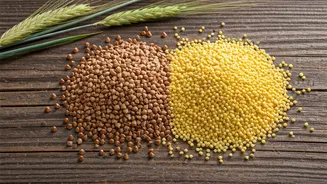
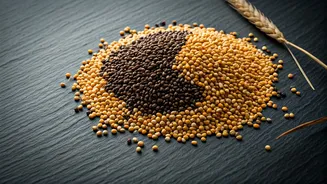
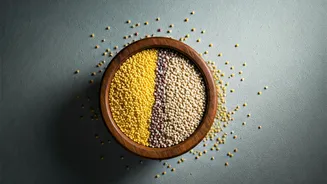
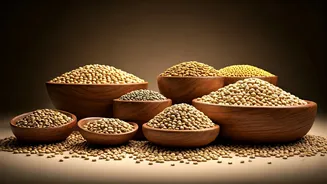
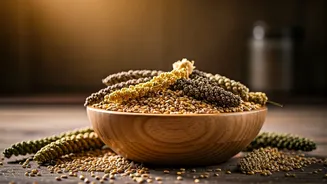
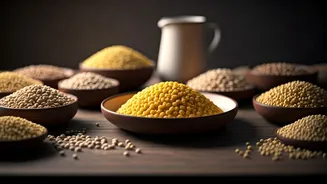
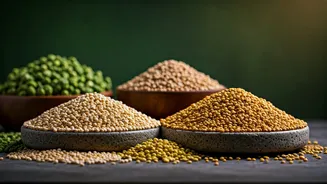
First, let's clear up a common misconception. Millet isn't a single grain, but rather a catch-all term for a group of small-seeded grasses that have been cultivated for thousands of years. Think of it as a diverse family of grains, each with its own personality.
You might have encountered sorghum, which can be popped like corn or cooked into a hearty porridge. Perhaps you've heard of teff, the tiny grain that gives Ethiopian injera bread its distinctive tangy flavor and spongy texture. Then there's fonio, a West African staple celebrated for its nutty, delicate taste, and pearl millet, a powerhouse grain grown across Africa and India. While quinoa stole the spotlight a decade ago, this broader family of millets offers chefs and home cooks a much wider palette of flavors, textures, and stories to work with.
The 'Health' Part of the Equation
The wellness boom has been a major catalyst for millet’s resurgence. For a growing number of Americans navigating dietary restrictions or simply seeking more nutritious options, millets check all the right boxes. They are naturally gluten-free, making them a safe and versatile choice for those with celiac disease or gluten sensitivity. But their benefits go far beyond what they lack. Millets are nutritional powerhouses, generally rich in fiber, which aids digestion and promotes a feeling of fullness. They are also a good source of plant-based protein, complex carbohydrates for sustained energy, and essential minerals like magnesium, phosphorus, and iron. In a world saturated with processed foods, millet offers a whole-food alternative that feels both grounding and genuinely nourishing, easily swapping in for rice or pasta in almost any dish.
The 'Heritage' Connection
This is where the story gets truly compelling. For many chefs and diners, millets are more than just a health food; they are a direct link to cultural history. These grains aren't a new discovery—they are ancient staples that have sustained civilizations for millennia, particularly in Africa and Asia. The recent focus on them in the U.S. is part of a larger culinary movement to decolonize the plate and celebrate ancestral foodways. Chefs like Pierre Thiam have been instrumental in introducing fonio to a global audience, framing it not as an exotic ingredient but as a proud piece of West African heritage. In India, grains like ragi (finger millet) and jowar (sorghum) are being revived in modern kitchens as a way to connect with traditional, pre-colonial diets. Eating millet, in this context, becomes an act of appreciation for food traditions that have been overlooked by mainstream Western cuisine for far too long.
From Ancient Grain to Modern Menu
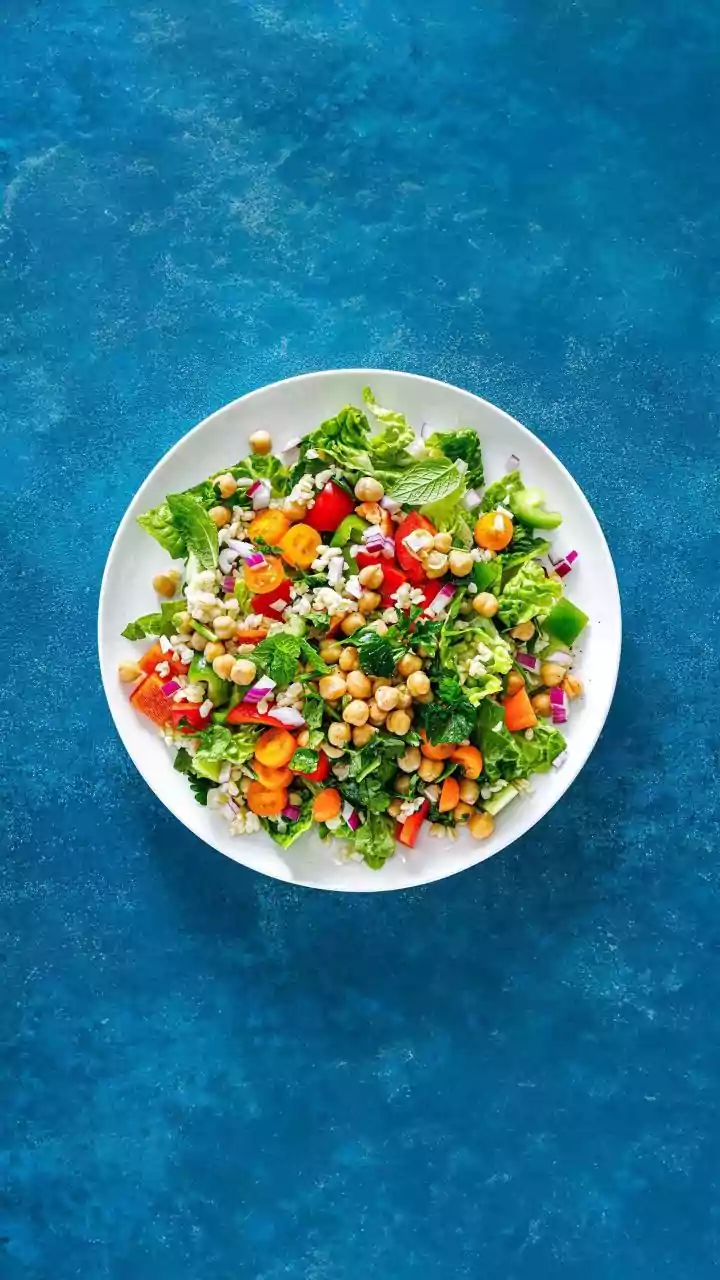
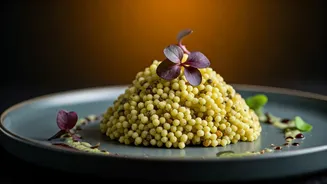
The versatility of these grains is what solidifies their place in modern American dining. Chefs are moving beyond simple porridge and finding endlessly creative applications. You might find millet “puffed” and sprinkled over salads for a surprising crunch, much like a healthier crouton. It's used as the base for hearty, satisfying grain bowls, where its ability to soak up dressings makes every bite flavorful. Ground into flour, it appears in everything from gluten-free breads and pizza crusts to delicate pastries and pancakes. We're also seeing it in beverages, with sorghum syrup sweetening cocktails and craft breweries experimenting with millet-based beers. This adaptability ensures that millet isn't just a side dish; it’s an integral component that can add texture, flavor, and a compelling narrative to almost any course on the menu.