


Meet India’s Ultimate Comfort Food
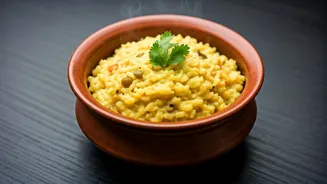
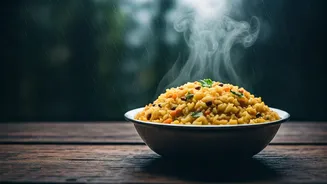
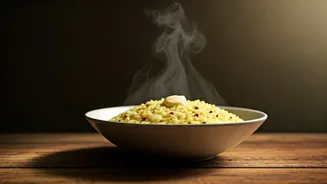
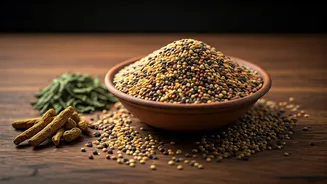
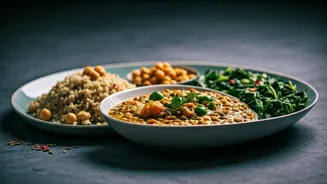
At its heart, khichdi (pronounced KICH-uh-ree) is a humble, one-pot porridge made from rice and lentils, typically moong dal. But calling it just 'porridge' is like calling risotto just 'rice.' It's a foundational dish across the Indian subcontinent,
revered for its simplicity and versatility. Depending on the region and the cook, it can be seasoned with a whisper of turmeric and ghee or embellished with a vibrant medley of vegetables and spices. Often the first solid food given to babies and the go-to meal for those recovering from illness, khichdi is synonymous with comfort, nourishment, and easy digestion. It’s the culinary equivalent of a warm hug, delivering complete protein and gentle sustenance without demanding much from your system.
Why Monsoons Change the Menu
For those who haven't experienced it, the South Asian monsoon is more than just a rainy spell; it's a transformative season. After months of scorching heat, the rains bring life and relief, but they also bring extreme humidity, a drop in temperature, and an increased risk of waterborne and foodborne illnesses. According to Ayurveda, the ancient Indian system of medicine, this atmospheric shift dampens our digestive fire, or *agni*. A weakened *agni* means the body struggles to break down heavy, rich, or raw foods. This traditional belief aligns with a practical reality: high humidity can make food spoil faster, and an abundance of moisture can contaminate raw vegetables and leafy greens. As a result, culinary wisdom passed down through generations advises a shift toward light, warm, and thoroughly cooked meals—the very definition of khichdi.
The Philosophy of 'Safer' Eating
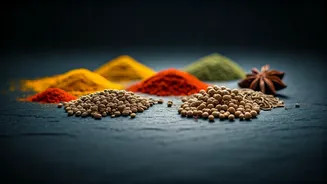
So what does “safer” eating mean in this context? It’s a holistic concept. First, it’s about food safety in a literal sense. Khichdi is always served hot, and its ingredients are boiled for an extended period, a process that helps neutralize potential pathogens that might thrive in the damp monsoon environment. Eating cooked-to-order, warm food reduces the risk associated with raw or cold items that may have been exposed to contaminants. Second, “safer” refers to digestive safety. The combination of rice and lentils in khichdi is famously easy on the stomach. The ingredients are pre-soaked and cooked until soft, making them incredibly easy to digest and absorb. This gives the digestive system a much-needed break when it's already considered vulnerable. Spices like turmeric, ginger, and cumin, often added to khichdi, are also celebrated in Ayurveda for their anti-inflammatory and digestive properties, further enhancing the meal’s gentle, restorative power.
Bringing Khichdi Principles to Your Kitchen
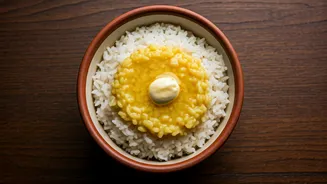
You don't need to live in a monsoon climate to benefit from this style of eating. The principles behind khichdi are universal, especially useful for those days when you feel run-down, bloated, or simply in need of a reset. Think of it as a tool for mindful eating. You can start by making a basic version at home: simply cook equal parts white rice and split yellow moong dal with double the amount of water, a pinch of turmeric, and salt until it reaches a porridge-like consistency. A classic finishing touch is a *tadka*—a teaspoon of ghee or oil heated with cumin seeds and perhaps a pinch of asafoetida, then drizzled over the top. Even if you don't make the dish itself, you can adopt the philosophy. When you feel your digestive system is sluggish, opt for simple, warm, cooked foods over complex, cold, or raw meals. It’s a gentle way to listen to your body and give it the simple nourishment it craves.