



The Glow-Up in the Beverage Aisle
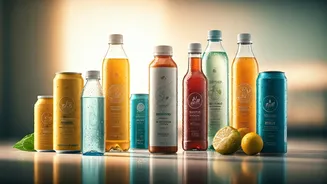
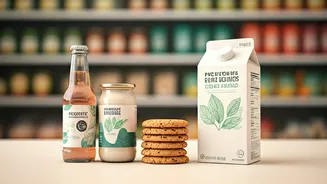
Walk down the drink aisle of any modern grocery store and you’ll notice a quiet revolution. The familiar landscape of sodas, juices, and teas is now populated by a new class of beverage: the “functional” drink. This isn't just about adding vitamins anymore.
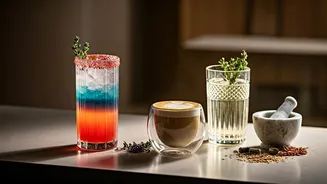
Your seltzer might now contain ashwagandha to manage stress. Your coffee may be infused with lion’s mane mushroom for focus. Even your nostalgic, brightly-colored soda has a sophisticated cousin packed with prebiotics and apple cider vinegar. These drinks are designed to do more than just hydrate or caffeinate. They promise to optimize your body and mind, turning a simple sip into an act of strategic self-care. Brands like Olipop, Poppi, Recess, and MUD\WTR are leading the charge, transforming mundane beverages into elixirs marketed to enhance mood, sharpen focus, or support gut health. They’ve taken the wellness industry’s obsession with bio-hacking and optimization and made it as easy as cracking open a can.
Why Your Drink Suddenly Has a Resume
This trend isn’t happening in a vacuum. It’s the perfect storm of several cultural shifts. After years of confronting health anxieties, many Americans are seeking more control over their well-being. They’re looking for small, manageable ways to feel better, and what’s easier than swapping your usual Diet Coke for a “smarter” alternative? This movement, sometimes called “functional beverage 2.0,” is moving beyond the niche confines of health food stores and into the mainstream shopping carts at Target and Costco. The appeal lies in its convenience. Instead of swallowing a handful of supplements, you can get a dose of your desired wellness booster in a drink you were already going to have. It’s a low-effort, high-reward proposition that feels both indulgent and virtuous—the holy grail of modern consumerism.
Decoding the 'It' Ingredients
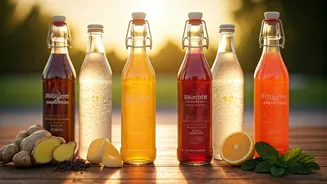
The labels on these new-wave drinks can read like an apothecary’s shopping list. Here’s a quick guide to the most common buzzwords: * **Adaptogens:** These are herbs and mushrooms believed to help the body resist, or “adapt to,” physical and mental stress. You’ll see ingredients like ashwagandha (for calming), rhodiola (for energy), and reishi mushroom (for immune support and relaxation). * **Nootropics:** Often called “smart drugs” or cognitive enhancers, these are compounds that may improve brain function. L-theanine, an amino acid found in green tea, is a popular addition for promoting calm focus, while Lion’s Mane mushroom is included for its purported benefits to memory and concentration. * **Prebiotics and Probiotics:** These are all about gut health. Probiotics are the “good” bacteria, while prebiotics are the fiber that feeds them. You’ll find them in a new generation of sodas that promise to support a healthy digestive system, a far cry from the sugary drinks of the past.
But Does a Calming Soda Actually Work?
Here’s the billion-dollar question. While ingredients like L-theanine and caffeine have well-studied effects, the science behind many other functional additives is still emerging or based on traditional use rather than large-scale clinical trials. The dosage in a single canned drink can also be far lower than what’s used in scientific studies. However, the power of ritual and placebo shouldn't be underestimated. The act of choosing a beverage specifically to help you relax or focus can itself be a powerful psychological tool. When you intentionally sip a drink you believe will calm you down, you’re already priming your brain for that outcome. The experience is the product. You’re not just buying a drink; you’re buying a moment of intention, a feeling of being in control of your day. It’s less about a guaranteed biological outcome and more about giving your daily routine a sense of purpose and, yes, main character energy.