




The Rise of Boutique Biology
Walk down any health food aisle and you’ll be bombarded with language that sounds like it was lifted from a graduate-level biology textbook. We’re told to combat 'dysbiosis' (an imbalance of gut microbes), seek out specific 'psychobiotics' (bacteria that may
affect mood), and supplement with 'postbiotics' (the metabolic byproducts of probiotics). These terms aren’t necessarily fake—they often describe real biological processes—but their use in marketing is designed to do one thing: create a problem you didn’t know you had, then sell you the hyper-specific, expensive solution. This transformation of basic biology into a boutique consumer category creates needless anxiety. It suggests that your body is a fragile, complicated machine that you are unqualified to manage without a glossary and a credit card. It’s an effective sales tactic, but it’s a terrible way to approach personal health.
What Your Gut Actually Wants
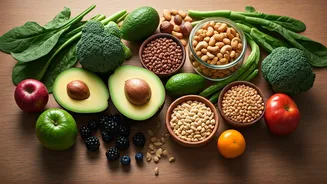
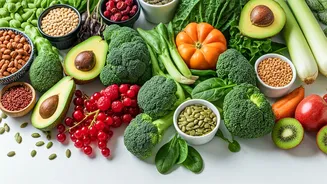
Let’s cut through the noise. Your gut microbiome—the trillions of tiny organisms living in your digestive tract—doesn’t need you to memorize Latin names or track metabolite production. It thrives on very simple, timeless principles. The most important one is dietary diversity. Eating a wide variety of plants feeds a wide variety of beneficial microbes, creating a robust and resilient internal ecosystem. The second principle is fiber. This is the stuff that wellness influencers now call 'prebiotics.' But you don't need a special powder for it. Fiber is abundant in vegetables, fruits, whole grains, nuts, and legumes. Think of it as the preferred food for your good gut bacteria. When they eat fiber, they produce beneficial compounds—the very 'postbiotics' that companies are now trying to bottle and sell back to you. Your body already knows how to get them, and it does so for the price of an apple or a bowl of oatmeal.
Ditch the Dictionary, Grab a Fork
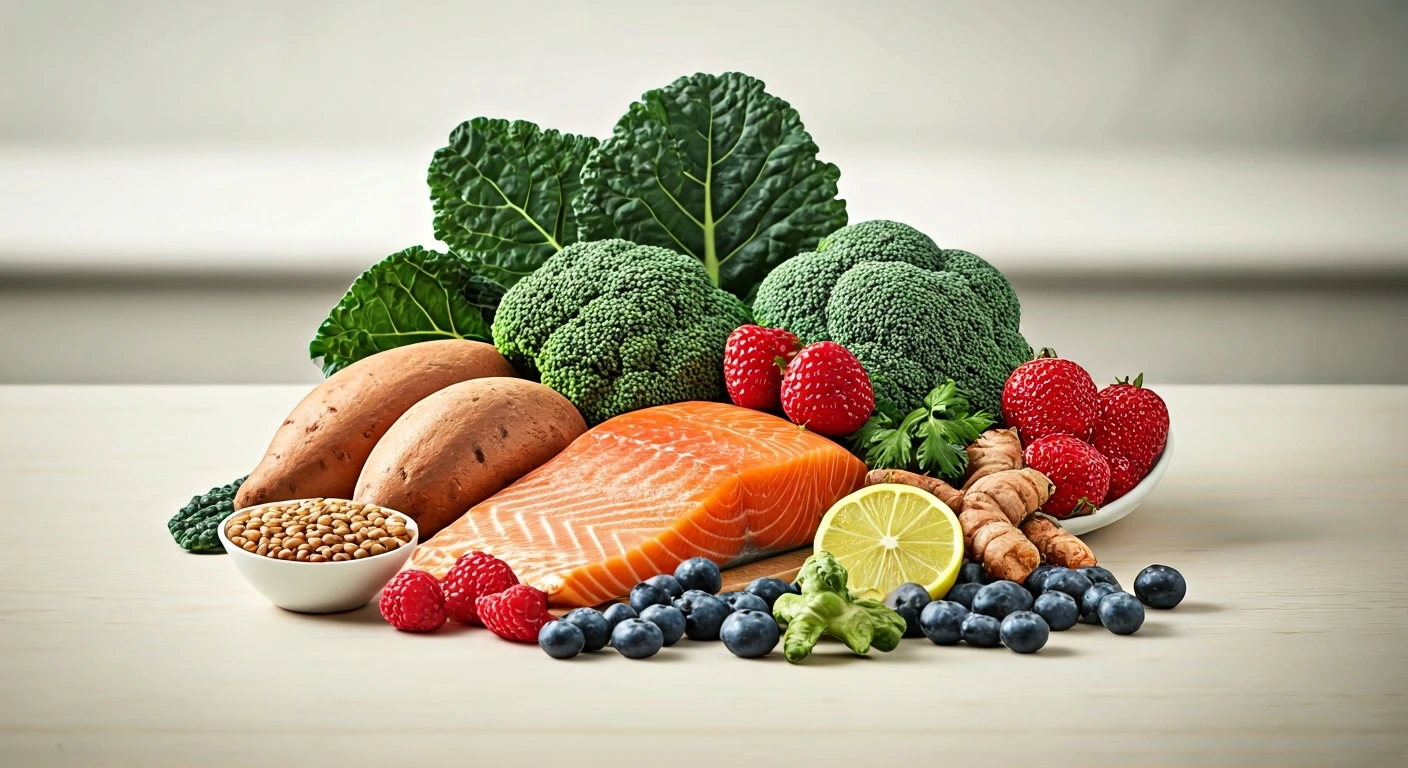
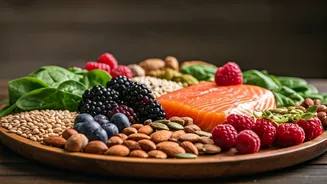
The wellness jargon creates a false hierarchy of foods. Suddenly, a simple onion or a clove of garlic is less impressive than a supplement containing 'fructooligosaccharides.' But they’re the same thing. Kimchi and sauerkraut become less appealing when you can buy a pill with a specific, lab-grown strain of *Lactobacillus*. The truth is that whole foods offer a complex, synergistic blend of nutrients that can’t be replicated in a capsule. The fiber in a banana, the polyphenols in berries, and the live cultures in a spoonful of plain yogurt work together in ways science is still just beginning to understand. Instead of worrying if you’re getting the right 'biotic,' ask a simpler question: Am I eating a colorful variety of real foods? The answer to that question is far more impactful on your gut health than whether your supplement has the trendiest new ingredient.
The Plain-English Probiotic
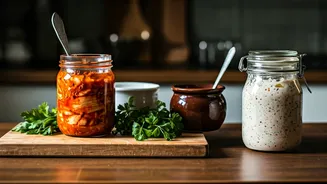
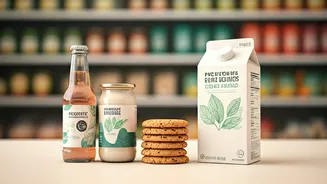
Probiotics are a prime example of this phenomenon. They are simply live, beneficial bacteria. While specific strains are studied for specific conditions, for general gut health, the goal is not to find a single 'hero' strain. It’s to support a thriving community. Fermented foods are the original, time-tested probiotics. Yogurt, kefir, kombucha, miso, and kimchi have been part of human diets for centuries, long before we could isolate and name the microbes inside them. They are naturally rich in diverse bacteria and are far more affordable than a 30-day supply of refrigerated capsules promising a very specific bacterial count. Choosing a good-quality plain yogurt with 'live and active cultures' on the label is one of the most effective, evidence-backed things you can do for your gut. No Ph.D. required.