




A Postcard from the Past
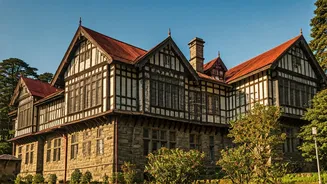
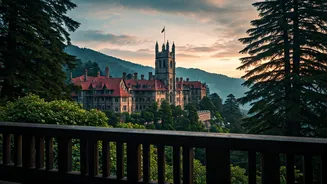
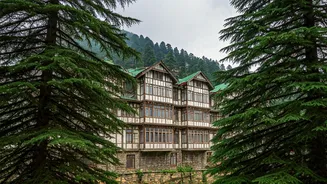
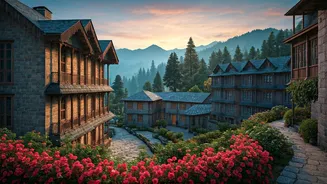
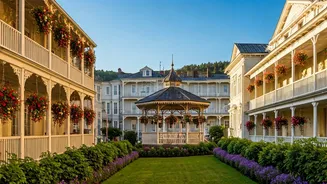
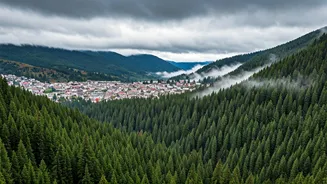
Imagine stepping into a different era. The air is crisp, pine-scented, and carries the faint echo of a colonial past. This is Shimla, a hill station perched nearly 7,500 feet above sea level. Its very bones are British: gabled Tudor-style houses, neo-Gothic
administrative buildings, and the iconic Christ Church with its stained-glass windows standing sentinel over the valley. For nearly a century, this was the summer capital of the British Raj, the seat of power for an empire, where English viceroys and their entourages fled the scorching heat of the Indian plains. The architecture tells this story—from the imposing Viceregal Lodge, where major decisions about the subcontinent were made, to the Gaiety Theatre, which once hosted London's finest actors. This historical backdrop isn’t just a dusty relic; it’s an immersive, atmospheric stage.
The New Pilgrimage
Once a retreat for British officials and later a quiet destination for Indian families, Shimla is now experiencing a seismic demographic shift. Its streets, particularly the famed pedestrian-only Mall Road, are thronged with young adults from India’s sprawling metropolitan hubs like Delhi, Mumbai, and Bangalore. This is the “multi-city youth”—a generation raised on global trends, connected by smartphones, and hungry for experiences that offer both an escape and a story. Unlike their parents, who might have sought quietude, this crowd is drawn by the energy. They arrive in groups, their style a blend of fast fashion and mountain-ready gear, turning the historic promenade into a vibrant, modern runway. They’re not just visiting; they’re taking over, redefining the town’s rhythm with their own.
The Instagram Effect
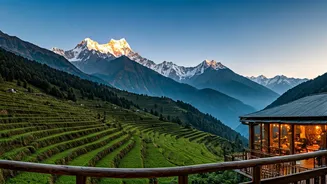
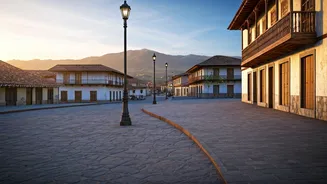
In an age where travel is often filtered through a camera lens, Shimla is cinematic gold. The appeal is deeply aesthetic. The contrast of a sharply dressed young person against a weathered, moss-covered colonial building is perfect content. The winding streets, vintage-looking lampposts, and panoramic mountain views provide a ready-made, high-production-value backdrop for Instagram Reels and TikTok videos. Young travelers are documenting everything: the steam rising from a cup of tea at a local dhaba, the walk through the deodar forests, the colonial-era signs on old shops. For many, the journey is as much about capturing the perfect shot as it is about the experience itself. This visual appeal has created a powerful feedback loop: the more Shimla appears on social feeds, the more people are inspired to make the pilgrimage themselves, seeking to recreate the aesthetic in their own way.
A Craving for Authenticity and Escape
Beyond the visuals, the trend speaks to a deeper yearning among India's urban youth. Life in major Indian cities is a relentless churn of traffic, pollution, and competition. Shimla offers a tangible break. The vehicle-free Mall Road provides the simple luxury of being able to walk freely, to breathe clean air, and to slow down. Furthermore, the town represents a form of accessible nostalgia. It’s a connection to a complex past that feels both foreign and intrinsically Indian. Cozy cafes have sprung up in old buildings, serving artisanal coffee alongside traditional Himachali food. These spots become hubs for conversation and connection, blending modern cafe culture with a sense of place. This isn't just about escaping the city; it's about finding a different, more grounded version of reality, even if only for a weekend.