
A Rebellion Against Restraint
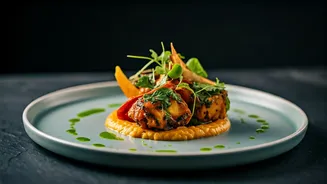
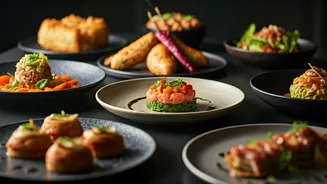
For years, the pinnacle of fine dining was often associated with minimalism and abstraction. Think tiny, precise portions, stark white plates, and concepts that required a lengthy tableside explanation. But a growing number of chefs are pushing back,
leading a delicious rebellion rooted in generosity and pure, unadulterated satisfaction. This new movement is a direct response to what some see as the overly intellectualized, almost sterile experience of molecular gastronomy. Instead of deconstructing flavors to their scientific essence, these chefs are reconstructing joy. They’re choosing richness over restraint and embracing the comforting, enveloping power of a perfectly executed classic. It’s a pendulum swing back toward food that’s meant to be enthusiastically eaten, not just contemplated.
Not Your Grandma's Recipe
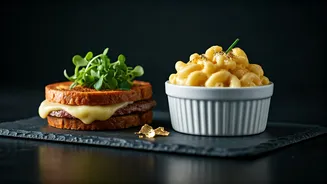
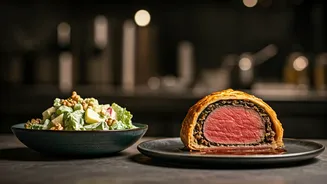
To be clear, this isn’t a simple exercise in culinary plagiarism. No one is just photocopying a recipe from a 1970s community cookbook. The revival of old-school flavors is about reinvention, not repetition. Chefs are applying modern techniques and a global pantry to elevate these classics far beyond their humble origins. A Waldorf salad might reappear, but with paper-thin slices of heirloom apple, candied walnuts spiced with cardamom, and a celery root purée instead of a mayonnaise-heavy dressing. Duck à l Orange is shedding its reputation for cloying sweetness, now featuring a complex, bittersweet sauce made with artisanal vinegar and rare citrus. It’s a delicate balancing act: honoring the soul of the original dish while executing it with the precision, quality ingredients, and lighter touch that today’s diners expect. The goal is to evoke the memory of a flavor, but make the experience better than you remember.
The Search for Authentic Comfort
It’s impossible to separate this trend from the cultural moment. In an era of digital saturation, political anxiety, and constant change, there is a powerful collective craving for comfort and authenticity. Nostalgic foods are a culinary security blanket. They connect us to a perceived past that feels simpler and more stable—a time of family dinners, celebratory meals, and straightforward pleasures. A slice of a towering coconut cake or a shared platter of Oysters Rockefeller offers more than just calories; it offers a potent dose of emotional resonance. For diners, it's a taste of personal history. For chefs, it's a way to create a genuine connection, moving beyond fleeting trends to tap into the foundational flavors that shaped the American palate.
A New Test of Technical Skill
Ironically, mastering these “simple” classics is often a greater test of a chef’s technical skill than creating an abstract dish from scratch. There’s nowhere to hide in a Beef Wellington. The pastry must be flaky, the duxelles perfectly seasoned, the beef cooked to a flawless medium-rare from edge to edge. A classic like that comes with decades of diner expectation. Mess it up, and everyone knows. Nailing a legacy dish requires a deep understanding of fundamental techniques—sauce-making, pastry work, butchery—that can get lost in an over-reliance on lab equipment like immersion circulators and liquid nitrogen. By tackling these recipes, chefs are not just showing off; they are engaging in a dialogue with culinary history and proving their mastery over the foundational pillars of their craft.