



The Allure of the Instant Fix
Let’s be honest: fitness hacks are seductive. They promise maximum results with minimum effort, tapping into our universal desire for an easy button. A 'five-minute miracle workout' that sculpts your entire body or a gadget that promises to 'shock' your abs
into a six-pack while you watch TV sounds incredible. The problem? They prey on insecurity and a fundamental misunderstanding of how the human body works. These 'hacks' are the empty calories of the fitness world—they look appealing and offer a quick hit of hope, but provide zero long-term nourishment. The reason they’re so popular is that they sell a destination (a perfect body, instantly) without acknowledging the journey. But more and more people are realizing that the journey is where the real results are found.
Hack: Spot Reduction | Reality: Total-Body Effort
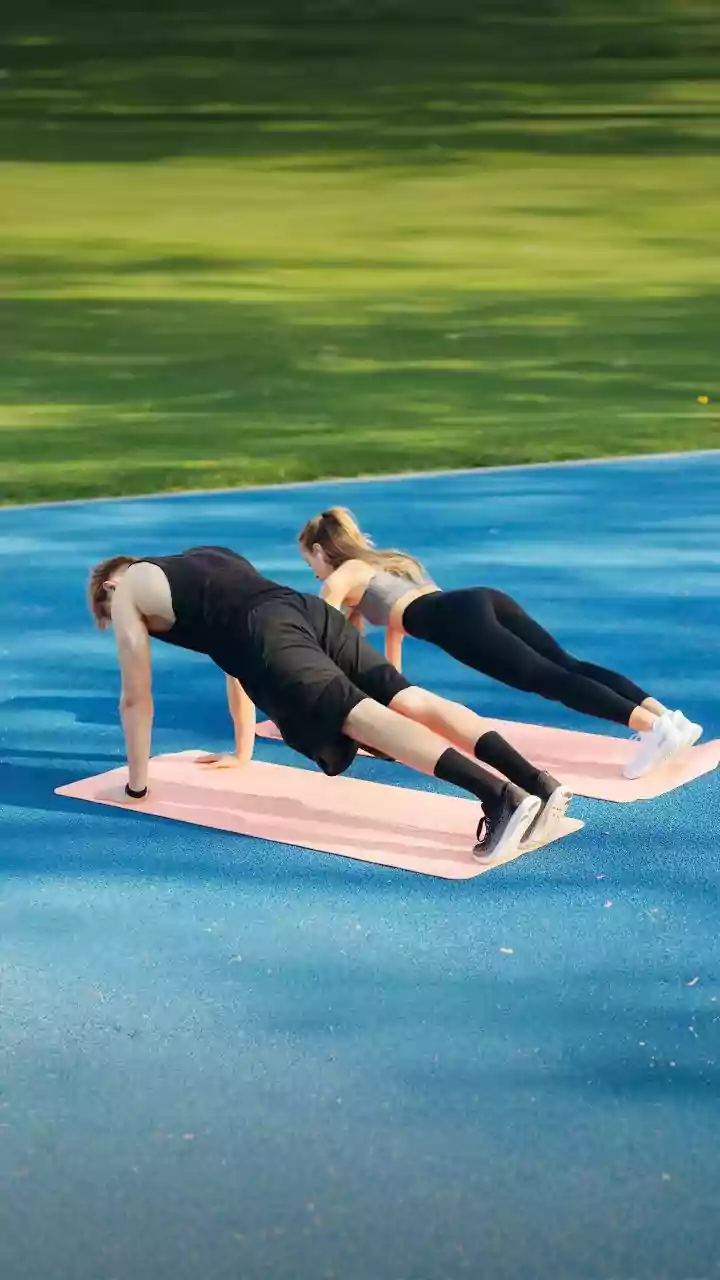
The most enduring fitness myth is that you can 'spot reduce' fat from a specific body part. Do 1,000 crunches, get flat abs. Do endless tricep kickbacks, lose the arm jiggle. It's a comforting lie, but it’s a lie nonetheless. Your body loses fat systemically, meaning it draws energy from all over, not just from the muscles you're working. Real training understands this. Instead of isolating one 'problem area' into oblivion, effective programs focus on compound movements—like squats, deadlifts, push-ups, and rows—that engage multiple muscle groups at once. This not only builds functional strength but also burns more calories, contributing to overall fat loss. The aesthetic result you want for your stomach is actually earned by training your whole body, supported by sound nutrition. It’s less glamorous than a 'belly fat blaster' workout, but it’s the only thing that actually works.
Hack: Passive Gadgets | Reality: Progressive Overload
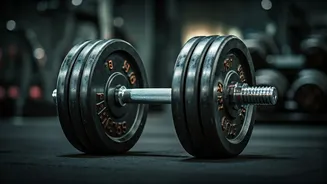
From vibrating belts to thigh-squeezing contraptions, the market is flooded with devices that promise to do the work for you. The pitch is that you can build muscle passively. But the single most important principle for building strength and changing your body composition is progressive overload. This simply means you must continually challenge your muscles to do more than they’re used to, whether by lifting heavier weight, doing more reps, or reducing rest time. Your muscles don’t grow because a machine jiggles them; they grow because they are forced to adapt to stress. Real training isn’t about finding a magic tool. It’s about using simple, effective tools—dumbbells, barbells, resistance bands, or even just your own bodyweight—with intention and a plan for gradual progression. The satisfaction comes from earning it, not buying it.
Hack: The 7-Day Shred | Reality: Unsexy Consistency
The 'bikini body in a week' challenge is a rite of passage in the fake fitness world. It usually involves extreme calorie restriction and grueling, unsustainable workouts. You might lose a few pounds (mostly water weight and glycogen), feel miserable, and then gain it all back the second you return to normal life. This cycle of extreme effort and burnout is demoralizing and ineffective. Real training flips the script. The goal isn’t to survive a week of hell; it’s to build habits you can maintain for a lifetime. Showing up for a 30-minute workout three times a week, every week, for a year will produce infinitely better results than a handful of '7-day shreds' scattered throughout the year. Consistency is the least sexy, most powerful force in fitness. It’s about making 'good enough' a regular practice, not chasing perfection in short, painful bursts.
Finding Your 'Real Training'
So, what does 'real training' look like for the average person? It’s not about becoming a professional athlete. It’s about finding a form of movement you genuinely enjoy (or at least don’t despise), learning to do it with good form, and showing up for yourself consistently. It could be lifting weights, taking dance classes, hiking, mastering yoga, or running in the park. The focus shifts from a purely aesthetic outcome to performance-based goals: running a little farther, lifting a little heavier, holding a pose a little longer. When you focus on what your body can *do*, the physical changes become a welcome side effect of your newfound competence and confidence.