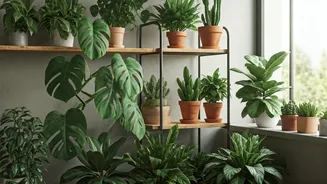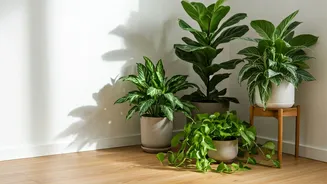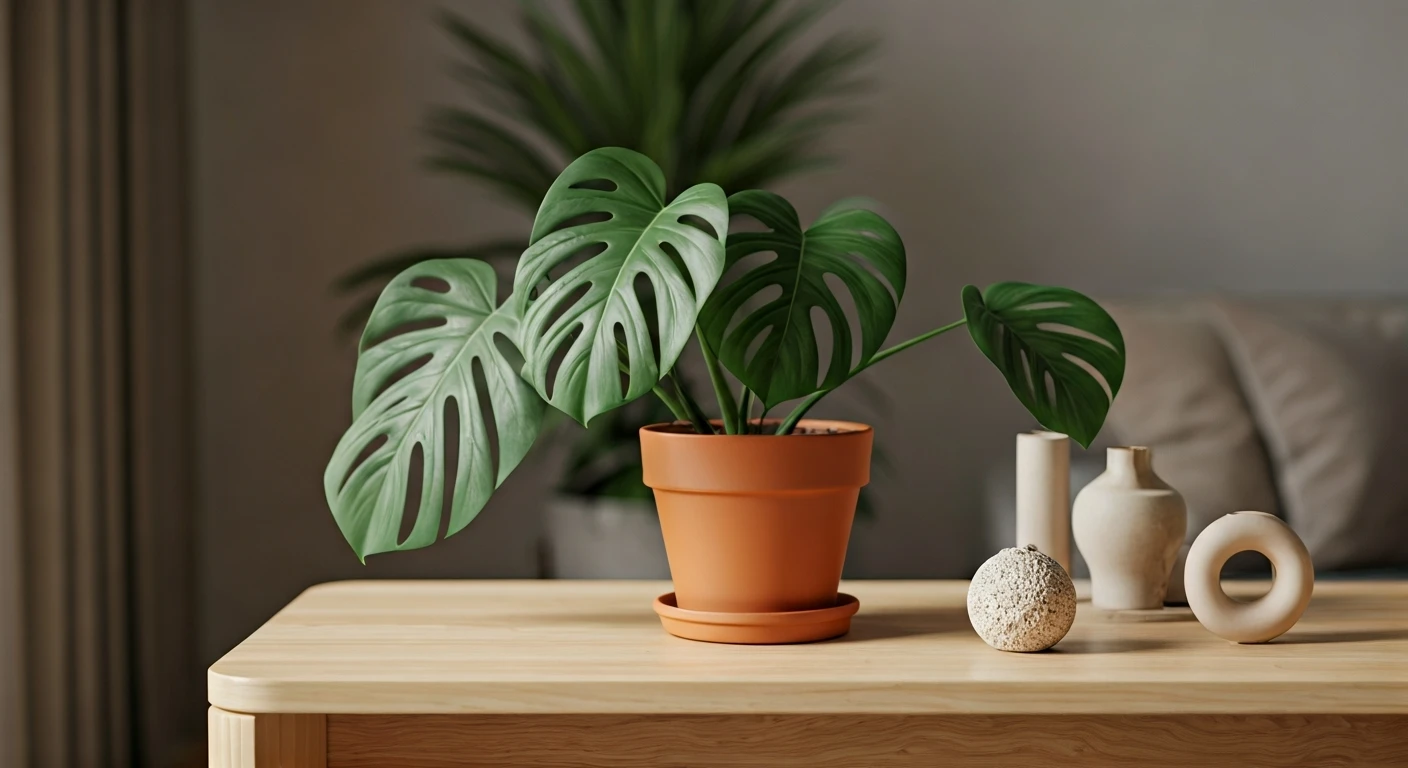


1. It's About Wellness, Not Just Wealth
For generations, home decor was often a quiet signal of taste and status—a vintage find here, an expensive sculpture there. Today, the focus has shifted inward. The concept of 'biophilia,' our innate tendency to seek connections with nature, has moved
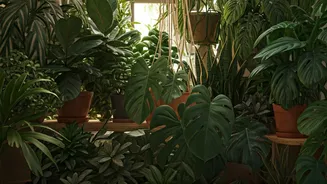
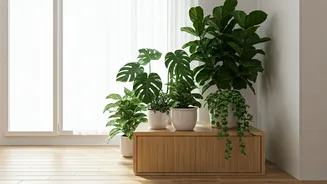
from a niche scientific theory to a mainstream design principle. Studies have repeatedly shown that being around plants can reduce stress, lower blood pressure, and improve focus. In an era of rampant burnout and digital fatigue, bringing a living, breathing organism into your home isn't just decoration; it's a form of self-care. A thriving Monstera isn't a status symbol for your wallet, but a testament to a peaceful, well-tended environment.
2. A Tangible Antidote to Digital Life
We spend our days staring at screens, navigating abstract digital worlds, and communicating through filtered profiles. A plant is refreshingly, stubbornly real. It requires tangible care: water, light, and attention. You can’t swipe away a thirsty Fiddle Leaf Fig. This ritual of care provides a grounding counterpoint to an otherwise ephemeral existence. The slow, patient process of watching a plant unfurl a new leaf offers a different kind of satisfaction than getting a 'like' on a post. It’s a quiet rebellion against the immediacy and disposability of the internet age, a commitment to something slow and alive.
3. The New 'Statement Piece' Is Alive
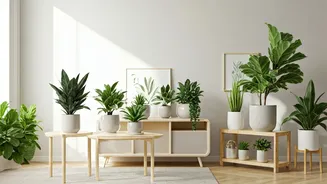
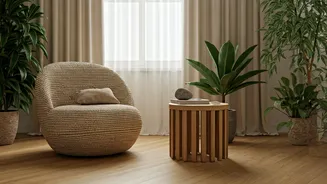
Every design-savvy homeowner once coveted a statement piece—a bold armchair, a large-scale abstract painting, or a dramatic light fixture. Now, that role is often filled by a plant. A towering Bird of Paradise in a corner can anchor a room with more architectural grace than a floor lamp. A cascade of Pothos vines trailing down a bookshelf adds dynamic energy that a static object can't replicate. Unlike mass-produced decor from a big-box store, each plant is unique. Its specific shape, pattern of growth, and imperfections make it a one-of-a-kind piece of living art that evolves with your home.
4. Sustainability and Affordability Collide
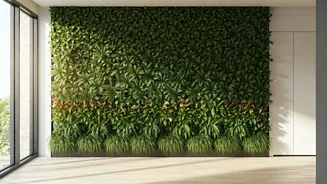
The conversation around fast fashion is expanding to 'fast furniture'—cheaply made, trend-driven decor that clutters landfills once its brief moment in the sun is over. Many are turning to plants as a more sustainable alternative. A $15 Snake Plant can provide years of beauty and air-purifying benefits, outlasting a dozen trendy ceramic objects. Propagating new plants from cuttings is a free way to expand a collection or share with friends, fostering community and bucking consumerism. While rare collector plants can be expensive, building a lush indoor jungle is far more accessible for most people than acquiring a collection of fine art or designer furniture.
5. It Tells a More Interesting Story
Random room decor often tells a story of a shopping trip. A plant tells a story of care, growth, and resilience. It shows you're capable of nurturing something. That cutting from your grandmother’s spider plant connects you to your family history. The succulent you managed to revive from the brink is a tiny trophy of your perseverance. Our homes are extensions of ourselves, and filling them with living things suggests a dynamic, growing life. It’s a shift from curating a static museum of bought objects to cultivating a living, breathing ecosystem that reflects our own journey.