

What is a Soil-Free Plant?
At its core, a soil-free setup is exactly what it sounds like: growing plants without traditional potting mix. It might seem like plant heresy, but soil’s main job is simply to act as a delivery system. It holds the plant upright, retains moisture, and
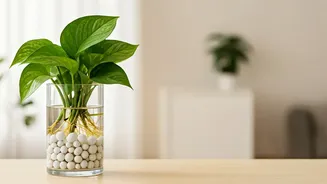
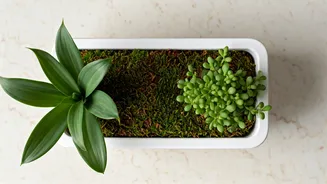
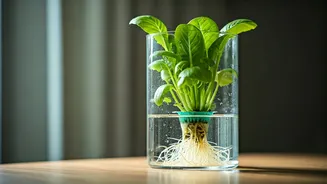
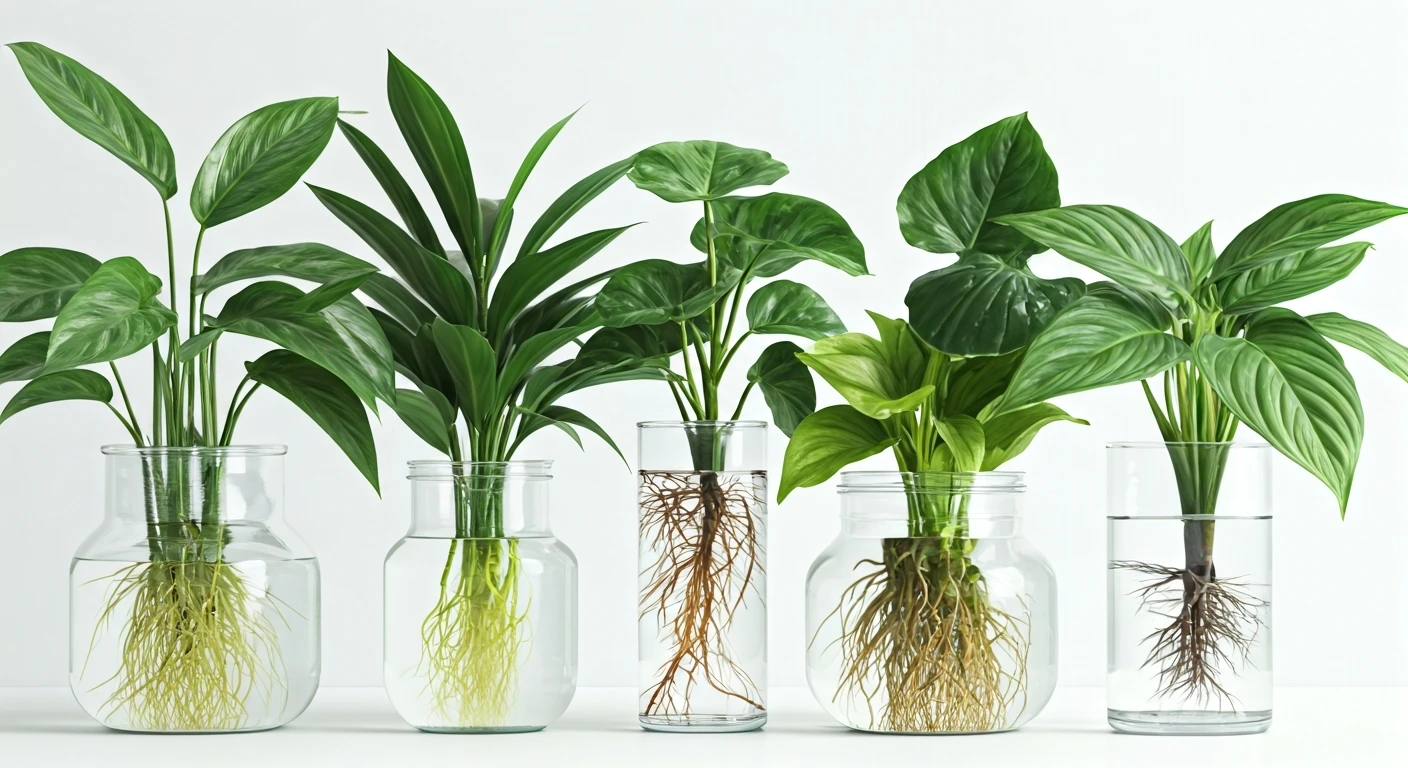
provides a structure for roots to access water and nutrients. Soil-free methods, often lumped under the umbrella of hydroponics, just use a different delivery system. For home growers, this usually means semi-hydroponics, a passive system where plants sit in an inert medium like clay pebbles or perlite, which then wicks a nutrient-water solution up to the roots. Instead of digging around in dirt to check moisture, you’re often just peeking at a water reservoir. It’s a shift in process that swaps the unpredictability of soil for the controlled, clean environment of water and minerals.
The 'Clean Home' Advantage
The primary appeal is right there in the name: it's clean. First, there’s the absence of dirt. No more sweeping up potting mix after a clumsy watering session or repotting disaster. No more mysterious dirt smudges on the white rug. For anyone who prizes a tidy home, this is a game-changer. But the bigger win for many plant parents is freedom from soil-borne pests. Those annoying little fungus gnats that swarm out of your pots? They live and breed in the top layer of damp soil. Eliminate the soil, and you eliminate their home. The same goes for other creepy-crawlies that can turn a beautiful indoor jungle into a stressful battleground. Growing in an inert medium like clay or perlite radically reduces the risk of infestation, making plant ownership feel more like a joy and less like a chore.
LECA: The Instagram-Famous Medium
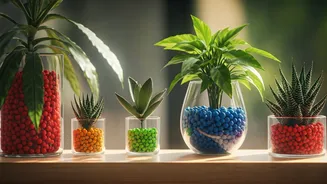
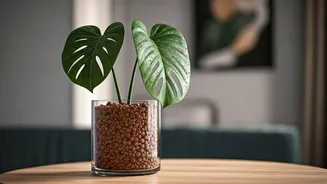
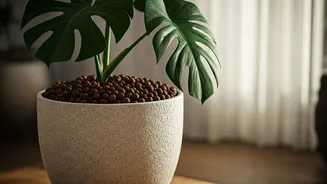
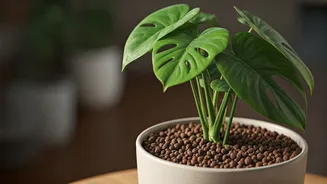
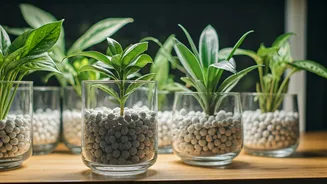
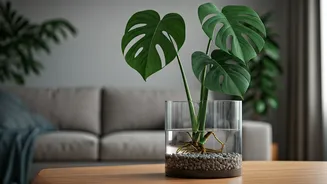
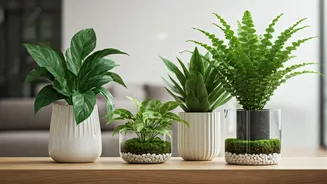
Scroll through any plant-centric social media feed and you’ll see them: beautiful glass jars filled with uniform, reddish-brown clay balls, with a healthy plant thriving on top. This is LECA, or Lightweight Expanded Clay Aggregate. These porous pellets are the star players in the home semi-hydroponics scene. Here’s how it works: You place a plant (with its roots cleaned of all soil) into a pot filled with LECA. This pot, which usually has drainage holes, is then placed inside a larger, non-draining pot (a cachepot) that holds a reservoir of water mixed with a special hydroponic fertilizer. The LECA wicks the nutrient solution up to the roots as needed. This creates a highly oxygenated and consistently moist environment that many common houseplants, like aroids (Monstera, Pothos, Philodendron), absolutely love. The visual appeal is undeniable—it’s structured, modern, and looks incredibly intentional.
Getting Started Without the Stress
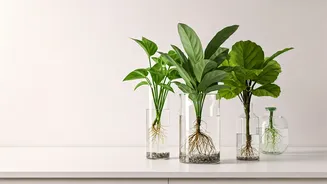
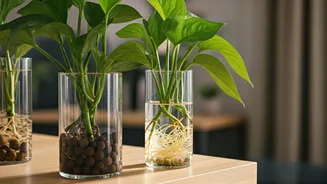
The idea of switching a beloved plant from soil to a new medium can be intimidating. The key is to start small and manage expectations. The easiest entry point is water propagation. Taking a cutting from a Pothos or Philodendron and rooting it in a vase of water is, technically, soil-free gardening. Many of these cuttings can live happily in water for months or even years, making for a beautiful, minimalist display. To try LECA, start with an easy-to-propagate plant or a small, inexpensive one you’re not too attached to. The transition is the hardest part. You must meticulously clean every speck of soil from the roots—any remaining organic matter can rot and cause problems. Once cleaned, place the plant in LECA and follow the standard reservoir method. It may take a few weeks for the plant to adapt and grow new “water roots,” but the long-term payoff is a resilient, low-mess plant.
Is It Really a 'Flex'?
In a way, yes. A successful soil-free collection signals a certain level of dedication and know-how. It shows you’ve moved beyond basic plant care and are invested in optimizing your hobby. It’s a flex that says, “I not only keep plants alive, but I also curate them in a clean, sophisticated, and pest-free way.” It merges the wellness trend of biophilic design with the minimalist aesthetic, creating a living space that feels both lush and impeccably controlled. It’s less about showing off an expensive plant and more about showing off your mastery of a cleaner, smarter way to grow.