


First, Where Is Uttarakhand?
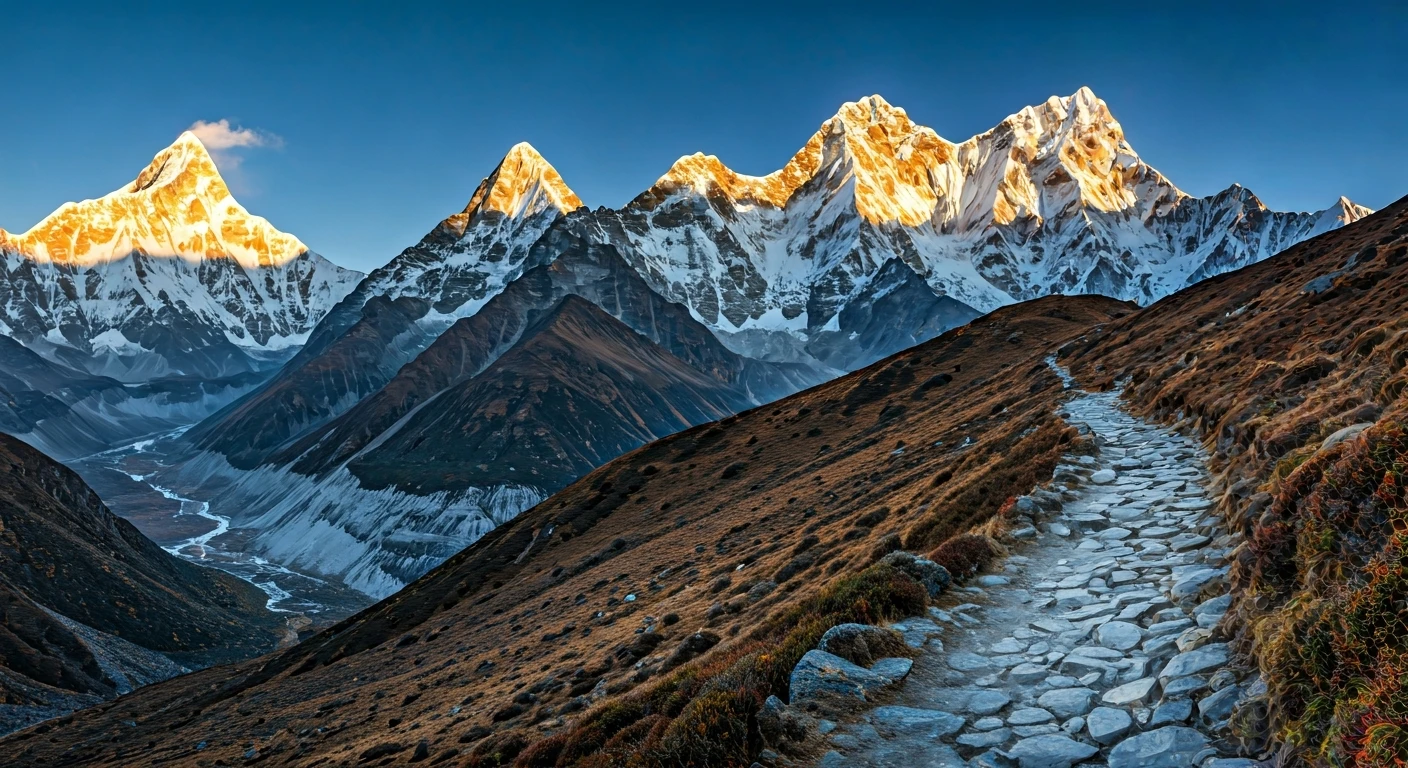
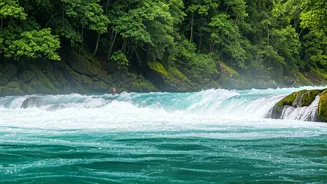
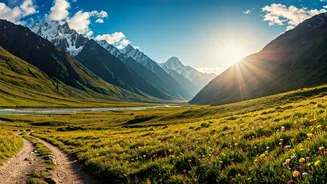
For most Americans, the state of Uttarakhand may not ring a bell, but in India, it’s legendary. Tucked against the border of Tibet and Nepal, this is the Himalayan foothills, a dramatic landscape of soaring peaks, roaring rivers, and deep, forested valleys.
Often called ‘Devbhumi’ or ‘Land of the Gods,’ it’s one of India’s most important spiritual centers, home to sacred pilgrimage sites and the source of the revered Ganges River. It’s also the home of Rishikesh, the city that famously hosted The Beatles in 1968 and has since become the unofficial yoga capital of the world. But beyond its spiritual and wellness credentials, Uttarakhand harbors a natural phenomenon that is drawing a new wave of global attention.
The Spectacle of the Bloom
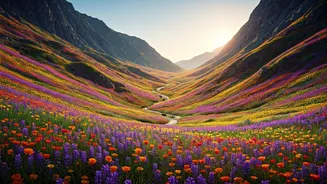
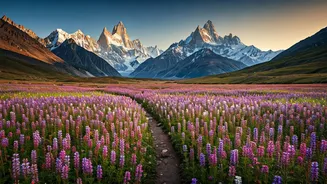
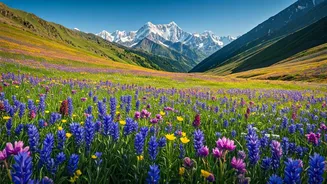
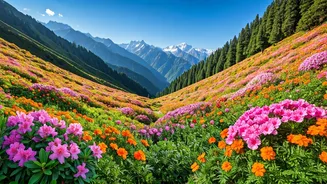
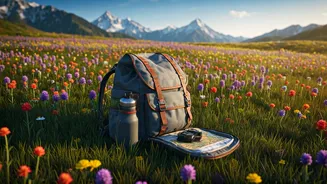
The “bloom season” in Uttarakhand isn’t a single event but a rolling wave of floral glory. It begins in the spring, from late February to April, when vast forests of rhododendron trees ignite the hillsides. Forget the manicured bushes in suburban backyards; these are wild, towering trees that explode in shades of crimson, pink, and white, creating a surreal contrast against the backdrop of snow-capped peaks. This early bloom serves as an appetizer for the main course. The main event arrives with the monsoon rains in July and August. High in the mountains lies a place so magical it’s a UNESCO World Heritage site: the Valley of Flowers. For most of the year, this pristine alpine meadow is buried under snow. But for a few short months, it transforms into a breathtaking carpet of over 500 species of wildflowers, including the iconic blue poppy, cobra lily, and countless others. It’s a trek to get there, but those who make the journey are rewarded with a scene of almost impossible beauty, a natural art installation on a monumental scale.
Why Is It Trending Now?
So, why is Uttarakhand suddenly “back in chats”? The answer lies in a perfect storm of accessibility and visibility. In recent years, India has invested in improving infrastructure in its mountain states, making remote areas like the Valley of Flowers slightly easier to reach for dedicated travelers. More importantly, the rise of visual social media has given this remote spectacle a global stage. The sheer, vibrant beauty of the bloom is tailor-made for Instagram reels and travel vlogs. A jaw-dropping photo of a crimson rhododendron forest or a panoramic shot of the Valley of Flowers is potent social media currency. As more travelers and photographers share their experiences online, they create a powerful feedback loop of inspiration, fueling a desire for others to see it for themselves. The hashtag #ValleyOfFlowers pulls up a seemingly endless scroll of dreamlike images, turning a remote Himalayan trek into an aspirational, must-see destination for a new generation of adventurers.
More Than Just Pretty Flowers
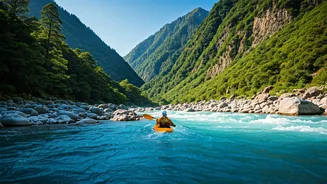
The buzz around the bloom is about more than just aesthetics; it represents a deeper trend in travel toward authentic, nature-based experiences. After years of being cooped up, travelers are seeking out wide-open spaces and moments of genuine wonder. Uttarakhand delivers this in spades. The journey to see the flowers is as much a part of the experience as the destination itself—a chance to disconnect, trek through stunning landscapes, and witness the raw power of the natural world. The renewed interest also brings vital tourism revenue to local communities. While this has its own challenges, including the need for sustainable practices to protect the fragile alpine ecosystem, it provides a crucial economic lifeline to the region. Beyond the blooms, the state offers world-class trekking, white-water rafting on the Ganges, and countless opportunities for quiet contemplation, making it a well-rounded destination for the mindful traveler.