


The Rise of the ‘Hygge’ Hideaway
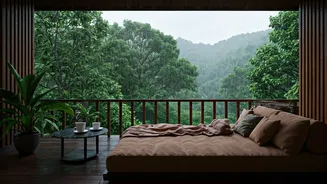
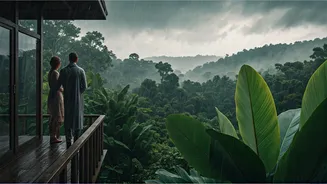
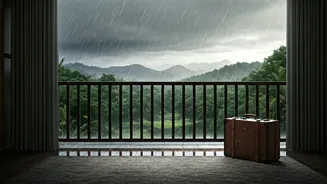
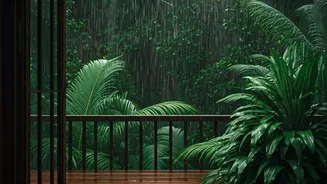
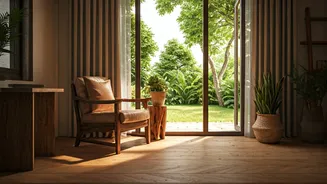
Hospitality has caught on to the simple joy of watching a storm from a comfortable perch. Hotels and resorts in monsoon-prone regions are no longer just offering a roof; they're curating an experience. Think less 'stuck inside' and more 'sanctuary from the storm.'
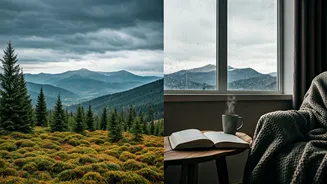
This upgrade means rooms with covered verandas perfect for rain-gazing, common areas with crackling fireplaces, and extensive libraries stocked with books. Some high-end properties in destinations like Kerala, India, or northern Thailand now offer 'monsoon packages' that include discounts, hot beverages on arrival, and menus featuring comforting, rainy-day foods. The focus is on creating a sense of 'hygge'—the Danish concept of cozy contentment—making the rain an essential part of the romantic, peaceful atmosphere.
Wellness Retreats Embrace the Downpour
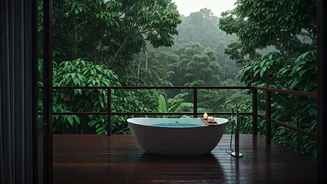
The rhythmic sound of rainfall isn't just background noise; for a growing number of wellness retreats, it’s a key therapeutic tool. Instead of being a disruption, the monsoon is incorporated into the program. Yoga and meditation sessions are held in open-air pavilions where the sound of rain enhances mindfulness and concentration. The smell of petrichor—the earthy scent produced when rain falls on dry soil—is considered part of the aromatherapy. These retreats reframe the rainy season as a time for introspection and renewal. The cooler temperatures and serene environment provide a natural backdrop for digital detoxes, spa treatments, and personal reflection, turning a potential travel negative into a profound positive.
Landscapes Come Alive in Dramatic Fashion
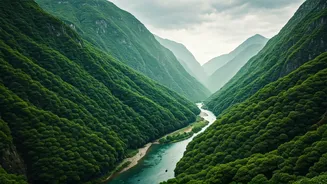
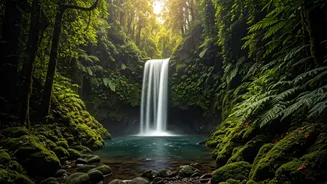
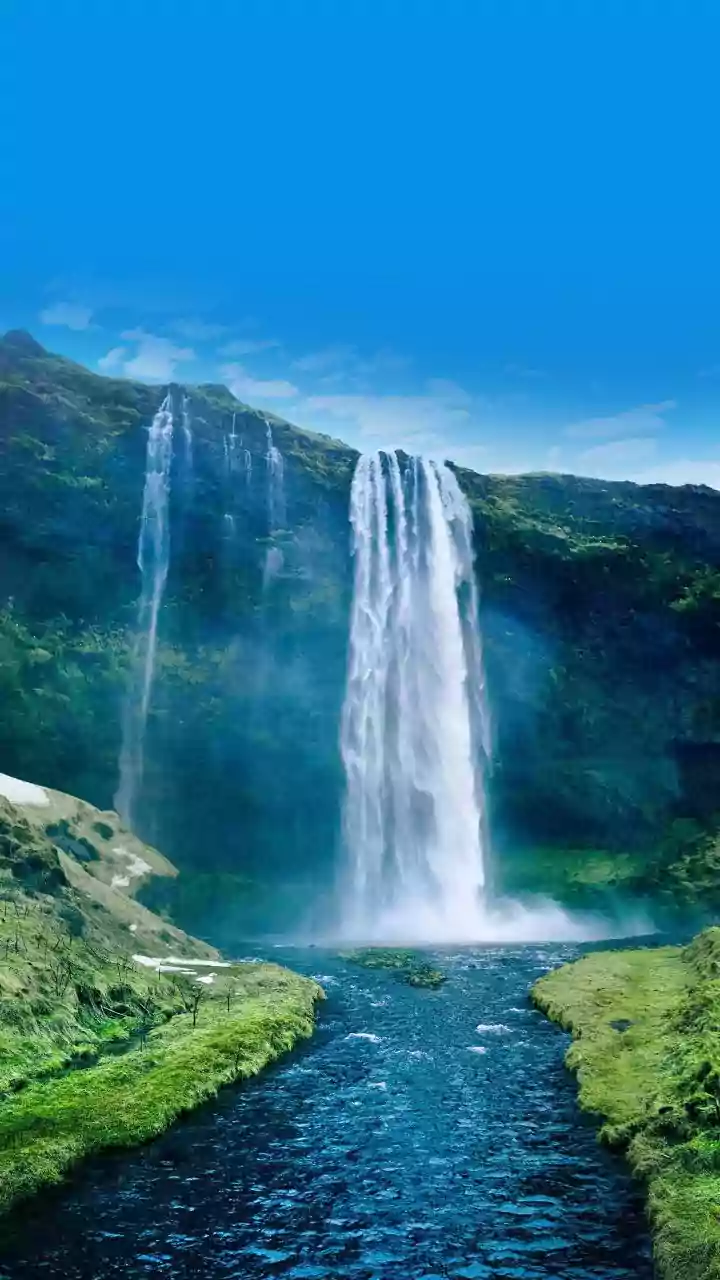
While dry season offers sunny skies, monsoon season offers something arguably more spectacular: nature in its most powerful and vibrant state. For photographers and nature lovers, this is the real peak season. The dust settles, revealing landscapes saturated in a thousand shades of green. Waterfalls that are mere trickles for most ofthe year become roaring spectacles. In the American Southwest, the summer monsoon transforms the arid desert, bringing dramatic cloud formations, spectacular lightning shows, and a burst of desert wildflowers. In Southeast Asia, the iconic rice paddies of places like Bali or Vietnam turn a brilliant, almost impossibly lush green. The cozy upgrade here is a mental one: seeing the rain not as an inconvenience but as the force that breathes life and drama into the scenery.
Fewer Crowds and Deeper Connections
One of the most significant upgrades of traveling during the so-called 'off-season' has nothing to do with amenities and everything to do with access. The hordes of tourists that can make popular sites feel overwhelming are gone. This provides a rare opportunity to experience landmarks, temples, and markets with a sense of quiet intimacy. You’re more likely to have a conversation with a local shopkeeper, get a table at a sought-after restaurant without a reservation, and wander ancient ruins in relative solitude. This slower, less crowded pace allows for a deeper connection to the place itself. The travel experience becomes less about ticking off a checklist and more about absorbing the authentic, everyday rhythm of a destination.
A Menu of Culinary Comforts
There's a reason we crave certain foods when it's cold and damp. The culinary world has long understood the power of a comforting meal on a rainy day, and travel is catching up. In monsoon destinations, the food scene often shifts to reflect the weather. Street food vendors in Mumbai offer piping hot chai and crispy pakoras. Restaurants in the mountains of Costa Rica serve rich, hearty stews. It’s the perfect time to indulge in cooking classes that focus on local comfort foods. The 'cozy upgrade' on your plate means seeking out these seasonal specialties, turning a meal into an event that complements the weather outside. It’s an invitation to slow down and savor the flavors that locals turn to when the skies open up.