


More Than Just a Shiver
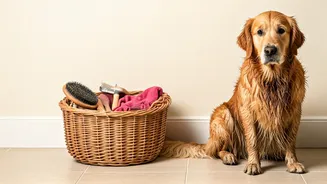
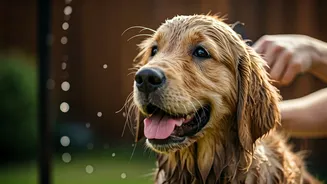
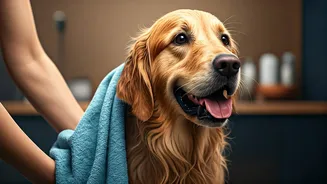
When your dog comes inside soaked, your first instinct is probably to grab a towel to prevent puddles and that classic wet-dog smell. You might worry about them getting a chill, and that's a valid concern, especially for small breeds, puppies, senior
dogs, or those with short, single-layer coats. Prolonged dampness can lower their body temperature and, in colder climates, contribute to hypothermia.But the more common and insidious threat isn't the cold itself; it's the micro-environment a damp coat creates directly against your pet's skin. Trapped moisture and warmth create a perfect breeding ground for bacteria and yeast, transforming your dog’s protective fur into a source of significant discomfort and medical trouble. This is the problem that can fester long after they’ve stopped shivering.
The Rise of the 'Hot Spot'
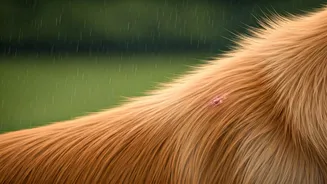
One of the most frequent and painful consequences of a damp coat is a condition veterinarians call pyotraumatic dermatitis, better known to pet owners as a “hot spot.” These are acute, rapidly developing skin infections that appear as red, moist, inflamed, and often hairless patches. They are incredibly itchy and painful for your dog.Here’s how it happens: moisture weakens the skin's natural defensive barrier. This allows normal skin bacteria, like Staphylococcus, to multiply unchecked. A minor itch—from a flea bite, an allergen, or simple irritation—can lead your dog to start licking, chewing, or scratching the area. This self-trauma further damages the skin, introducing more bacteria and creating a vicious cycle of inflammation and infection. What started as a damp patch of fur can become a raw, weeping sore in a matter of hours.
The Double-Coat Deception
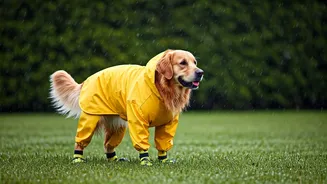
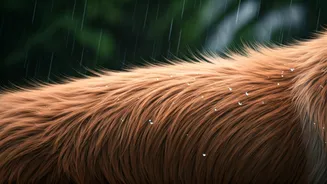
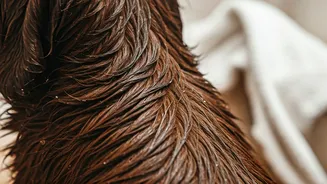
Owners of breeds like Golden Retrievers, German Shepherds, Huskies, and Bernese Mountain Dogs need to be particularly vigilant. These dogs have a dense, soft undercoat designed for insulation and a weather-resistant topcoat. This double-coat is fantastic for protecting them from the elements, but it also creates a unique challenge.The topcoat can feel dry to the touch, lulling you into a false sense of security. Meanwhile, the thick undercoat can remain saturated for hours, holding moisture directly against the skin like a wet sponge. This hidden dampness is the ideal scenario for hot spots and other infections to develop, completely out of sight until your dog starts showing signs of distress. It's not enough to quickly towel-dry the surface; you have to ensure the undercoat is dry, too.
Don't Forget Fungus and Irritation
Bacteria aren't the only culprits. Yeast, specifically a fungus called Malassezia, also lives on your dog's skin in small numbers. In the warm, humid environment of a damp coat, this yeast can proliferate, leading to a fungal infection. Signs include intense itchiness, greasy or flaky skin, a distinct musty odor, and skin thickening. These infections are common in skin folds, ears, and between paw pads—all areas where moisture gets trapped.Even without a full-blown infection, constantly damp skin can become macerated, a term used to describe skin that is softened and broken down by prolonged exposure to moisture. This makes it more susceptible to chafing, irritation, and secondary infections.
Your Proactive Drying Toolkit
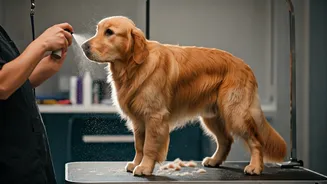
Preventing these issues is far easier than treating them. The key is to be methodical with your drying routine. Think of it as a non-negotiable final step of any wet adventure.1. Towel Dry Thoroughly: Start with an absorbent towel. Don't just wipe; blot and squeeze the fur to remove as much water as possible. Microfiber pet towels are highly effective.2. Bring in the Blower: For dogs with thick or double coats, a towel alone is rarely enough. Invest in a high-velocity pet dryer or use a human-grade hair dryer on a low-heat or cool setting. Keep the dryer moving to avoid concentrating heat on one spot.3. Focus on Problem Areas: Pay special attention to the chest, underbelly, armpits, groin, and the base of the tail. Don't forget to gently dry inside the ear flaps.4. Check Your Work: After you think you're done, run your fingers deep into the coat, all the way to the skin. If it still feels cool and damp, keep drying.