







The Wellness Revolution in a Bowl
One of the biggest drivers behind the coconut curry boom is the seismic shift in how Americans approach food and wellness. As plant-based and dairy-free lifestyles move from the fringe to the mainstream, coconut milk has emerged as a hero ingredient.
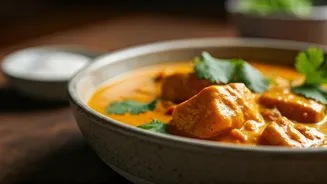
It offers a luscious, satisfying creaminess without any dairy, making it an easy swap for diners avoiding lactose or animal products. Unlike some plant-based alternatives that can feel like a compromise, coconut milk has been the star of Southeast Asian and South Indian cooking for centuries. It’s a naturally perfect fit. This isn’t a lab-created substitute; it’s an ancient staple that happens to align perfectly with modern dietary goals. A bowl of vegetable-packed Panang or Massaman curry feels both indulgent and virtuous—a combination that defines contemporary American eating.
A Passport on a Plate
We’re living in an era of culinary curiosity. Travel-starved during the pandemic and inspired by endless streams of food content on TikTok and Instagram, diners are more adventurous than ever. They’re seeking authentic, specific, and transportive flavors. Coconut curry delivers this in spades. It’s not just one dish; it’s a gateway to dozens of distinct culinary traditions. The bright, herbal heat of a Thai green curry is a world away from the rich, spiced complexity of a Keralan fish curry or the tangy, tamarind-laced notes of a Malaysian laksa. Social media has played a huge role in demystifying these dishes. A video of a street vendor in Penang making laksa or a home cook in Goa simmering a prawn curry makes these once-distant meals feel immediate and accessible. It’s an invitation to explore the world, one spoonful at a time, without leaving your city.
Beyond the Standard Thai Takeout
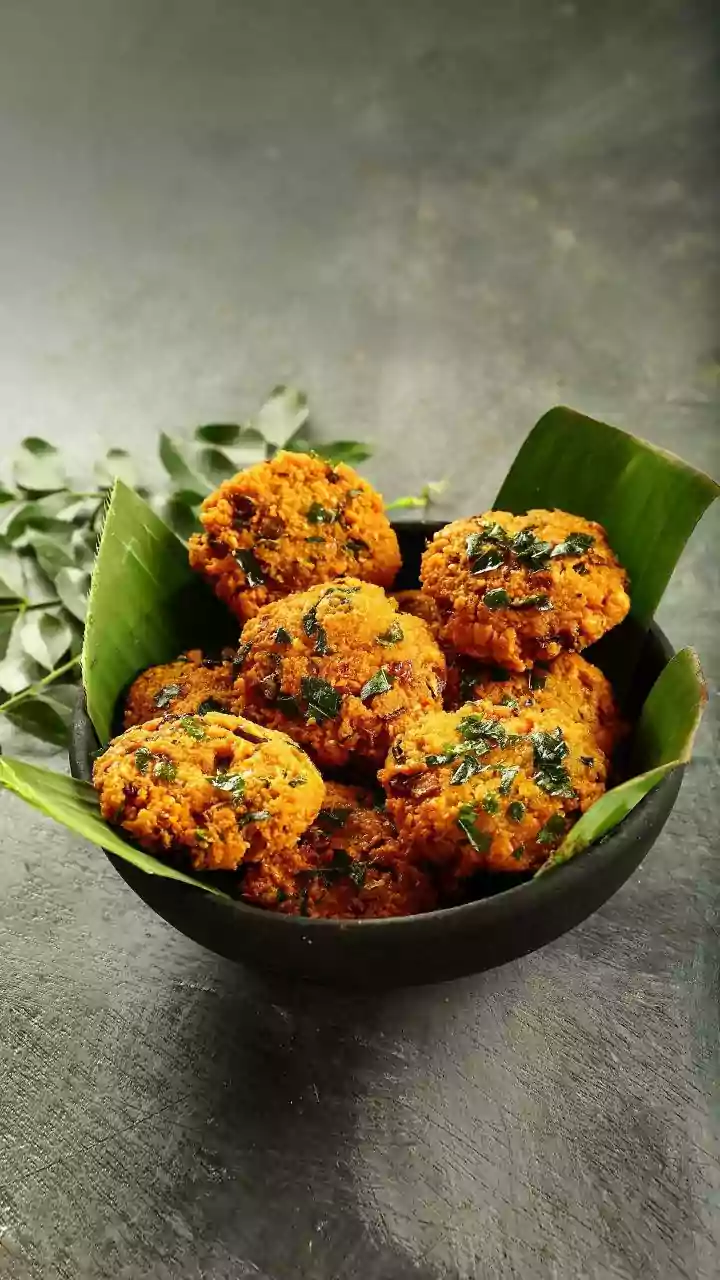
For years, the American understanding of coconut curry was largely limited to the familiar red, green, and yellow varieties from Thai restaurants. While these remain beloved classics, the current breakout is defined by its diversity. We’re seeing a long-overdue appreciation for other regional powerhouses. Indonesian Rendang, a 'dry' coconut curry where the liquid slowly cooks down to coat the meat in a thick, caramelized paste of spices, is gaining cult status for its incredible depth of flavor. From South India, the coastal cuisines of Kerala and Goa offer fragrant, mustard-seed and curry-leaf-spiked creations that are lighter yet intensely aromatic. Even within Thailand, there’s a move beyond the central plains style to embrace the Northern Thai specialty Khao Soi, a rich and hearty coconut curry noodle soup that’s a textural masterpiece.
The Rise of the Pantry Hero
The trend isn't just happening in restaurants; it's happening in our homes. The accessibility of high-quality canned coconut milk has been a game-changer. It’s an affordable, shelf-stable pantry staple that empowers home cooks to tackle recipes that once seemed intimidating. A can of coconut milk, a jar of curry paste, and some fresh vegetables or protein are all you need to create a meal that tastes complex and restaurant-worthy in under 30 minutes. This ease of execution has transformed coconut curry from a 'special night out' dish to a 'weeknight staple.' Food bloggers and recipe developers have flooded the internet with simple, approachable versions, further fueling the fire. The ability to bring these global flavors into our own kitchens has solidified the coconut curry’s place in the American culinary landscape.