


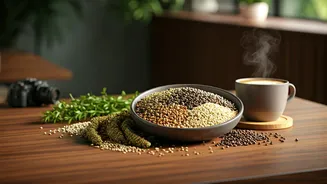
First Off, What Are Millets?
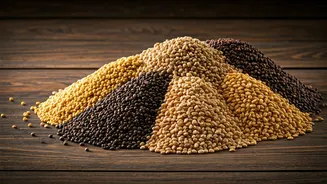
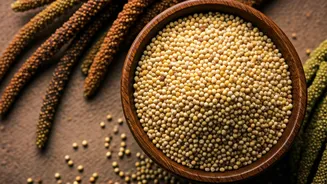
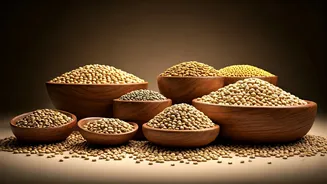
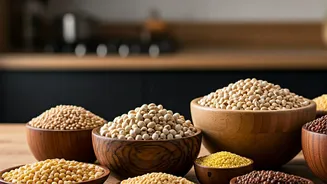
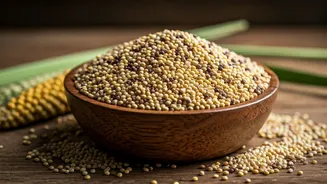
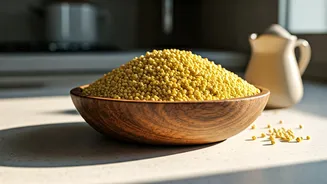
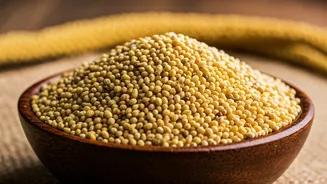
Let’s clear up a common misconception: millet isn’t a single type of grain. It’s the family name for a group of small-seeded grasses, much like “squash” refers to everything from zucchini to butternut. There are dozens of varieties, but the most common ones
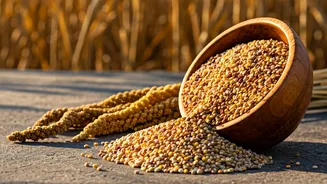
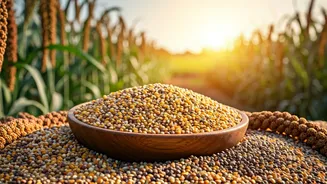
you’ll find in the U.S. are pearl, foxtail, proso, and finger millet. For thousands of years, these grains were a primary food source across Africa and Asia, long before wheat and rice became dominant. They are hardy, adaptable, and have a rich, nutty flavor that varies slightly by type. In America, millet has long been relegated to the birdseed bag, a reputation it’s finally shaking off as people rediscover its culinary potential and impressive nutritional profile.
So, Why All the Buzz Now?
Millet’s comeback tour isn’t an accident. Several factors have aligned to push this ancient grain into the spotlight. First, the United Nations declared 2023 the “International Year of Millets” to promote them as a solution to food security and climate change. Why? Millets are incredibly resilient. They are naturally drought-tolerant and can grow in poor soil with far fewer fertilizers and pesticides than corn or wheat, making them a hero crop for a warming planet. Second, the wellness world has fully embraced ancient grains and gluten-free eating. As a naturally gluten-free option, millet is a perfect alternative for those with celiac disease or gluten sensitivity who are tired of quinoa. It fits perfectly into the plant-based, whole-food-focused diet that’s currently trending.
A True Nutritional Powerhouse
Beyond being sustainable and gluten-free, millets pack a serious nutritional punch. They are a fantastic source of dietary fiber, which is crucial for gut health, digestion, and keeping you feeling full longer. Compared to white rice, millets generally offer more protein and essential minerals. They’re particularly rich in magnesium, a mineral vital for nerve function and blood sugar control, and they also provide a healthy dose of iron and B vitamins. This combination of fiber, protein, and micronutrients helps provide slow-release energy, preventing the blood sugar spikes and crashes associated with more refined carbohydrates. Think of it as a smarter carb that works harder for your body.
How to Actually Eat It
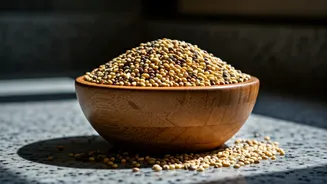
Okay, so you’re sold on the benefits, but how do you incorporate this stuff into your meals without it tasting like, well, bird food? The good news is, it’s incredibly simple. If you can cook rice, you can cook millet. The basic method is a 1:2 ratio—one part millet to two parts water or broth. Bring it to a boil, then simmer covered for about 20 minutes until the liquid is absorbed. Fluff with a fork, and you’re done. The result is a light, fluffy grain with a mild, slightly nutty taste. Use it as a base for grain bowls, a substitute for rice or couscous alongside a stir-fry or curry, or a hearty addition to soups and salads. You can also make a creamy breakfast porridge by cooking it with a little extra milk (dairy or plant-based) and topping it with fruit and nuts. For a richer flavor, toast the dry grains in a pan for a few minutes before adding your liquid. It’s a versatile canvas that readily absorbs the flavors you pair it with.