


First Off, What Exactly Is a Millet?
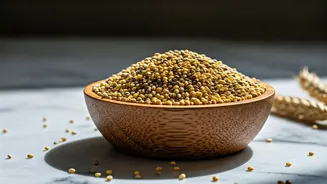
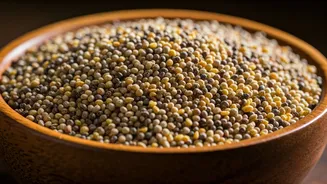
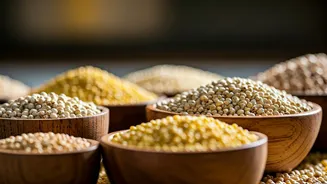
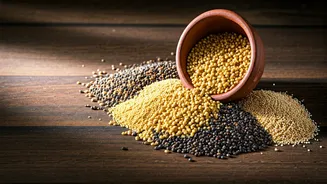
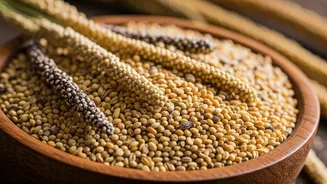
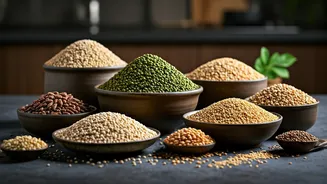
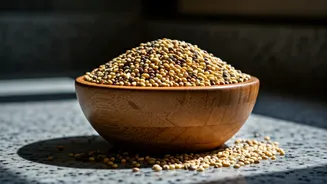
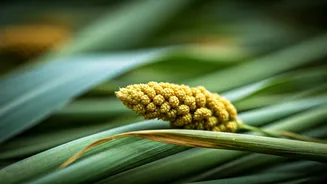
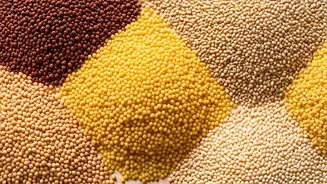
Let’s clear up a common misconception: “millet” isn’t a single type of grain. It’s the umbrella term for a whole family of small-seeded grasses that have been cultivated for thousands of years. Think of it like “squash”—you could be talking about a zucchini
or a pumpkin, both very different but in the same family. The most common varieties you might encounter are pearl, foxtail, proso, and finger millet. What unites them is their incredible resilience. These are hardy, drought-resistant crops that can thrive in tough, arid conditions where wheat and rice would fail. This toughness is a key part of their story, making them a crucial food source for civilizations across Africa and Asia for over 7,000 years. And yes, they are all naturally gluten-free.
The Modern 'Wellness' Appeal
The current buzz around millets is largely driven by their impressive nutritional profile, which fits perfectly into today’s wellness-conscious landscape. For starters, they are a fantastic source of plant-based protein and are packed with dietary fiber, which aids digestion and promotes a feeling of fullness. They also boast a low glycemic index, meaning they release sugar into the bloodstream more slowly than refined grains, helping to stabilize energy levels and making them a smart choice for blood sugar management. Beyond that, they're rich in essential minerals like magnesium (crucial for nerve function and bone health), iron, and potassium. In a world where consumers are actively seeking out gluten-free alternatives, nutrient-dense ingredients, and foods that support gut health, millets check all the right boxes.
The Deeply Rooted 'Heritage' Wave
But to see millets as just another health food is to miss the bigger picture. The other, more powerful, force behind their resurgence is heritage. For millions in diaspora communities, the return of millets to the mainstream is a validation of ancestral foodways. These grains aren't a novelty; they're the foundation of traditional dishes like Indian *roti*, Ethiopian *injera* (often made with teff, a type of millet), and African porridges. The United Nations even declared 2023 the “International Year of Millets” to highlight their role in providing food security and preserving cultural culinary traditions globally. This renewed interest allows people to reconnect with the humble, sustaining foods of their grandparents, reframing them not as “poverty crops” but as emblems of cultural resilience and identity.
From Ancient Grain to Your Pantry
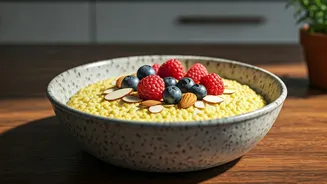
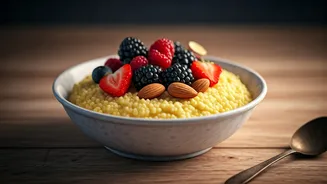
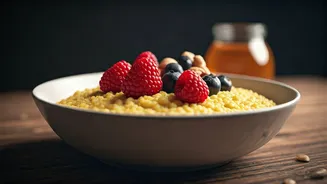
So how does this ancient staple fit into the modern American kitchen? Effortlessly. Their versatility is their secret weapon. Cooked whole, millets can have a fluffy, couscous-like texture or a creamy, porridge-like consistency, depending on how much water you use. You can use them as a simple substitute for rice or quinoa, toss them into salads, or stir them into soups to add body and nutrients. Ground into flour, millet makes for excellent gluten-free breads, pancakes, and baked goods with a subtly sweet, nutty flavor. You can also find them puffed, like rice, used in cereals and snack bars. This adaptability means you don’t need to be a professional chef to start experimenting. It’s as easy as cooking up a pot to serve alongside your favorite stir-fry or starting your day with a warm bowl of millet porridge instead of oatmeal.