
The Biophilic Connection
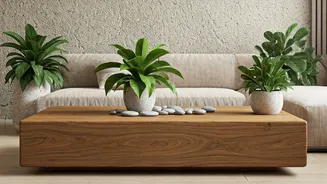
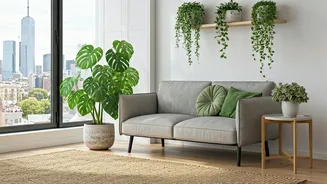
At its core, the move toward natural materials is about biophilia—our innate human need to connect with nature. After years spent in digitally saturated environments, we’re craving interiors that soothe, ground, and restore us. Materials like reclaimed
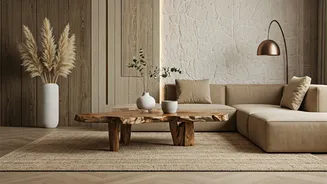
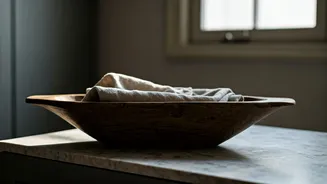
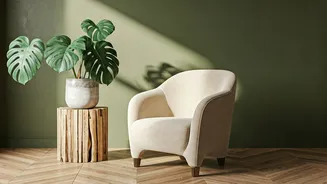
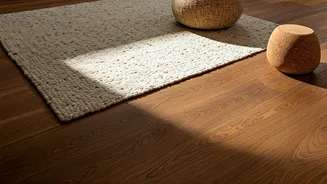
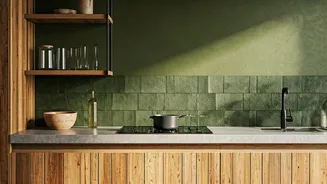
wood, rattan, jute, and stone do more than just look good; they bring the calming patterns and textures of the outdoors inside. A live-edge wooden table isn't just furniture; it's a slice of a forest. A wool rug doesn't just warm a floor; it offers a tangible link to the pastoral landscapes it came from. This isn’t just aesthetic; studies have shown that incorporating natural elements into our living spaces can reduce stress, improve cognitive function, and boost overall well-being. In 2026, a beautiful home is one that makes you feel better, and that feeling starts with nature.
Healthier Air, Healthier You
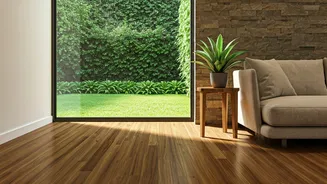
What’s in your home is in your lungs. For decades, common household furnishings—from particleboard cabinets to synthetic carpets and vinyl flooring—have been notorious for off-gassing volatile organic compounds (VOCs). These chemicals, including formaldehyde, can contribute to poor indoor air quality and have been linked to a range of health issues. The 2026 sustainable home sidesteps this problem by prioritizing materials that breathe. Solid wood finished with natural oils, cork flooring (which is naturally antimicrobial), organic linen upholstery, and natural latex mattresses are free from the harmful chemical cocktails found in their synthetic counterparts. This shift reflects a growing consumer awareness that wellness begins at home, making non-toxic, air-purifying materials a non-negotiable luxury.
Sustainability That's Genuinely Sustainable
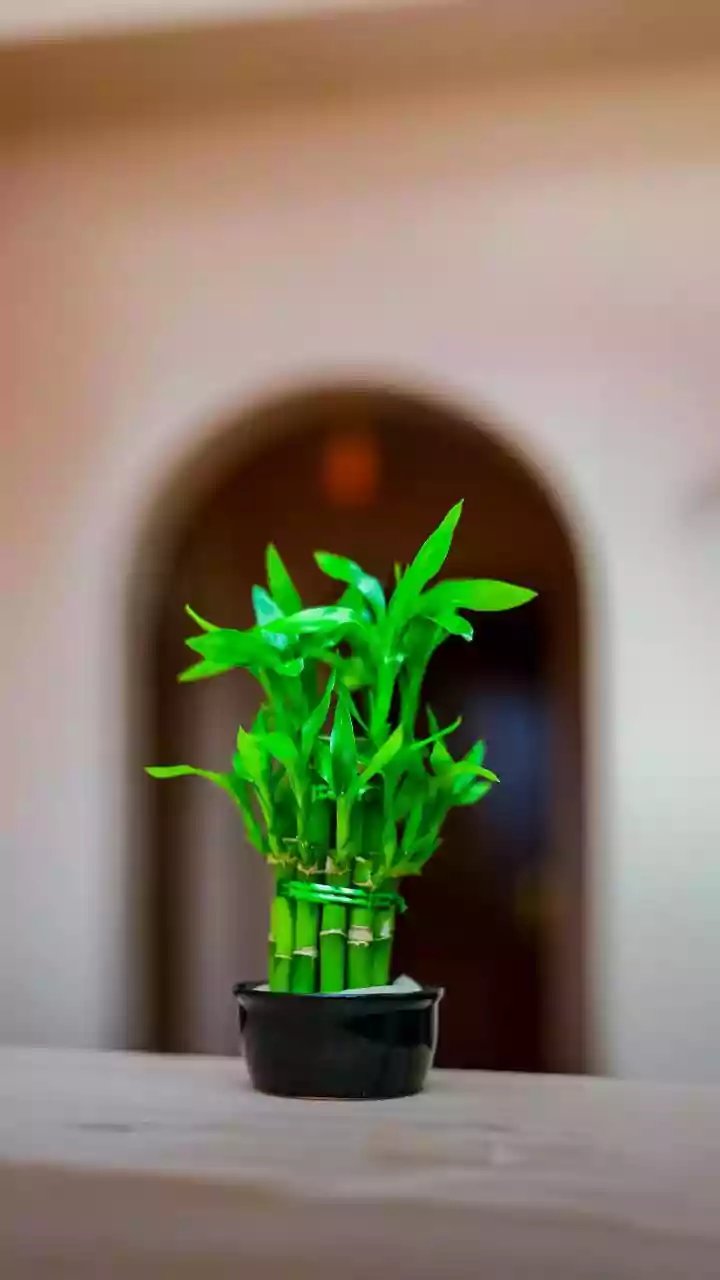
The term 'sustainable' has been stretched to its limits, but with natural materials, the definition is clearer. The focus is on materials that are renewable, biodegradable, and sourced responsibly. Think fast-growing bamboo for flooring and furniture, cork harvested from the bark of oak trees without harming them, and wool that’s shorn annually from sheep. Beyond renewables, there's a huge emphasis on reclaimed and recycled materials. Old barn wood gets a second life as character-filled accent walls, and recycled glass becomes stunning countertops. This circular approach rejects the linear “take-make-dispose” model of fast-fashion decor. Instead, it champions a system where materials are chosen for their longevity and their ability to return to the earth gracefully at the end of their long, useful lives.
The Beauty of Imperfection
For years, modern design meant flawless, factory-perfect surfaces. The rise of natural materials signals a cultural embrace of wabi-sabi—the Japanese aesthetic that finds beauty in imperfection, transience, and authenticity. The unique grain of a wood plank, the slight slubs in a linen curtain, the subtle color variations in a slate floor—these are not flaws. They are marks of character and authenticity that mass-produced items can never replicate. This shift allows for a more personal and soulful interior. Your home is no longer a showroom of flawless objects but a collection of stories told through materials that have lived a life. This desire for authenticity is a direct response to a world of digital filters and artificial perfection, making our homes a sanctuary of the real.
Durability Meets Timeless Style
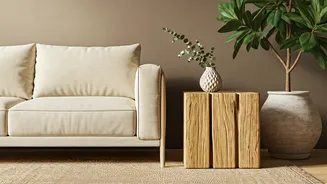
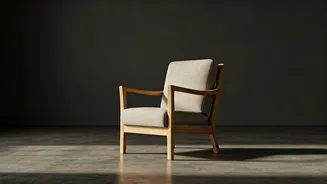
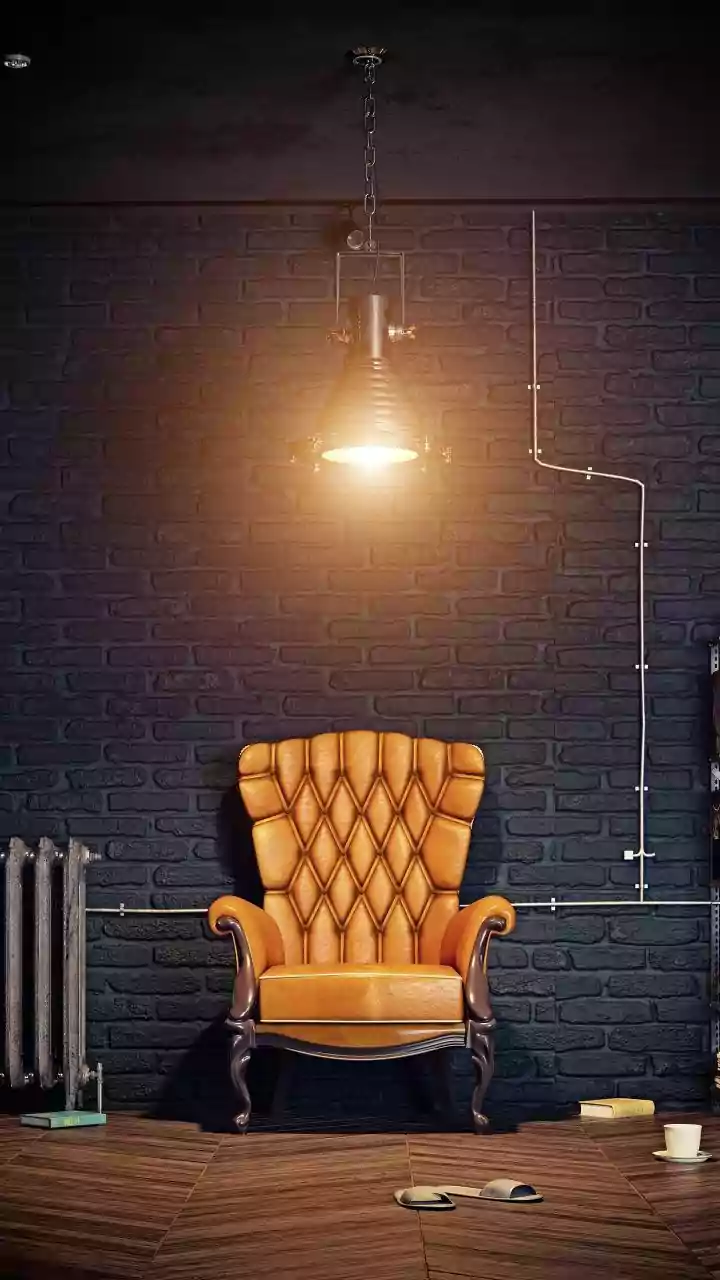
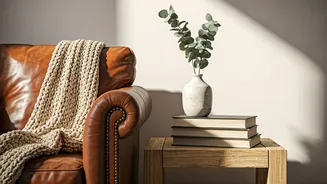
In a rebellion against 'fast furniture' that falls apart after a few years, consumers are investing in pieces built to last. Natural materials are the champions of durability. A solid oak table can serve a family for generations, a leather armchair develops a beautiful patina with age, and a high-quality wool rug can withstand decades of foot traffic. While the initial investment might be higher than a particleboard equivalent, the lifecycle cost is significantly lower. You buy it once. This long-term thinking aligns perfectly with sustainability, as the most eco-friendly product is the one you don't have to replace. Furthermore, the classic appeal of wood, stone, and natural fibers transcends fleeting trends, ensuring that a home designed with them today will still feel stylish and relevant in 2036, not just 2026.