


Choose Your Champion Fragrance
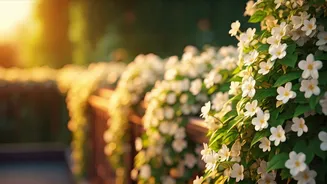
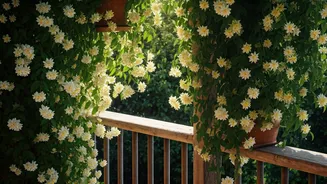
Not all jasmine is created equal, especially for container living. The first step is picking the right plant for your party. For an intoxicating, classic jasmine scent that peaks in the evening, look no further than Star Jasmine (*Trachelospermum jasminoides*).
Despite its name, it’s not a ‘true’ jasmine, but it's a hardy, well-behaved vine that thrives in pots. Its glossy evergreen leaves look great year-round, and its profusion of star-shaped white flowers is simply breathtaking. If you want a true jasmine (*Jasminum* genus), consider *Jasminum sambac*, also known as Arabian Jasmine. Varieties like ‘Maid of Orleans’ or ‘Grand Duke of Tuscany’ are compact enough for containers and produce intensely fragrant flowers used to make jasmine tea. They are less cold-hardy, so they’re best for warmer climates or for those willing to bring them indoors for the winter. For a powerful spring show, Pink Jasmine (*Jasminum polyanthum*) is an option, but be warned: it’s a vigorous grower that will require vigilant pruning to keep it from overwhelming a small space.
The Perfect Potting Scenario
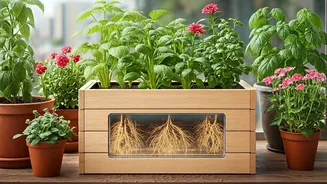
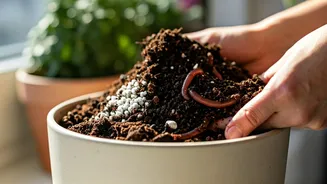
Jasmine’s happiness on a balcony begins with its home. When it comes to containers, think bigger than you’d expect. A larger pot—at least 18-24 inches in diameter—gives the roots ample room to grow, which supports a lush, flower-filled vine. A bigger pot also holds more soil and moisture, meaning you won’t have to water constantly during hot summer days. The most critical feature is drainage. Ensure your pot has several drainage holes at the bottom; jasmine, like most plants, hates sitting in water. For the soil, don’t just scoop some from a garden bed. Bagged potting mix from a nursery is your best bet. Look for a high-quality mix that contains ingredients like peat moss, perlite, or vermiculite, which help with both moisture retention and drainage. This provides the perfect balance of aeration and hydration that containerized jasmine needs to thrive.
Sun, Water, and a Place to Climb
Once potted, your jasmine needs three things: sunlight, water, and something to climb on. Most fragrant, flowering jasmines perform best with at least six hours of direct sunlight per day. A south- or west-facing balcony is often ideal. While they can tolerate some shade, you’ll sacrifice flowers—and therefore, fragrance—in lower light conditions. Watering is a balancing act. The goal is to keep the soil consistently moist but not waterlogged. A good rule of thumb is to stick your finger about two inches into the soil. If it feels dry, it’s time to water. Water thoroughly until you see it run out the drainage holes, then let the pot dry out slightly before the next watering. Vining jasmines are natural climbers, so you’ll need to provide support. A simple wood or metal trellis leaned against a wall or secured inside the pot works perfectly. As the vine grows, gently weave the new stems through the trellis to encourage it to climb upwards and create a beautiful green wall.
Unleashing the Party Trick
Here’s where the magic happens. The fragrance of many jasmines, particularly Star Jasmine and Arabian Jasmine, intensifies dramatically as the sun sets and the air cools. This is the ‘party trick’ in action. As you and your guests settle in for the evening, the plant releases its perfume, transforming your balcony into an unforgettable sensory experience. To maximize the effect, place the pot where air currents will carry the scent towards your seating area. If your balcony is windy, a spot near a wall can help trap the fragrance. To keep the show going, a little maintenance is key. Feed your jasmine with a balanced liquid fertilizer every two to four weeks during the spring and summer growing season. This provides the nutrients it needs to produce a continuous flush of flowers. Also, remember to prune the vine after its main flowering cycle to maintain its shape and encourage new, flower-bearing growth for the next season.