


Your $15 Starter Kit
The biggest myth about gardening is that it requires a huge upfront investment. For your first foray into growing your own food, you can get everything you need for about $15—the same price as a large latte and a slice of cake at a trendy cafe. Forget
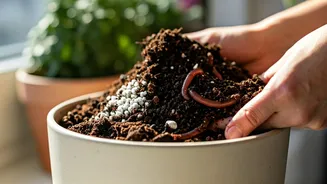
sprawling raised beds and expensive tools for now. We’re starting simple, small, and smart. Here’s your shopping list: * **One 5-Gallon Bucket or Fabric Grow Bag ($3-$5):** A basic bucket from a hardware store is a perfect, deep container for root vegetables or leafy greens. Just be sure to drill several drainage holes in the bottom. Alternatively, a 5-gallon fabric grow bag offers excellent drainage and aeration for a similar price. * **Two Packets of Seeds ($4-$6):** Choose reliable, fast-growing varieties. A packet of loose-leaf lettuce and a packet of radishes or bush beans will give you quick, satisfying results. You’ll have far more seeds than you need for one container, setting you up for future plantings. * **One Small Bag of Potting Mix ($5-$7):** Look for a quality potting mix, not garden soil. Potting mix is lighter, drains well, and is specifically designed for containers. A small, 8-quart bag is more than enough to fill your first container.
Choose Your Easiest First Crops
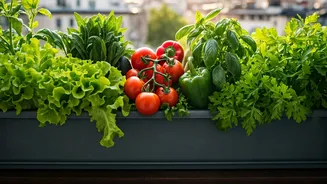
Success builds confidence. For your first veggie patch, picking the right plants is crucial. You want something that grows quickly, tolerates beginner mistakes, and produces a tangible harvest in a small space. This isn't the time to attempt giant heirloom tomatoes or finicky melons. Here are the best starter vegetables for a container: * **Loose-Leaf Lettuce:** Unlike head lettuce, you can harvest the outer leaves as they mature, and the plant will continue to produce more from the center. This “cut-and-come-again” method gives you a steady supply for salads over several weeks from a single planting. * **Radishes:** The ultimate vegetable for the impatient gardener. Many varieties go from seed to harvest in under 30 days. Their spicy crunch is a fantastic reward, and their speed lets you see the full life cycle quickly. * **Spinach:** Similar to loose-leaf lettuce, spinach can be harvested leaf by leaf for a continuous yield. It’s packed with nutrients and prefers cooler weather, making it a great choice for spring or fall planting. * **Bush Beans:** These compact plants don’t require a trellis and are incredibly productive. In a 5-gallon container, a few plants can give you handfuls of fresh green beans for weeks.
The Dirt on Planting
You have your supplies. Now for the fun part. Don't overthink it; plants want to grow. First, ensure your container has drainage. If you’re using a plastic bucket, use a drill or a sharp tool to make 4-6 quarter-sized holes in the bottom. This prevents water from pooling and rotting the roots—the most common rookie mistake. Next, fill your container with potting mix, leaving about two inches of space at the top. Moisten the soil with water until it’s damp but not waterlogged, like a wrung-out sponge. Now, read your seed packet. It contains all the essential information you need, specifically planting depth. For small seeds like lettuce and radishes, a depth of a quarter- to a half-inch is perfect. You can simply scatter them lightly on the surface and then sprinkle a thin layer of soil over top. For larger seeds like beans, poke a hole with your finger to the recommended depth (usually an inch), drop a seed in, and cover it up. Water gently one more time to settle the seeds in.
Sun, Water, and a Little Patience
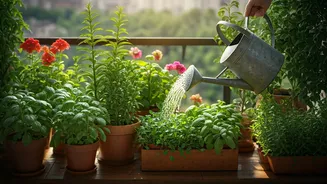
Your job now shifts from active setup to gentle maintenance. Place your container in a spot that gets at least six hours of direct sunlight per day. Most vegetables need this energy to thrive and produce food. An east- or south-facing patio, balcony, or stoop is ideal. Check the soil moisture daily by sticking your finger an inch deep. If it feels dry, it’s time to water. Water thoroughly until you see it running out of the drainage holes at the bottom. This ensures the entire root zone gets a drink. Container plants dry out much faster than plants in the ground, especially on hot, windy days, so daily checks are key. Then, you wait. Seeds will sprout in a week or two. You’ll watch them transform from tiny seedlings into recognizable plants. This is the magic of gardening—a process of observation and simple care that yields an incredible reward.