


Embrace the War on Weeds
Nobody posts glamorous photos of pulling weeds, but this is your number one job in June. After spring rains and with the summer sun, weeds like crabgrass, thistle, and purslane explode. They’re not just unsightly; they are aggressive thieves, stealing
water, sunlight, and vital nutrients from your vegetables and flowers. The key is to get them early and often. Tackle them after a rain when the soil is soft and the roots pull out easily. For sprawling patches, a sharp hoe can sever young weeds at the soil line on a hot, dry day. Getting ahead of them before they go to seed is the most practical victory you can achieve this month—each weed you pull prevents hundreds or thousands of future weeds.
Water Smarter, Not More Often
As temperatures climb, the temptation is to give your garden a light sprinkle every day. Resist. This practice encourages shallow root systems that are vulnerable to heat and drought. Instead, the goal is deep, infrequent watering. This forces roots to grow deeper into the soil in search of moisture, creating stronger, more resilient plants. Use a soaker hose or drip irrigation to deliver water directly to the base of the plants, minimizing evaporation and keeping foliage dry to prevent fungal diseases. To check if you’ve watered enough, stick your finger or a trowel into the soil; the moisture should penetrate at least 6 inches deep. For most established beds, one or two deep soakings a week is far better than a daily splash.
Master the Art of Deadheading
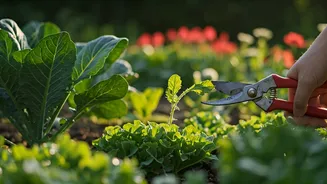
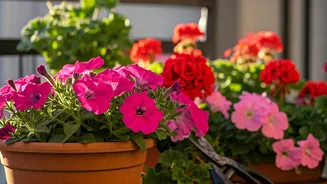
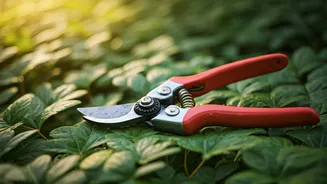
This task feels vaguely brutal but is essential for a beautiful summer. Deadheading is the simple act of pinching or snipping off spent flowers. Why? A plant's primary goal is to produce seeds and reproduce. Once a flower fades and starts developing a seed head, the plant directs its energy toward that process. By removing the old bloom, you trick the plant into trying again, pushing its energy back into producing more flowers. This is especially crucial for annuals like petunias, zinnias, and marigolds, and for reblooming perennials like roses and salvias. It’s a repetitive, quiet task, but it’s the secret to a continuous floral display through July and August.
Scout for Pests and Disease
Your garden is a bustling ecosystem, and not all its residents are welcome. June is when pests like aphids, Japanese beetles, and squash bugs begin to make their presence known. It’s also when fungal diseases like powdery mildew and black spot take hold in the heat and humidity. The practical approach is proactive scouting. Take a walk through your garden every couple of days, turning over leaves and inspecting stems. Catching an aphid infestation when it’s on a single leaf is far easier than when it has colonized an entire plant. You can often manage small problems by hand-picking pests or pruning away an affected leaf. This vigilance prevents small issues from becoming garden-wide disasters that require chemical interventions.
Replenish Nutrients and Mulch
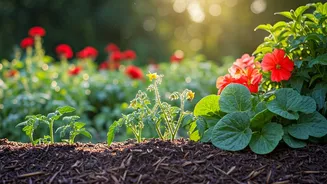
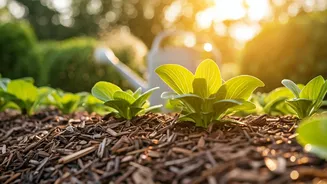
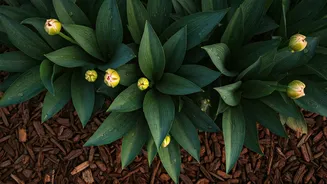
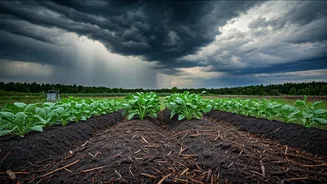
Your plants are growing rapidly now, consuming nutrients from the soil like hungry teenagers. This is especially true for heavy feeders like tomatoes, corn, and roses. A mid-season feeding can give them the boost they need to keep producing. A side-dressing of compost or a balanced organic fertilizer is often all that’s required. After feeding, apply or replenish a thick layer of mulch—about 2 to 3 inches—around your plants. This is another unglamorous but game-changing task. Mulch suppresses weeds, retains soil moisture so you have to water less, and regulates soil temperature, protecting roots from the baking summer sun. Straw, shredded leaves, or wood chips all work wonders.