



First, Let’s Clear Things Up
Before we go any further, let's establish a crucial fact: curry leaves have absolutely nothing to do with curry powder. This is one of the most persistent misnomers in the American kitchen. Curry powder is a British-invented blend of ground spices like
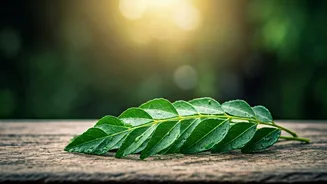
turmeric, coriander, and cumin. Curry leaves, on the other hand, are the fresh foliage of the *Murraya koenigii* tree, native to India and Sri Lanka. They are a singular, distinct ingredient with a complex aromatic profile all their own. Using one will not replicate the other. Thinking they are related is like confusing a bay leaf with an everything bagel seasoning blend—both are used for flavor, but that’s where the similarity ends.
The Irreplaceable Aroma of Freshness
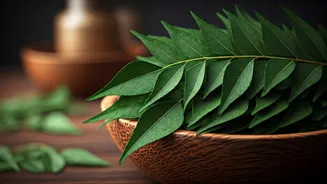
The argument for fresh curry leaves begins and ends with their scent. Pluck a fresh leaf from its stem and crush it between your fingers. You’re hit with an intoxicating, one-of-a-kind fragrance—a blend of citrusy notes, a hint of anise, and a deep, savory pungency that is impossible to pin down. When you sizzle these fresh leaves in hot oil or ghee, a technique known as *tadka* or *tempering*, they release their essential oils and perfume your entire kitchen. This aromatic foundation infuses the whole dish with a depth that no other ingredient can provide. It’s a bright, lively, and complex flavor that wakes up lentils, potatoes, rice, and coconut-based stews. This is the magic that store-bought versions simply cannot deliver.
Why Dried Leaves Just Don’t Cut It
Walk down the spice aisle in a standard American supermarket, and you might find a jar of dried curry leaves. Leave it on the shelf. The delicate, volatile compounds that give fresh curry leaves their signature aroma are lost almost entirely during the drying and packaging process. What’s left behind is a brittle, brownish-green leaf that smells faintly of hay and contributes little more than dusty bitterness to a dish. It’s like comparing fresh basil to the dried flakes in a jar—one is a vibrant herb, the other is a pale ghost of its former self. Using dried curry leaves is often worse than using none at all, as they can impart a dull, muddy flavor that detracts from the other, fresher ingredients in your pot.
Where to Find the Good Stuff
So, where do you find this game-changing ingredient? Your best bet is an Indian, Sri Lankan, or pan-Asian grocery store. Look in the refrigerated produce section, often near other fresh herbs like cilantro and mint. They are typically sold on the stem in clear plastic bags. Look for vibrant, deep green leaves that are glossy and free of blemishes or yellowing. Give the bag a gentle squeeze; you should be able to smell their distinct aroma even through the plastic. Once you get them home, you can store them in the refrigerator wrapped in a paper towel inside a zip-top bag for a week or two, or freeze them for several months with only a minor loss in quality. Some online retailers also ship them fresh, which is a great option if you don't have a local source.
The Ultimate Solution: Grow Your Own
For the truly committed, the best way to ensure a constant supply is to grow your own curry leaf plant. It’s surprisingly manageable for most U.S. home cooks. The plant thrives in a pot, which means you can bring it indoors during the winter if you live in a colder climate (they are not frost-hardy). They love sun and well-drained soil. You can find starter plants at local nurseries that specialize in tropical plants or order one online. There is an unparalleled joy in walking out to your patio, snipping a fresh sprig of curry leaves, and tossing them directly into a sizzling pan. It connects you to your cooking in a new way and guarantees that your dishes will always have that authentic, vibrant flavor that makes South Asian cuisine so beloved.