


1. Inspect Your Tires for Tread and Pressure
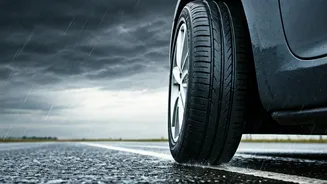
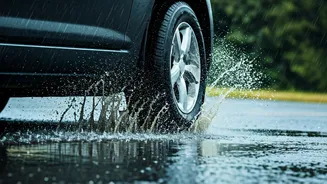
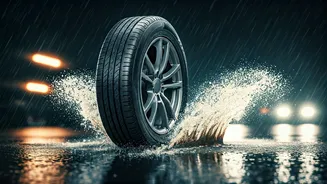
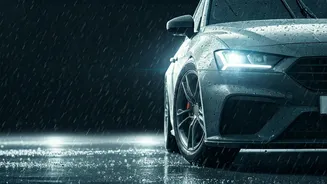
Your tires are your car's only connection to the road, and their performance is critical during a downpour. When roads are slick with rain and oil, the risk of hydroplaning—where your tires lose contact with the pavement and skim across the water—increases
dramatically. Proper tread depth is your best defense. The channels in your tires are designed to siphon water away. You can check your tread depth easily with the 'penny test.' Insert a penny into the tread with Lincoln's head upside down. If you can see all of his head, your tires are worn and it’s time for a new set. Also, check your tire pressure. Over- or under-inflated tires have a smaller, less effective contact patch with the road, compromising grip in wet conditions. Check the pressure when the tires are cold and inflate them to the manufacturer's recommended PSI, found on the sticker inside your driver's side doorjamb.
2. Upgrade Your Wiper Blades and Top Off Fluid
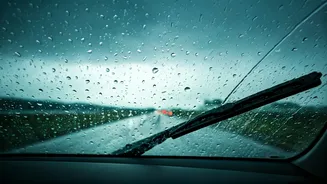
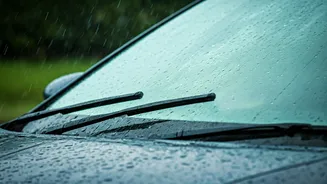
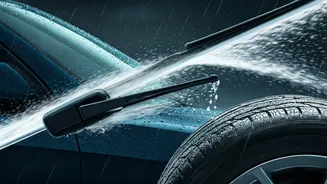
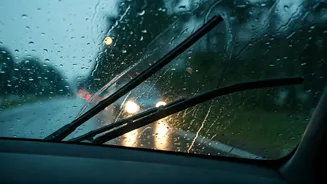
Windshield wipers are often neglected until the first drops of a storm hit, by which point it's too late. The intense sun and dry heat of the pre-monsoon months can bake the rubber on your wiper blades, causing them to crack, harden, and become useless. A streaky, smeared windshield is a major hazard in a low-visibility downpour. Replace your blades at the start of the season. Consider upgrading to beam-style blades, which apply more uniform pressure to the windshield for a cleaner wipe. While you're at it, top off your windshield washer fluid. After a dust storm (or haboob), you'll need plenty of fluid to clear the thick layer of mud that forms when the first rains hit your dusty windshield.
3. Test Your Battery's Health
Extreme summer heat is a car battery's worst enemy. High temperatures can accelerate the degradation of internal components and cause vital battery fluid to evaporate, weakening its ability to hold a charge. A battery that seems fine during the hot, dry days can fail without warning when it's suddenly asked to power your headlights, wipers, and air conditioning all at once during a humid monsoon storm. Many auto parts stores offer free battery testing. Getting it checked before the season is in full swing can save you from being stranded in a dangerous situation. If your battery is more than three years old, it’s especially important to have its health assessed.
4. Check Every Exterior Light
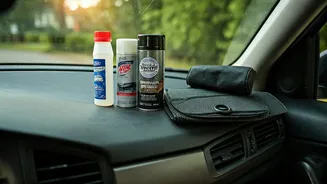
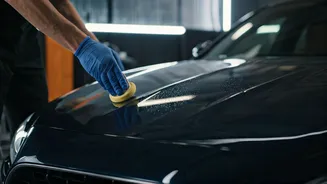
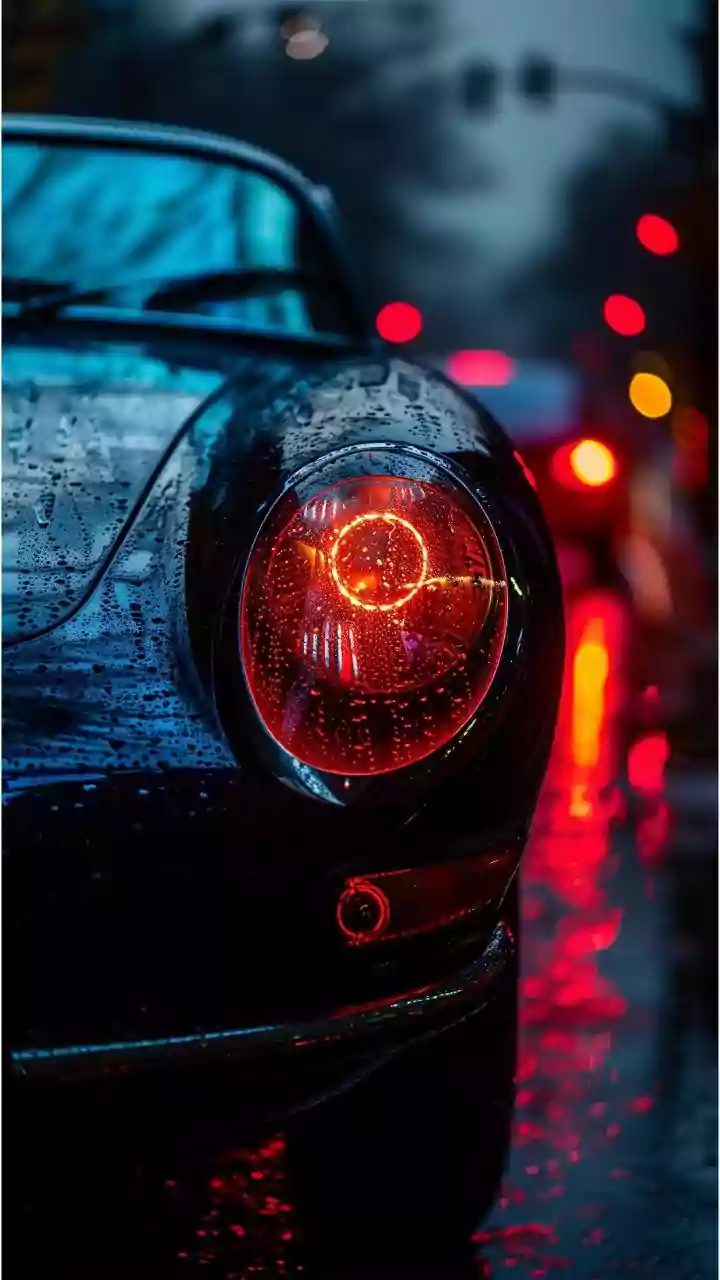
Visibility is a two-way street. During a monsoon downpour or a dust storm, it’s just as important for other drivers to see you as it is for you to see them. Take a few minutes to test every single exterior light on your vehicle: headlights (both low and high beams), taillights, brake lights, and turn signals. Have a friend or family member stand outside the car while you cycle through them. A single burned-out brake light can dramatically increase your risk of being rear-ended in poor conditions. Also, make sure your headlight lenses are clear, not yellowed or hazy. A cloudy lens can reduce light output by more than 50%. Restoration kits are inexpensive and can make a huge difference in your ability to see and be seen.
5. Inspect Your Engine and Cabin Air Filters
Monsoon season often kicks off with major dust storms that can choke your car's air intake systems. Your engine air filter prevents dust, dirt, and debris from getting into your engine, and a clogged one can reduce horsepower and fuel efficiency. More importantly for your comfort and health, the cabin air filter cleans the air that you breathe inside the car. After a haboob, this filter can become saturated with fine dust particles. Replacing a dirty cabin air filter ensures your AC system works effectively and that you're not breathing in a cloud of dust every time you turn on the fan.
6. Assemble a Monsoon Emergency Kit
Being monsoon-ready isn't just about the car; it's about being prepared to be stranded in it. Washed-out roads or flash floods can leave you stuck for hours. Your car should contain an emergency kit that includes: a gallon of water per person, non-perishable snacks, a powerful flashlight with extra batteries, a first-aid kit, a portable phone charger or power bank, and a blanket. These simple items can make a world of difference if you find yourself waiting for a flooded road to clear or for roadside assistance to arrive in a storm.