


A Note on Preparation
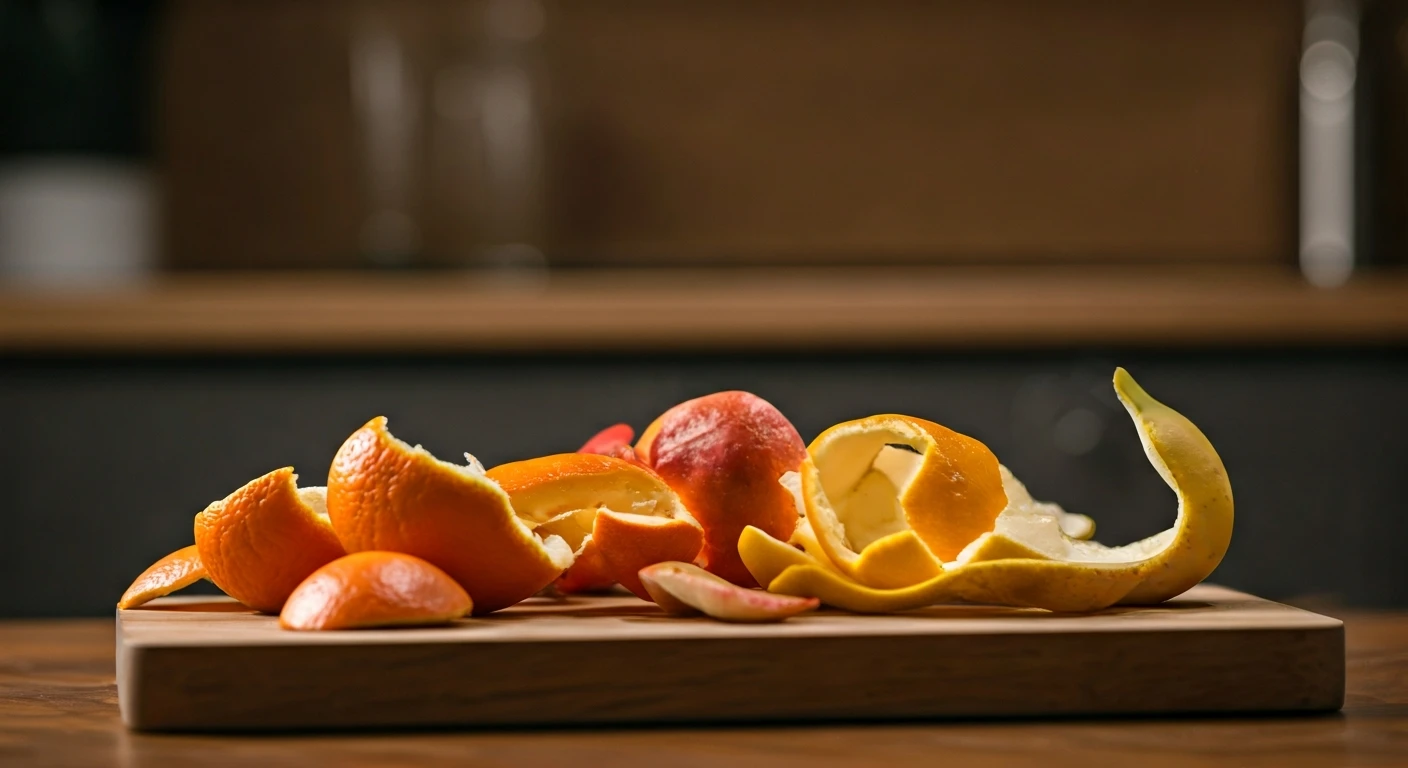
Before you start cooking with peels, a little prep work is essential for safety and flavor. Whenever possible, opt for organic fruit to minimize your exposure to pesticides, which concentrate on the skin. Regardless of whether the fruit is organic or conventional,
give it a thorough scrub under running water with a vegetable brush. This removes dirt, wax, and surface residues. Once cleaned, your peels are ready for their second act. This simple step ensures that your sustainable creations are as wholesome as they are delicious.
Watermelon Rinds: Sweet & Tangy Pickles
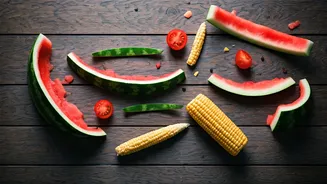
Don’t let that heavy watermelon rind hit the compost bin. The thick white part, just beneath the green skin, has a wonderfully crisp texture similar to a cucumber, making it perfect for pickling. This classic Southern tradition transforms waste into a condiment that’s brilliant alongside grilled meats or chopped into a summer salad. To make them, you first peel off the tough green outer layer, leaving the white rind. Cube the rind and boil it until tender. Then, simmer it in a brine of vinegar, sugar, water, and spices like cinnamon sticks, cloves, and star anise. After cooling and chilling, you’ll have a jar of sweet, tangy, and surprisingly addictive pickles.
Citrus Peels: Candied Treats and Infusions
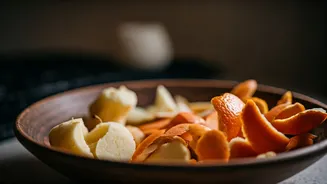
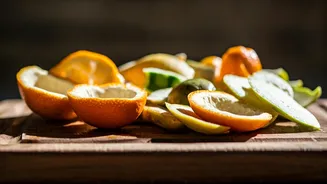
Orange, lemon, and grapefruit peels are packed with aromatic oils, making them too valuable to discard. While zesting is common, you can use the whole peel to create elegant candied strips. Simply boil strips of peel a few times in fresh water to remove bitterness, then simmer them in a simple syrup until translucent. Rolled in sugar, they become a sophisticated garnish for desserts or a sweet snack on their own. For a non-edible use, stuff a jar with citrus peels and top it with white vinegar. Let it sit for a couple of weeks, and you’ll have a fragrant, all-purpose cleaner that cuts through grease with ease.
Banana Peels: A Savory, Surprising Star
This is the one that surprises everyone. Banana peels have a fibrous, slightly chewy texture that, when cooked, mimics pulled meat. It’s become a go-to trick in vegan and vegetarian cooking for making “pulled pork” sandwiches. To try it, scrape out the white pith from the inside of the peel to reduce bitterness. Then, shred the peel with a fork, and sauté it with onions, garlic, and a generous amount of your favorite barbecue sauce. Let it simmer until the peels are tender and have absorbed all the smoky, sweet flavor. Piled onto a bun with coleslaw, it’s a mind-bendingly good way to fight food waste.
Apple Peels: Crispy Chips and Soothing Tea
When you’re making an apple pie or applesauce, you’re often left with a mountain of peels. These can be easily transformed into two fantastic products. For a healthy snack, toss the peels with a little cinnamon and a pinch of sugar, then bake them on a low heat (around 200°F) until they are dry and crispy. These apple peel chips are a crunchy, fiber-rich treat. Alternatively, you can make a comforting apple peel tea. Just simmer the peels in a pot of water with a cinnamon stick and a slice of ginger for about 10 minutes. Strain and serve hot with a drizzle of honey for a soothing, zero-waste brew.
Peach Skins: Flavor-Packed Syrups
The fuzzy skins of peaches and smooth skins of nectarines are full of flavor and color. While some people enjoy eating them, others prefer to peel them for pies and jams. Save those skins and make a beautiful, fragrant syrup. Combine the skins in a small saucepan with equal parts sugar and water. Bring the mixture to a simmer, stirring until the sugar dissolves, and then let it steep for about 20-30 minutes. Strain out the skins, and you're left with a vibrant pink syrup that’s perfect for sweetening iced tea, drizzling over pancakes, or mixing into summer cocktails for a craft-bar touch at home.