






Fighting the Effects of Time
For decades, the conventional wisdom on senior fitness revolved around gentle activities like walking, swimming, or stretching. While beneficial, these exercises don't effectively combat one of the most significant challenges of aging: sarcopenia, the gradual
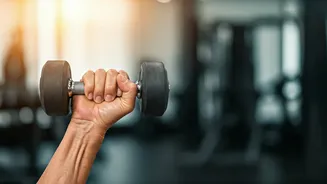
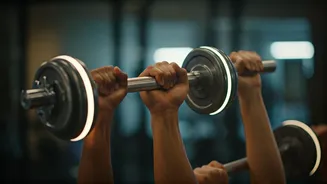
loss of muscle mass, strength, and function. Starting as early as our 30s, we can lose 3-5% of our muscle mass per decade if we're inactive. This decline accelerates after 60, contributing to frailty, mobility issues, and a higher risk of falls. Enter strength training. By putting muscles under load, resistance exercise—whether with dumbbells, resistance bands, or even body weight—sends a powerful signal to the body to build and maintain muscle tissue. Studies overwhelmingly show that for older adults, a consistent strength training regimen can partially reverse sarcopenia, leading to measurable gains in muscle mass and strength. This isn't just about looking fit; it's about preserving the physical capacity to live independently.
A Foundation for Stability
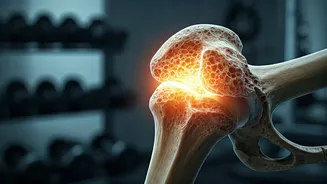
The benefits extend beyond the muscles themselves. Weight-bearing exercise is one of the most effective ways to improve bone density and fight osteoporosis, a condition that makes bones brittle and prone to fracture. Every time a muscle contracts to lift a weight, it pulls on the bone it's attached to, stimulating bone-forming cells. Stronger bones, combined with stronger muscles, create a more stable and resilient frame. This stability directly translates into one of the most critical outcomes for senior health: fall prevention. According to the CDC, falls are the leading cause of injury-related death among adults 65 and older. Strength training improves balance, coordination, and reaction time. Having the leg strength to get up from a chair without using your hands, the core stability to recover from a stumble, and the grip strength to hold onto a railing are all direct results of resistance exercise. It’s a proactive investment in staying on your feet.
The Confidence Comeback
Perhaps the most profound change reported by seniors who start lifting weights isn't physical, but mental. The headline's word—"reclaiming"—is key. Aging can often feel like a process of losing control, but strength training offers a direct way to regain it. The simple, tangible feedback of lifting a slightly heavier weight or completing an extra repetition provides a powerful sense of accomplishment and self-efficacy. This newfound physical competence translates directly to everyday life. Carrying groceries becomes easier. Playing with grandchildren on the floor is less daunting. The fear of not being able to get up after a fall diminishes. This builds a virtuous cycle of confidence: feeling stronger encourages more activity, which in turn builds more strength and more confidence. For many, it's less about building biceps and more about rebuilding the belief in their own capabilities.
How to Get Started Safely
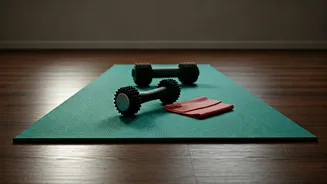
The image of a senior citizen attempting a heavy barbell lift can seem intimidating, but the reality of senior strength training is highly scalable and safety-focused. The 'too fragile' myth is one of the most damaging misconceptions. The key is starting slow and prioritizing form over weight. Before beginning any new exercise program, it's essential to consult with a doctor. From there, many accessible options exist. Bodyweight exercises like squats (using a chair for support), wall push-ups, and step-ups are excellent starting points. Light resistance bands offer a low-impact way to challenge muscles. For those new to a gym, seeking guidance from a certified personal trainer with experience working with older adults is a wise investment. They can design a program that starts with light weights and machines, ensuring proper technique to prevent injury. The most important rule is to listen to your body—discomfort is different from pain, and progress should be gradual.