
1. Understand the 'Heirloom' Vibe
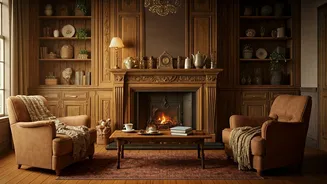
First, let's clarify: 'heirloom-inspired' doesn't just mean 'old.' It’s a philosophy centered on items that possess character, history, and a sense of permanence. Think less about dusty antiques and more about pieces with a story—whether it’s your grandmother’s
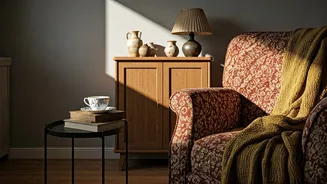
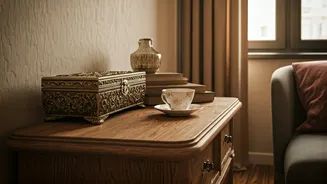
well-worn armchair or a new, solidly built wooden table that will last for generations. The goal is to curate a space that feels collected over time, not bought in a single weekend. This approach rejects the disposable nature of fast furniture and embraces things that have patina, personality, and a past (or a future). It’s about choosing items that feel personal and meaningful, turning your apartment from a temporary stop into a true home.
2. Start with a Single Anchor Piece
The fastest way to de-borify a studio is with one knockout piece that commands attention and sets the tone. This could be a vintage piece you inherited, a lucky flea market find, or a significant investment. Consider a beautifully carved wooden trunk that doubles as a coffee table and storage, a velvet settee with elegant curves, or an ornate, oversized mirror that makes the room feel larger and more grandiose. This anchor piece serves as the heart of the room. Don't worry about it 'matching' everything perfectly. Its job is to provide a focal point of character from which all other design choices can radiate. The contrast between this special item and your more modern, functional pieces is what creates visual interest.
3. Layer Textures and Textiles
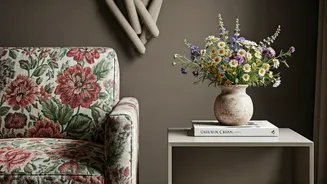
A boring studio often suffers from a lack of depth. The solution is layering. Heirloom style leans heavily on rich, tactile surfaces that add warmth and complexity. Swap out the generic polyester rug for a vintage-style wool one with a faded pattern. Drape a chunky knit or a soft cashmere throw over the arm of your sofa. Hunt for throw pillows made from interesting materials like embroidered linen, cut velvet, or even old tapestry fragments. These textiles do more than add comfort; they absorb sound, making a small space feel quieter and more intimate, and they bring in the patterns and colors that give a room its unique personality.
4. Curate Your Personal Story on Walls
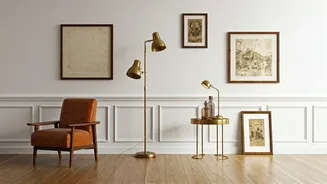
Bare walls are the enemy of character. Instead of a single, mass-produced print, think of your walls as a scrapbook of your life. A gallery wall is the perfect vehicle for this. Mix high and low: a framed postcard from a favorite trip, a small oil painting from a thrift store, black-and-white photos of your family, and a beautifully rendered architectural drawing. The key is in the mix and the framing. Using a variety of vintage-style or simple, high-quality frames unifies the collection. This display becomes a conversation starter and a constant reminder of who you are and the things you love, making your studio feel deeply personal.
5. Mix Old and New with Confidence
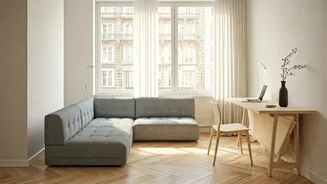
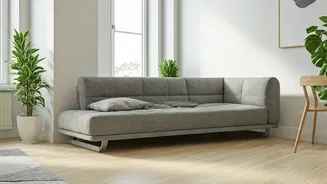
A common mistake is thinking you have to create a time capsule. The most successful heirloom-inspired spaces are not museums; they are a masterful blend of periods and styles. That sleek, modern standing desk you need for work? It looks even better next to a weathered wooden filing cabinet. Your contemporary sofa can be brought to life with antique side tables. The tension between old and new is what makes a room dynamic and interesting. A good rule of thumb is the 80/20 split: keep 80% of your large, functional furniture contemporary and comfortable, and dedicate 20% of your budget and space to unique, character-filled vintage or heirloom pieces that provide the soul.
6. Let There Be Lamplight
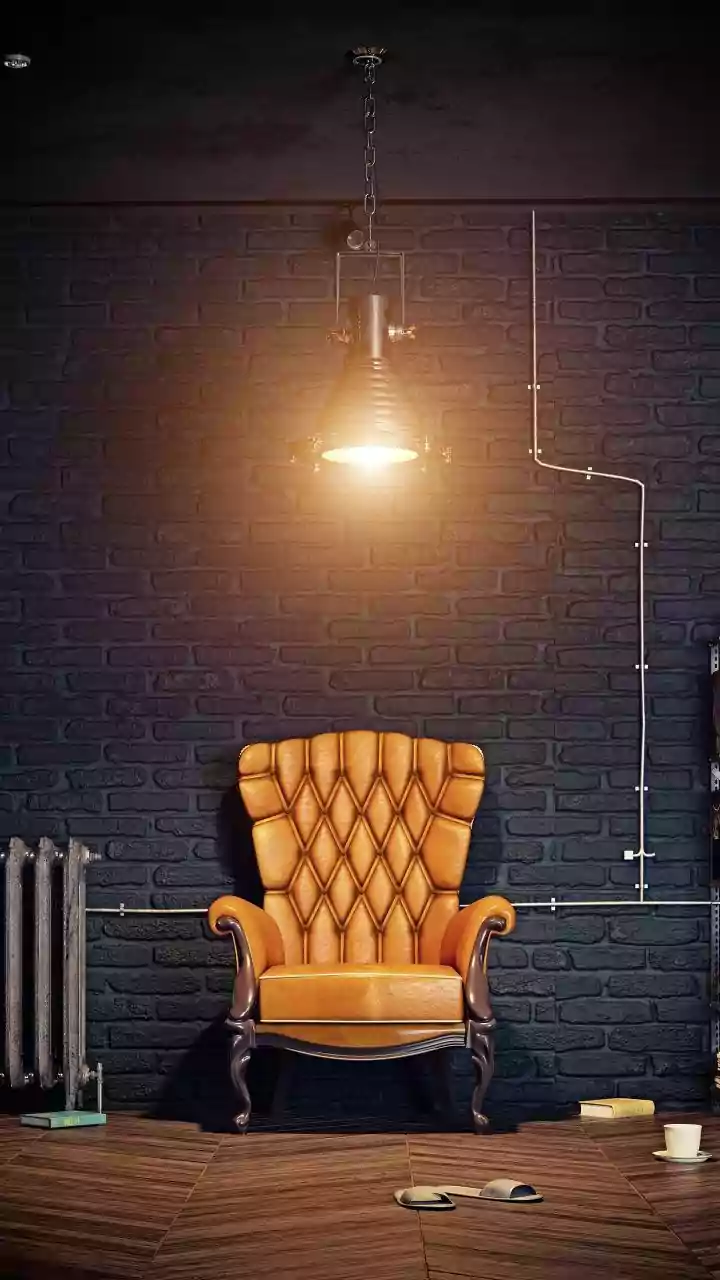
Never underestimate the transformative power of lighting. Harsh overhead fixtures are a signature of the 'boring urban flat.' An heirloom approach favors multiple points of warm, soft light to create ambiance. Scour secondhand shops for lamps with interesting bases—ceramic, brass, or carved wood—and top them with classic fabric shades. A vintage-style floor lamp can illuminate a reading corner, while a small table lamp on a stack of books adds a cozy glow to a side table. This layered lighting strategy eliminates shadows, makes the space feel warmer, and highlights the beautiful textures and objects you've carefully chosen.