




From Roadside Stop to Shopping Cart
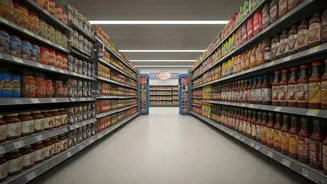
Walk down any U.S. grocery aisle and you’ll see it. Next to the traditional ketchups are bottles of Chick-fil-A’s signature sauce. In the freezer section, a box of White Castle sliders sits waiting for a microwave. The cereal aisle boasts Cinnabon and Dunkin’
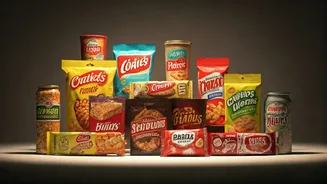
branded breakfast options. This isn’t a coincidence; it’s a calculated business strategy. Brands that built their empires on quick, in-person experiences are aggressively expanding their territory into our pantries and refrigerators. They are converting their most iconic flavors—once exclusively available at their brick-and-mortar locations—into consumer packaged goods (CPGs). In industry terms, they’re turning a craving into a Stock Keeping Unit (SKU), a scannable, sellable product that extends their brand far beyond the drive-thru window.
The Billion-Dollar Bet on Nostalgia
So, why is this happening now? The core driver is a powerful combination of nostalgia and convenience. These products aren’t just selling a flavor; they’re selling a feeling. A bottle of Taco Bell’s Baja Blast or Mild Sauce isn't just a beverage or condiment; it’s a low-cost ticket back to late-night college food runs or family road trips. For consumers, it satisfies a very specific desire without the friction of having to get in the car and go to the restaurant. It’s the comfort of a known entity in an unfamiliar time. Brands understand that this emotional connection is a powerful asset. By placing their products in a grocery store, they’re making it easier than ever for loyal fans to integrate these treats into their daily lives, turning an occasional indulgence into a routine purchase.
A Low-Risk Brand Extension Play
From a business perspective, this strategy is brilliant. For an established brand like Starbucks or Wawa, creating a packaged version of their popular coffee isn't as risky as launching an entirely new product. The market research is already done; they know people love it. This is called a brand extension, and it’s a low-risk, high-reward way to generate new revenue. Each bottle of sauce or bag of chips sold is not only profit but also a miniature billboard, keeping the brand top-of-mind. When you use Chick-fil-A sauce at home, you’re more likely to think of their chicken sandwiches. This CPG presence creates a powerful feedback loop: the grocery products drive sales and reinforce brand loyalty, which in turn encourages more visits to the actual restaurants. It’s a way to capture “share of stomach” even when the customer is eating at home.
The New Rules of Food Culture
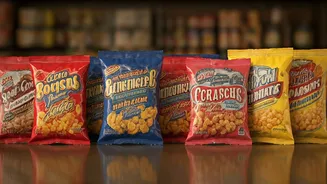
This trend also signals a broader shift in food culture, where the lines between “high-brow” and “low-brow” are blurring. Gourmet chefs on social media are using fast-food ingredients in their creations, and consumers are no longer shy about their love for convenience-store snacks. Brands have noticed. They’re capitalizing on a cultural moment where authenticity is valued, and for many Americans, nothing feels more authentic than the taste of a beloved, accessible treat. It’s no longer just fast-food giants, either. Regional darlings like the Texas-based convenience store Buc-ee's have developed a cult following for their packaged goods, like Beaver Nuggets and jerky, which have become destination-worthy souvenirs. The success of these products proves that a strong brand identity, coupled with a craveable flavor, can create a powerful retail force, no matter how humble its roadside origins.