

A Festival of Feasting
Welcome to Bhogali Bihu, the most delicious festival you’ve probably never heard of. While many American diners can name dishes from Punjab or Southern India, the cuisine of Assam, a lush state in the country’s remote northeast, has remained a well-kept
secret. But that’s changing, and this ancient harvest festival is a major reason why. At its heart, Bhogali Bihu is a giant, communal thank-you note to the land. Marking the end of the rice harvest season, its name comes from the word ‘bhog,’ meaning enjoyment and feasting. Unlike more solemn religious observances, this is a celebration centered on food, fire, and fellowship. Communities erect temporary huts called ‘bhelaghar’ for overnight feasts before setting them and towering ‘meji’ bonfires alight at dawn, offering prayers for a bountiful year ahead. It’s a spectacle where the main event is the meal, and everyone has a seat at the table.
Beyond the Curry House
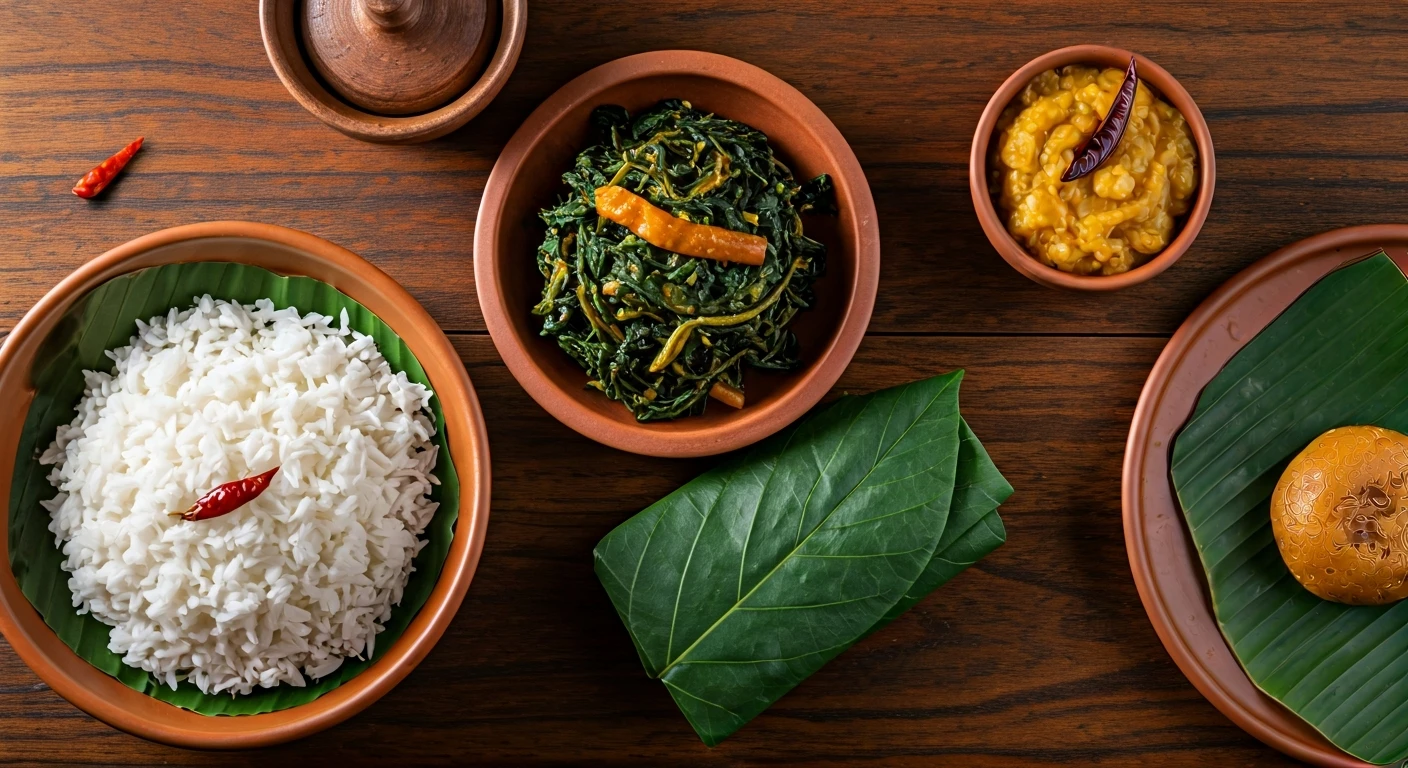
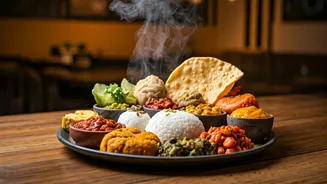
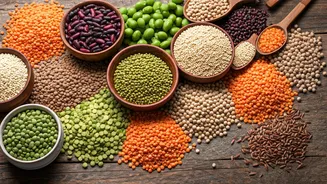
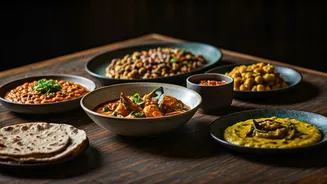
So, what does a Bihu feast taste like? Forget the heavy, cream-laden curries that dominate many Indian restaurant menus in the U.S. Assamese cuisine is a different world entirely. It’s subtle, rustic, and deeply connected to the seasons. The flavor profile is built on a foundation of freshness, with an emphasis on sour, herbaceous, and occasionally pungent notes. Key ingredients are foraged from backyards and riverbanks: think fiddlehead ferns, elephant apple, and a variety of leafy greens unknown in the West. The star of many dishes is ‘masor tenga,’ a light, tangy fish curry soured with tomato, lemon, or a unique dried fruit called ‘thekera.’ Another cornerstone is ‘khar,’ a curious and uniquely Assamese preparation. It’s a dish made with an alkaline liquid extracted from sun-dried banana peels, which imparts a distinct, savory flavor while tenderizing the main ingredients, like papaya or lentils. It’s a taste with no parallel, emblematic of a cuisine that values inventiveness and resourcefulness.
The Taste of Tradition
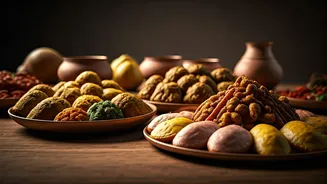
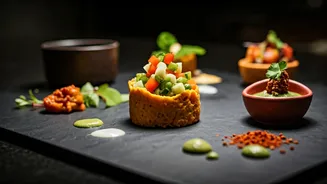
During Bhogali Bihu, the culinary activity reaches a fever pitch. Kitchens and community spaces buzz with the preparation of special festival foods. The most important are ‘pithas’—a vast category of sweet and savory rice cakes. Some are steamed in bamboo tubes (‘sunga pitha’), others are fried to a delicate crisp (‘ghila pitha’), and many are filled with sweet coconut or jaggery. These are not just snacks; they are edible symbols of prosperity and goodwill, shared with family and neighbors. Alongside pithas, you’ll find ‘laru,’ sweet balls made from sesame seeds or puffed rice, bound together with molten jaggery. The main community feasts, or ‘bhoj,’ often feature duck or chicken cooked with ash gourd, flavorful pork dishes with bamboo shoots, and of course, a variety of fish preparations sourced from the mighty Brahmaputra River that nourishes the entire region. The infamous Bhut Jolokia, or ghost pepper, makes appearances not as a gimmick, but as a nuanced flavoring agent in pickles and chutneys.
A Cuisine's Coming-Out Party
For decades, the complexity of Assamese food was known mostly to those who grew up with it. But now, a new generation of chefs, food writers, and cultural ambassadors are using events like Bihu to showcase this heritage on a wider stage. Pop-up dinners in major Indian cities and international food festivals now proudly feature ‘khar’ and ‘masor tenga.’ Social media is filled with images of the vibrant green herbs and rustic cooking techniques, demystifying a cuisine once seen as inaccessible. This festival, with its deep-rooted connection to ingredients and community, provides the perfect narrative. It’s not just about eating; it’s about understanding a way of life where food is intrinsically linked to identity, environment, and celebration. It’s a story of a culture reclaiming its place in India’s vast culinary tapestry, proving that the most exciting flavors are often found far from the beaten path.