





It Cures Decision Fatigue
The modern grocery store is a marvel of logistics, offering strawberries in January and butternut squash in June. While convenient, this endless variety can create a form of low-grade anxiety for the climate-conscious shopper. Every choice feels freighted
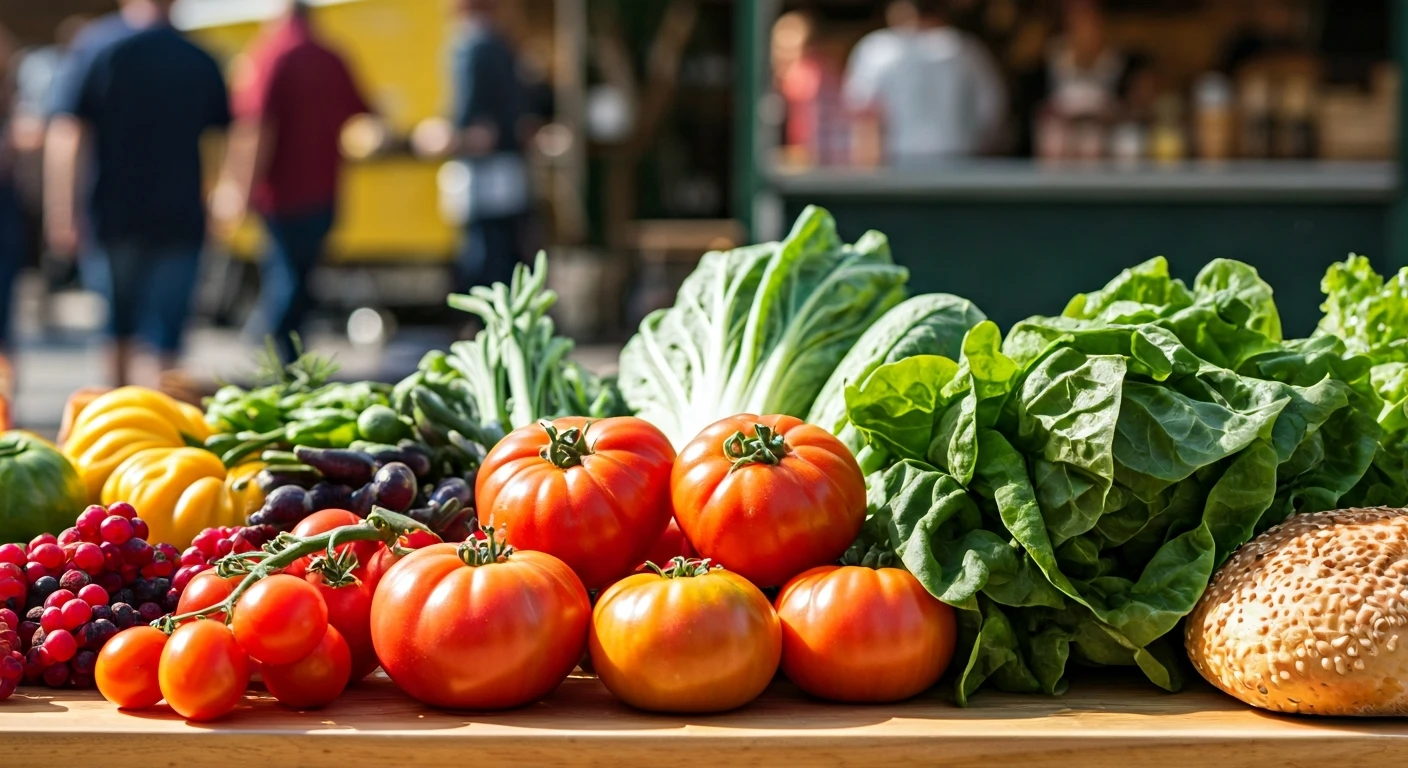
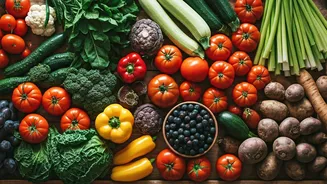
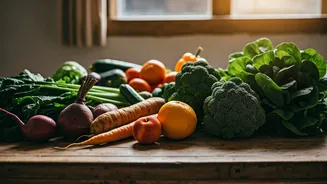
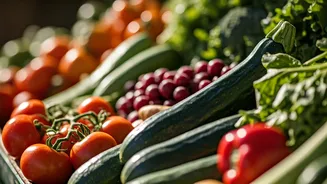
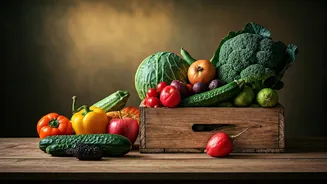
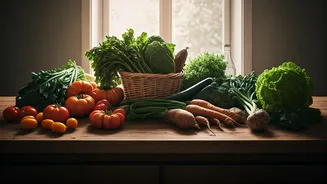
with hidden environmental costs. Is this asparagus from Peru? Did these tomatoes grow in a heated greenhouse? Eating seasonally acts as a natural filter. Instead of facing a thousand possibilities, the season offers a curated menu. In spring, your focus narrows to asparagus, peas, radishes, and leafy greens. Summer is a celebration of tomatoes, corn, and zucchini. By letting the calendar guide your choices, you automatically reduce the mental load. The best option is often the most obvious one—the produce piled high at the farmers market or marked “local” at the store. This isn't about restriction; it's about simplifying your decision-making process, making your shopping trips faster, less stressful, and more intentional.
Flavor Becomes Your Guide
The greatest selling point for seasonal eating isn’t a carbon calculation; it’s taste. A tomato picked at peak ripeness in August, still warm from the sun, is a completely different food than the hard, pale version sold in February. When produce is grown in its natural season and environment, it develops a depth of flavor and nutritional value that out-of-season alternatives simply can't match.
This creates a powerful positive feedback loop. Your climate-friendly choice is also your most delicious one. You aren't making a sacrifice; you're getting a reward. A sweet ear of summer corn needs nothing more than a little butter. A crisp fall apple is a perfect snack on its own. When food tastes this good, cooking becomes simpler and more enjoyable. You’re not just eating for the planet; you’re chasing peak flavor, and the two goals miraculously align.
The Impact Is More Intuitive
Concepts like “food miles”—the distance food travels from where it’s grown to where it’s consumed—are important but abstract. It’s hard to feel a connection to the carbon footprint of a container ship crossing the Pacific. Seasonal and local eating make the impact tangible.
When you buy from a local farm, you’re supporting a shorter, more transparent supply chain. The food hasn’t been bred for long-haul durability or artificially ripened with gas. It has likely used less energy for transportation and refrigeration. While not all local food is inherently better for the climate (a locally grown winter tomato in a heated greenhouse can be energy-intensive), focusing on what grows *naturally* in your region during that season is a strong rule of thumb. It shifts the focus from a global, complicated problem to a local, understandable solution.
It Connects You to Your Environment
Finally, eating seasonally helps you reconnect with the natural rhythms of the place you live. It marks the passing of time in a delicious, tangible way. The first spring strawberries are a cause for celebration. The last of the summer peaches signals a shift in the air. Anticipating the arrival of your favorite seasonal foods builds a sense of place and gratitude.
This connection can transform your relationship with food from a mere transaction into a meaningful practice. It encourages you to visit farmers markets, perhaps talk to the people who grow your food, and appreciate the effort and resources that go into every meal. It makes the abstract goal of “saving the planet” feel personal, grounding it in the simple, profound act of feeding yourself well.