




What Exactly Is Waterlogging?
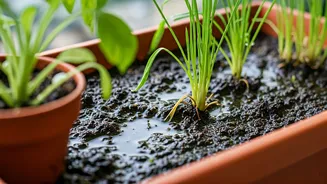
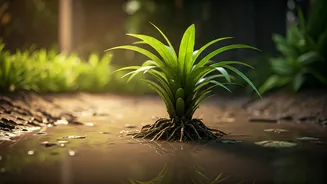
At its core, waterlogging is a simple but destructive phenomenon: it’s when soil becomes so saturated with water that there is no space left for air. Healthy soil is a porous mix of minerals, organic matter, water, and air. Plant roots don't just absorb
water; they also need to 'breathe' by taking in oxygen from these air pockets. When a period of intense or prolonged rain occurs, water fills every single one of those pockets, displacing the oxygen. This creates an anaerobic (oxygen-free) environment. For most garden plants, which are adapted to well-aerated soils, this is the equivalent of being held underwater. It’s not the water itself that’s the problem, but the complete lack of air that it causes.
The Science of Drowning Roots
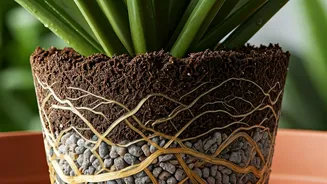
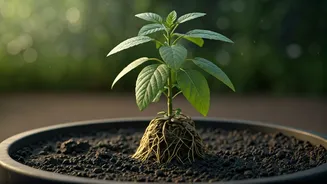
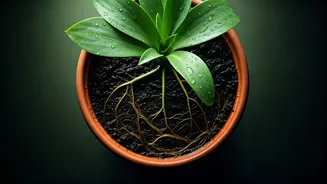
When roots are deprived of oxygen, they can’t perform cellular respiration. This essential process converts nutrients into the energy the plant needs to grow, function, and defend itself. Without energy, the roots begin to shut down and die. First, their ability to absorb water and nutrients is impaired. This creates a cruel irony: a plant sitting in a puddle can actually be dying of thirst because its damaged roots can no longer function. As the healthy root tissue dies, it becomes a perfect breeding ground for opportunistic pathogens, particularly water molds and fungi that thrive in damp, low-oxygen conditions. This secondary attack leads to root rot, a condition from which few plants can recover. The rot turns the roots from firm and white to brown, mushy, and often foul-smelling, and it can quickly spread throughout the entire root system.
Spotting the Danger Signs
Because the problem starts below the surface, the initial signs of waterlogging can be deceptive and are often mistaken for something else. One of the most common symptoms is wilting. Seeing a drooping plant surrounded by wet soil might make you think it needs even more water, but this wilting is caused by the roots failing to deliver moisture to the leaves. Another key indicator is yellowing leaves (chlorosis), especially on the lower, older parts of the plant. This happens because the stressed roots aren't absorbing essential nutrients like nitrogen. Other signs include stunted growth, leaf drop, and a general lack of vigor. In severe cases involving potted plants, you may notice a sour or swampy smell coming from the soil, a sure sign of rot setting in.
Prevention Is the Best Medicine
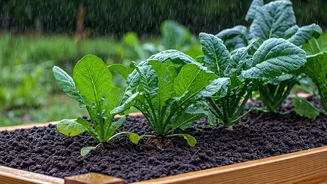
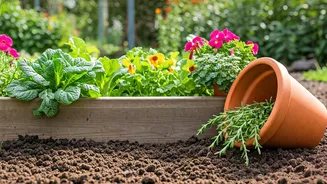
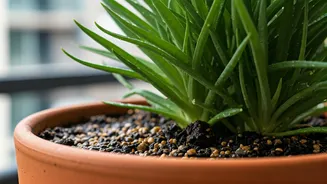
The best way to deal with waterlogging is to prevent it from happening in the first place. For potted plants, this is all about drainage. Ensure every pot has at least one, preferably multiple, drainage holes. Don’t place a saucer directly under the pot where it can sit in runoff; instead, use pot feet to elevate it, allowing air to circulate and water to escape freely. Use a high-quality, well-draining potting mix. You can improve any mix’s drainage by adding perlite or coarse sand. For garden beds, especially those with heavy clay soil, amending the soil is key. Work in generous amounts of compost, leaf mold, or other organic matter to improve soil structure and create more air pockets. In very rainy climates, consider planting in raised beds, which offer superior drainage by their very design.
Rescue Mission for a Soaked Plant
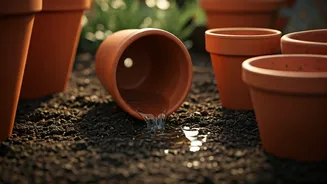
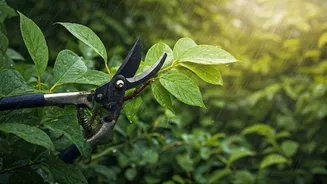
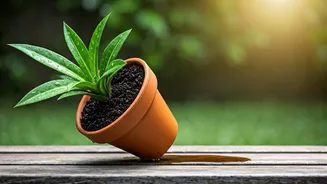
If you suspect a plant is waterlogged, act fast. First, stop watering immediately. If it's a potted plant, move it to a sheltered spot away from any more rain. Tip the pot on its side to help excess water drain away. To improve aeration, you can gently poke deep holes in the soil with a pencil or chopstick, being careful to avoid the main root ball. If the plant doesn't improve in a day or two, you may need to perform a root inspection. Gently slide the plant out of its pot. If the roots are brown and mushy, trim away all the rotted parts with clean, sharp scissors. Repot the plant in fresh, dry, well-draining soil and a clean pot. Water it very lightly and wait, giving it time to recover before resuming a normal watering schedule.