







More Than Just a Good Stretch
First, let's clear up a common misconception: restorative yoga isn't just a gentle stretching class. While you will feel looser afterward, the primary goal isn't flexibility. It's deep, conscious relaxation. Unlike active styles of yoga like Vinyasa or Ashtanga,
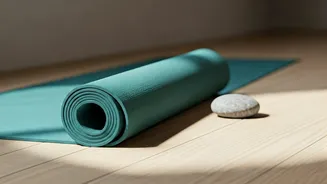
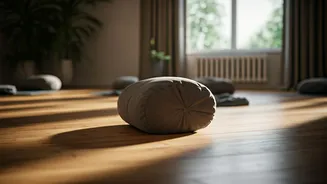
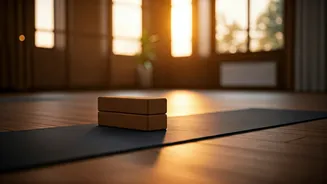
which involve flowing through sequences and building heat, restorative yoga is almost entirely passive. The practice involves holding a small number of poses for extended periods—often five to twenty minutes each. The real work is done by props. Bolsters, blankets, blocks, and straps are used to completely support your body in each position. The idea is to allow your muscles to release completely, without any effort, strain, or discomfort. By removing physical tension, you create the space for your mind and nervous system to follow.
The Active Ingredient Is Stillness
If your fitness routine is packed with HIIT sessions, long runs, or heavy lifting, your body spends a lot of time in a state of stress. This is the domain of the sympathetic nervous system, our 'fight or flight' response. It's essential for performance, flooding our bodies with adrenaline and cortisol to help us push through a tough workout. But living in that state without a proper counterbalance leads to burnout, fatigue, and even injury. Restorative yoga is the antidote. By placing the body in a fully supported, comfortable position and focusing on slow, steady breathing, you actively trigger the parasympathetic nervous system. This is the 'rest and digest' (or 'feed and breed') system responsible for slowing your heart rate, lowering blood pressure, and diverting energy back to essential functions like digestion and cellular repair. In a restorative class, the quiet stillness isn't empty time; it's the main event. You are intentionally downshifting your body's operating system from high alert to recovery mode.
How It Balances Your Workout Week
Think of your fitness regimen as a balanced diet. You need your protein (strength training), your carbs (cardio), and your micronutrients (mobility and flexibility). Restorative yoga is like a crucial, often-missing vitamin: dedicated recovery. It doesn't replace your 'hard' workouts; it makes them better. When you allow your body and mind to fully recover, you perform better in your next active session. You're less prone to the physical and mental fatigue that can derail progress. Integrating it is simple. You could swap one of your active recovery days—like a light walk or foam rolling session—for a 45-minute restorative practice at home. Or, you can attend a weekly class to serve as a mental reset button for the entire week. It’s particularly effective after a period of intense training or during times of high life stress, when your cortisol levels are likely already elevated. It’s not about being lazy; it's about being strategic. By honoring the need for rest, you create a more sustainable and effective fitness habit.
What to Expect in a Class
Walking into a restorative yoga class can feel like entering a different world. The lights are often dim, the room is quiet or filled with soft, ambient music, and you'll see a cozy-looking collection of props waiting for you. The instructor will guide you into a pose, like a supported Child's Pose with a bolster under your torso or a gentle supine twist with blankets cushioning your knees. They will help you adjust the props until you feel zero strain. Then, you simply rest. The teacher's cues will be minimal, often focused on breath awareness or noticing physical sensations without judgment. Don't be surprised if your mind wanders—that's normal. The practice isn't about emptying your mind, but about giving it a safe place to settle. It's also common to feel a little cool, as your body isn't generating heat, so dressing in warm, comfortable layers is a good idea. You’ll leave feeling not just physically relaxed, but mentally spacious and clear, a feeling that often eludes us after a grueling workout.